Administration & HR Associate
Also known as: Admin & HR Associate, HR and Admin Assistant, Office Administrator and HR Support
An HR and Administration Associate plays a crucial role in the daily operations of a company. They handle a variety of tasks that support both the human resources department and the administrative functions of the organization. This can include assisting with employee onboarding, managing HR records, scheduling meetings, organizing company events, and ensuring that office operations are efficient and well-maintained. Essentially, they are the backbone that helps keep the workplace running like a well-oiled machine, ensuring that employees have the support and resources they need to succeed.
10
Skills to Learn
5
Career Levels
10
Top Companies
2
Education Paths
Sneak Peek
Are you someone who enjoys keeping things organized and making sure a team runs smoothly? Imagine being the go-to person who helps build a company
What does an Administration & HR Associate do?
An HR and Administration Associate plays a crucial role in the daily operations of a company. They handle a variety of tasks that support both the human resources department and the administrative functions of the organization. This can include assisting with employee onboarding, managing HR records, scheduling meetings, organizing company events, and ensuring that office operations are efficient and well-maintained.
- Salary in India
- ₹3.5 to ₹10 lakh a year
- Demand
- Growing
- Remote work
- Hybrid
- Industry
- Human Resources
Is This Career For You?
Discover if your personality matches this career
Your Personality Fit (RIASEC)
You enjoy structure, organization, and attention to detail, which are crucial for managing records and ensuring smooth administrative processes.
You have a knack for helping people and enjoy fostering positive relationships, which is key to supporting employees and managers.
You are comfortable taking initiative and guiding tasks, which can be helpful when coordinating projects or implementing new procedures.
While not the primary focus, some practical, hands-on tasks might be involved in managing office operations.
The role may involve some research or data analysis, but it's not the main driver.
This role doesn't typically involve creative expression or artistic endeavors.
You'll Love This Career If...
Like what you see? Get full access.
Save this career, compare with others, and get your personalized career plan.
50,000+ students already signed up
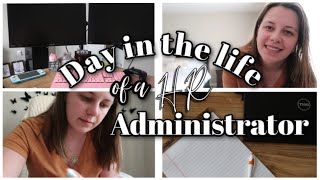
A Day in the Life
What your typical workday looks like
Your day starts with checking emails and responding to urgent requests, perhaps helping a new employee with their paperwork or scheduling a last-minute meeting for the management team. You might spend time organizing files, both digital and physical, ensuring all employee records are up-to-date and confidential. Later, you could be coordinating logistics for an upcoming company event or assisting with payroll processing. The afternoon might involve troubleshooting an office equipment issue or liaising with vendors to order supplies. Your day is a mix of supporting your HR colleagues and ensuring the office environment is productive and welcoming for everyone.
Myth vs Reality
Tap to reveal the truth behind common misconceptions
Skills You'll Need
Master these to excel in this career
Technical Skills
1Data Analysis
Analyzing HR metrics and employee data to make informed decisions.
Soft Skills
4Communication
Effectively conveying information to employees and management.
Conflict Resolution
Mediating disputes between employees or between employees and management.
Time Management
Efficiently managing tasks and deadlines.
Problem-Solving
Identifying and resolving HR-related issues.
Domain Skills
5HR Management
Overseeing employee relations and recruitment processes.
Policy Development
Creating and updating company policies related to HR.
Compliance
Ensuring company policies adhere to labor laws and regulations.
Employee Engagement
Designing programs to increase employee satisfaction and retention.
Training and Development
Organizing and conducting employee training programs.
Tools of the Trade
Software and tools you'll work with daily
Software
HRIS (Human Resources Information System)
Software to manage employee data, payroll, and benefits.
Applicant Tracking System (ATS)
A system to manage job postings and track candidates through the hiring process.
Microsoft Office Suite (Word, Excel, PowerPoint)
Essential for creating documents, spreadsheets, presentations, and managing data.
Email Clients (e.g., Outlook, Gmail)
For communication, scheduling, and organizing tasks.
Project Management Tools (e.g., Asana, Trello)
To help organize and track tasks, projects, and deadlines.
Platform
Company Intranet/Internal Communication Platform
A central hub for company information, announcements, and employee resources.
Want to build these skills?
Get a personalized learning roadmap and save careers that match your profile.
50,000+ students already signed up
Your Learning Path
Step-by-step guide to getting started
Understand the Basics of Business and HR
Start by learning what businesses do and the fundamental role of Human Resources. This includes understanding concepts like employee relations, recruitment, and workplace policies. Think of it as learning the 'rules of the game' for how companies operate and take care of their people.
Develop Organizational and Communication Skills
Focus on getting really good at organizing information, managing your time, and communicating clearly. Practice using tools like calendars and to-do lists. Learn to write professional emails and speak confidently. These are the skills that help keep everything running smoothly and people informed.
Learn HR Software and Administrative Tools
Get familiar with common software used in HR and administration, such as HR Information Systems (HRIS) for managing employee records and standard office software like Microsoft Excel for data and Word for documents. It's like learning to use the essential tools in a workshop.
Gain Practical Experience through Internships or Entry-Level Roles
Seek out opportunities like internships or volunteer work in an office setting, or apply for entry-level administrative or HR assistant positions. This hands-on experience is invaluable for applying what you've learned and understanding the day-to-day realities of the job.
Career Progression
How your career will grow over time
HR Assistant
EntryAn entry-level role responsible for managing administrative tasks and providing support across various HR functions.
- Handling administrative tasks
- Maintaining employee records
- Assisting with recruitment and payroll processes
HR Coordinator
Mid-LevelA role that involves coordinating HR activities and supporting HR initiatives.
- Coordinating recruitment efforts
- Managing employee onboarding processes
- Assisting with employee relations issues
HR Generalist
Mid-LevelA role that encompasses a broad range of HR functions and disciplines.
- Onboarding new employees
- Managing employee relations
- Supporting learning and development initiatives
HR Manager
SeniorA senior role responsible for overseeing HR functions and leading HR initiatives.
- Developing HR strategies
- Managing HR team
- Ensuring compliance with employment laws
HR Director
LeadershipA leadership role responsible for setting HR strategy and driving organizational development.
- Aligning HR strategy with business goals
- Leading HR team
- Overseeing HR operations across the organization
Education Paths
Bachelor's Degree
B.Tech
Human Resource Management
Master's Degree
M.Sc
Human Resource Management
Top Hiring Companies
Salary & Future Growth
What you can earn and where the industry is headed
Salary Progression (INR)
Future Career OutlookCurrent Market: Growing
The demand for skilled human resources professionals is competitive, with unemployment rates for many positions, including HR assistants, well below the national average. Industries like education, financial services, insurance, and healthcare are leading the demand, signaling a need for strategic HR capabilities to drive workforce transformation.
The future of work will likely see a continued emphasis on specialized HR skills. As technology like AI evolves, HR professionals will need to adapt, focusing on areas like talent acquisition, employee experience, and data analytics. The role of HR is expected to become more strategic, moving from administrative tasks to driving business value through people.
As automation and AI continue to advance, the HR landscape will evolve. While some administrative tasks may be automated, the need for human oversight, strategic planning, and empathetic employee support will remain critical. Roles may shift towards more specialized areas, requiring continuous learning and adaptation to new technologies and evolving workforce needs. The ability to manage human capital effectively will continue to be a key driver of business success.
Not sure if Administration & HR Associate is right for you?
Talk to a Stride counsellor for personalised guidance on whether this career fits your interests, strengths, and goals.
Watch & Learn
Curated videos to help you explore





Helpful Resources
Articles and guides for deeper learning
Frequently Asked Questions
Quick answers to common questions
QWhat are the primary responsibilities of an Administration & HR Associate?
An Administration & HR Associate typically supports both administrative functions and human resources tasks. This can include managing employee records, assisting with recruitment processes, coordinating onboarding, handling payroll inquiries, scheduling meetings, preparing reports, and managing office supplies.
QWhat skills are most important for an Administration & HR Associate?
Key skills include strong organizational abilities, attention to detail, excellent communication (both written and verbal), proficiency in office software, problem-solving skills, and a good understanding of HR principles and practices. Adaptability and a willingness to learn are also crucial.
QWhat is the typical career path for an Administration & HR Associate?
Starting as an Associate, one can progress to roles like HR Coordinator, HR Generalist, or specialize in areas like Recruitment, Compensation & Benefits, or HR Management. Administrative skills can also lead to Office Manager or Operations roles.
Explore All 1,500+ Careers
Browse our full career explorer or take an assessment to get personalised recommendations.