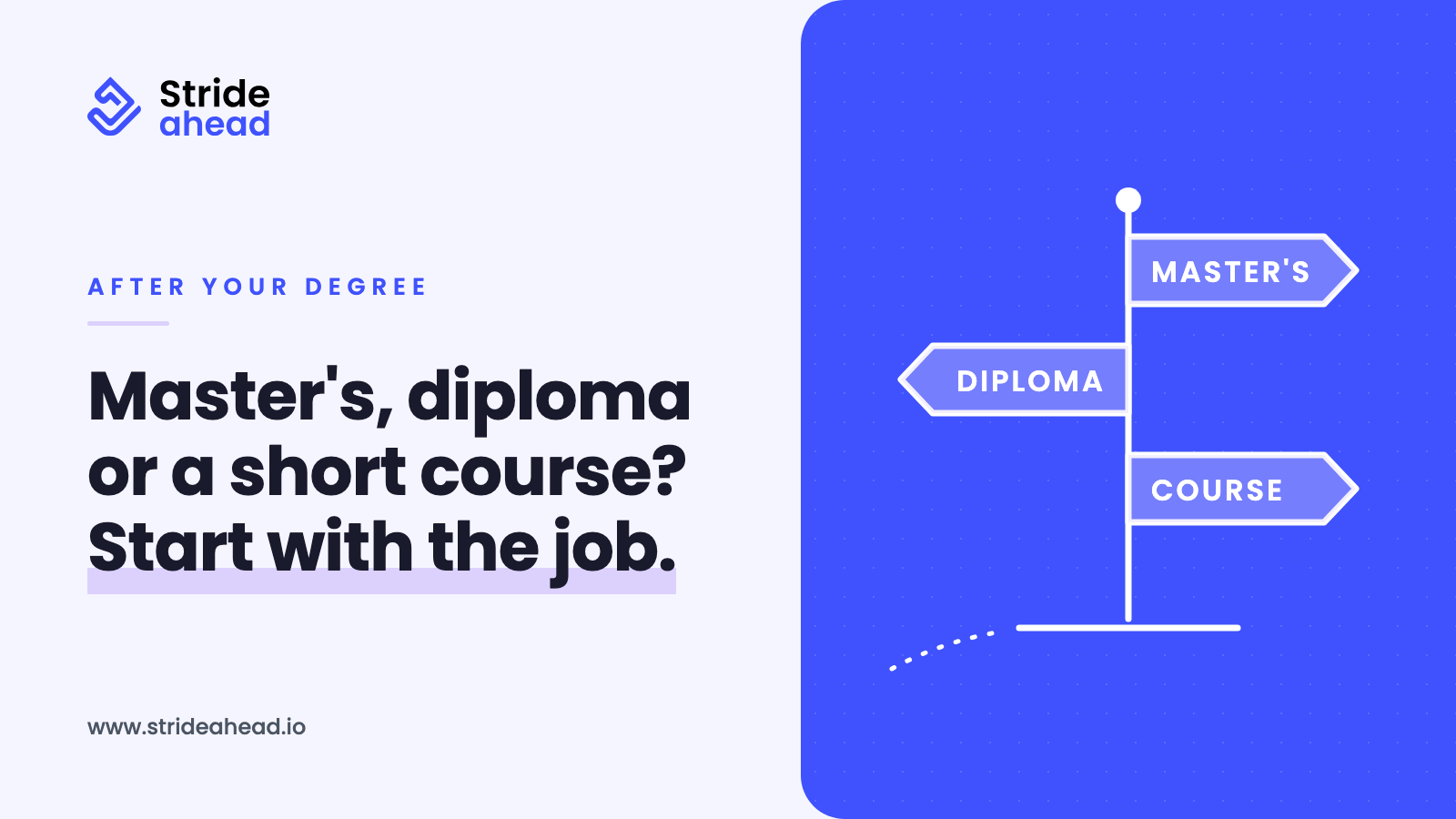
Confused after your degree? Should you do a master's, a diploma or a short course?
Pick the job first, then the smallest route that closes the gap. A master's pays off for some careers and is a costly way to buy time for others.
Insights on career guidance, assessments, student success, and the future of education.

Pick the job first, then the smallest route that closes the gap. A master's pays off for some careers and is a costly way to buy time for others.

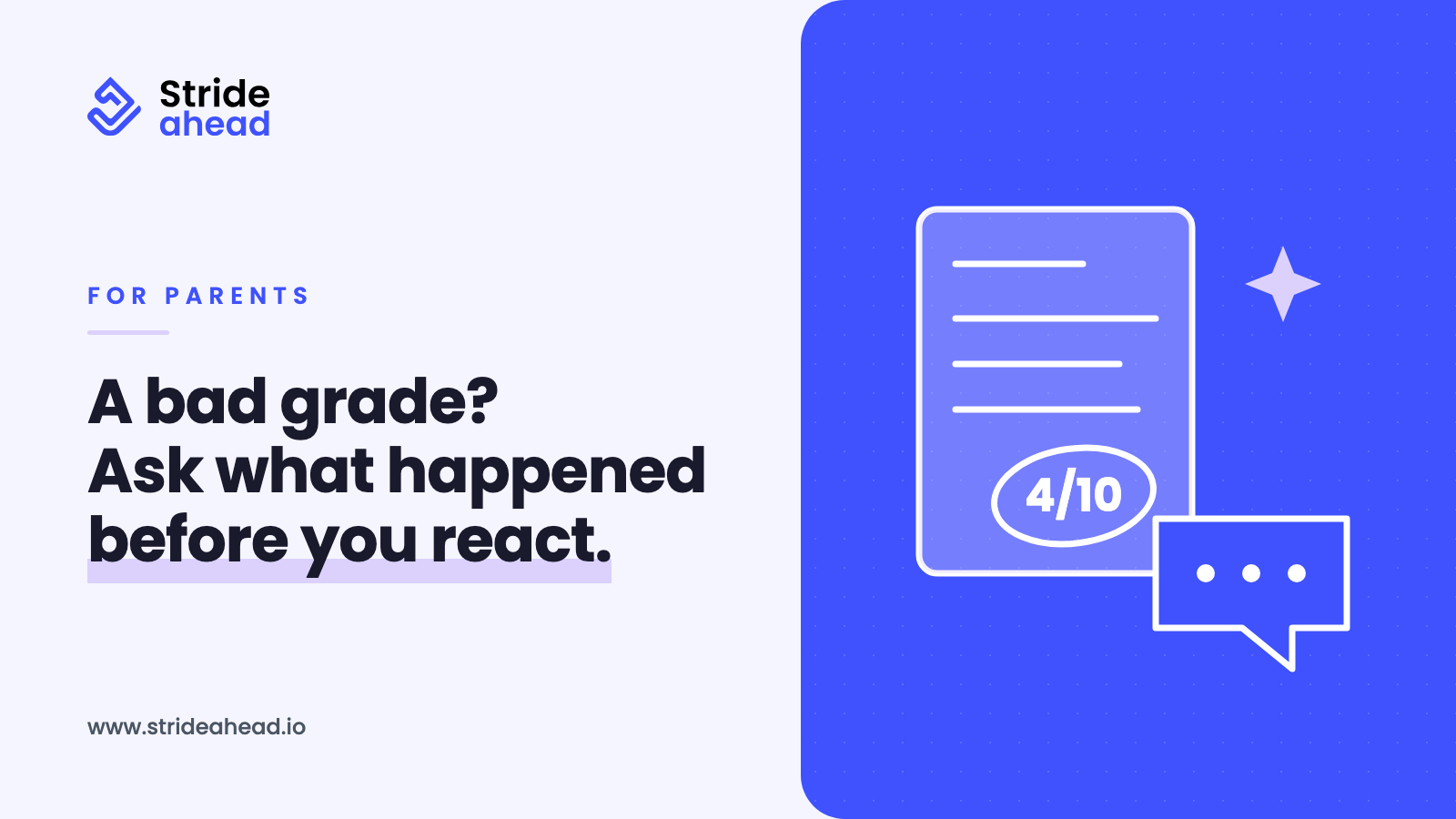
Start with a question, not a verdict. Look at the marked work together and treat the grade as information about one task, not about your child.

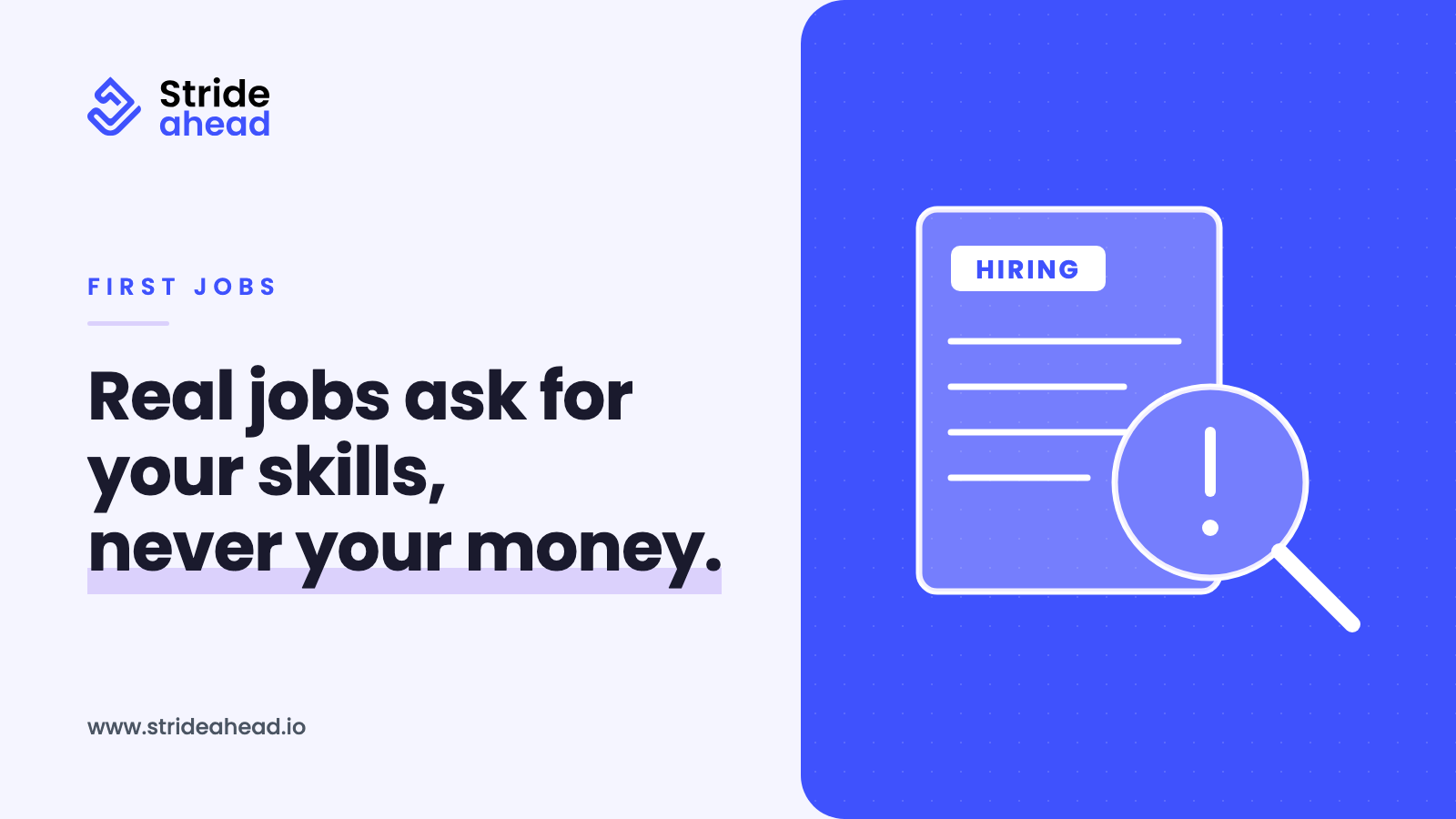
A real employer pays you and never asks you to pay. Watch too for high pay with no experience, no interview and recruiters on chat apps.

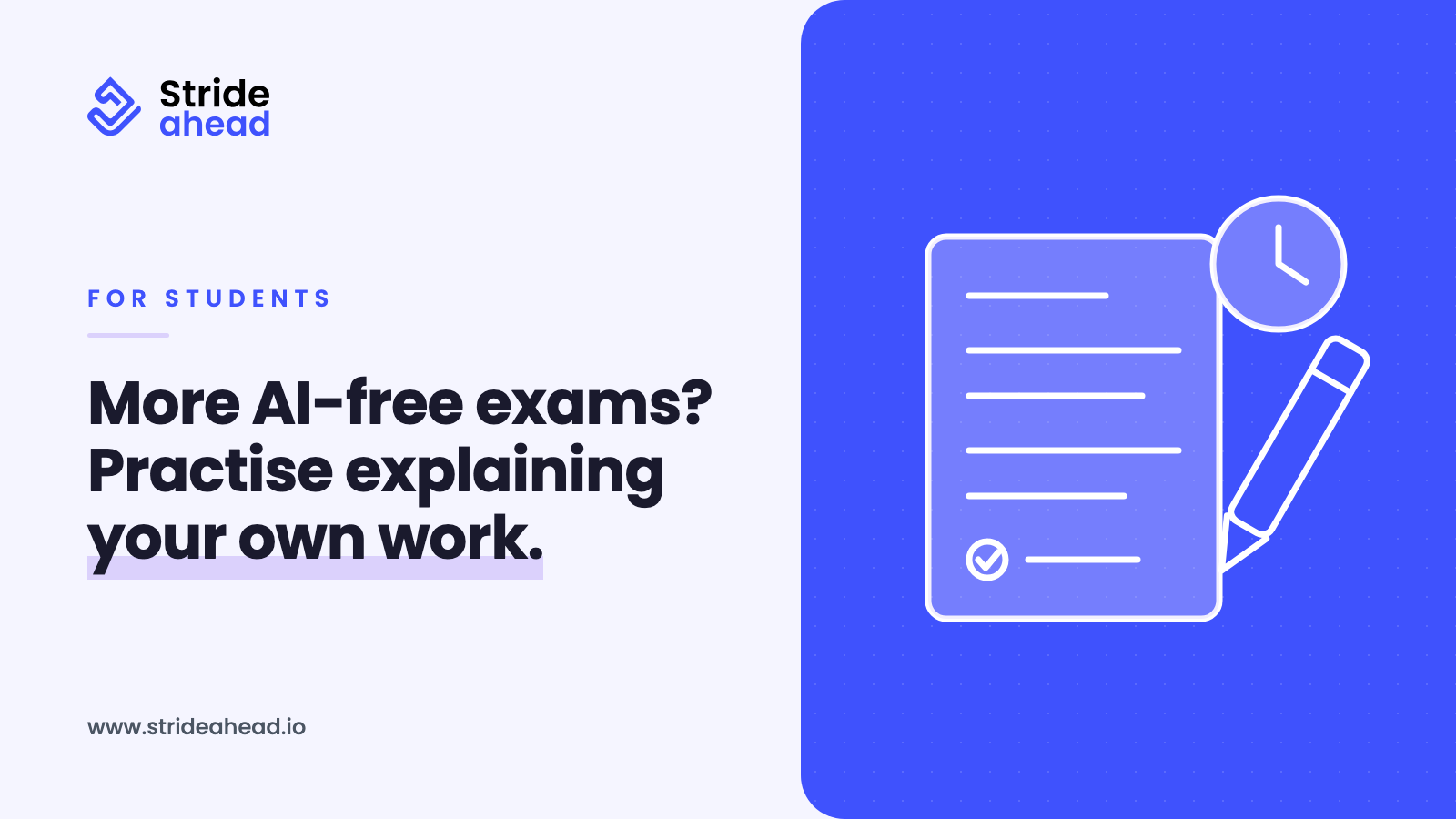
Some are. Expect more in-person exams, vivas and presentations, and prepare by practising recall and explaining your own work out loud.

Not choosing a career for them. Research points to widening what they see, feeding what holds their attention, and letting them steer.

No major country has closed its doors, but the UK, Canada and Australia have all tightened at once. Choose by course and career fit, and keep a plan B.

Yes, if you like the problems and not just the salary. Fewer students are choosing it, which may help the ones who do. Choose by fit, not fear.

Many admitted students never finish their degree. Self-control, sleep, reading, belonging and real skills matter more than one result, whatever your path.

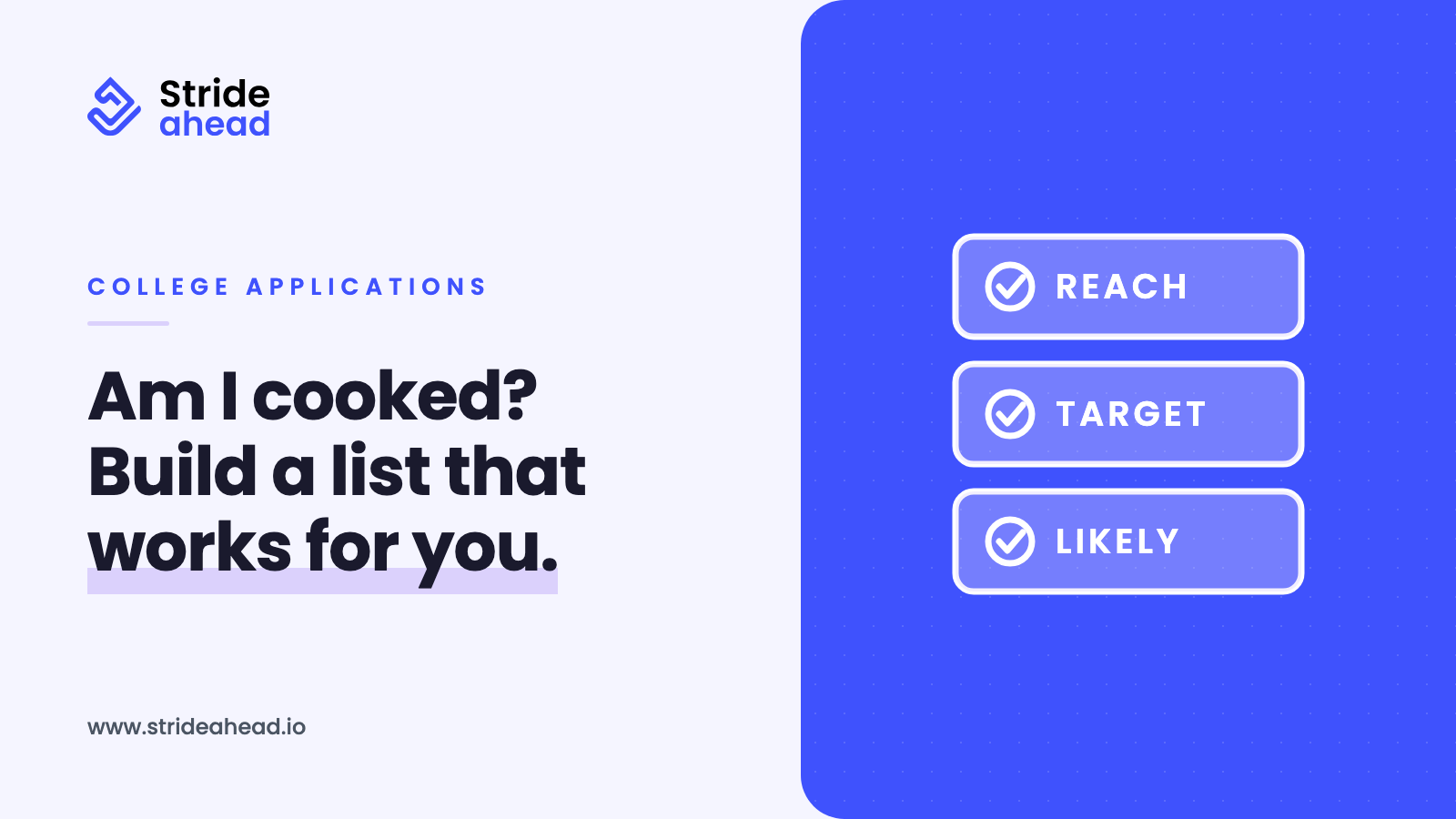
Probably not. Build a list of reach, target and likely schools you'd be happy to attend, based on fit, not on a stranger's chance-me verdict.

Look for feedback, access to real decisions and a chance to check work independently. Fast output alone doesn't make a good first job.

Check what the test measures, ask how its suggestions were produced and compare them with real tasks. A result is a question to investigate.

Ask what they want to stop and why. Separate ordinary beginner frustration from a poor fit, an overloaded week or an unsafe setting.

Start with transparent, age-appropriate safety boundaries and regular conversation. Monitoring settings alone cannot explain a teenager's online life.

Check what you can explain and solve after the tool is closed. A finished assignment and a learned skill are different things.

Treat the invitation as a starting point for questions. Check who runs the programme, what students do, total costs and any admissions claims.

Compare the required modules, assessments, practical work and routes after graduation. A shared degree title can hide very different experiences.

Make your contribution visible early, agree how decisions will be made and use a calm sentence to reclaim a turn. You don't need a new personality.

It describes a particular group at a particular time. Check who is included, when earnings were measured and which careers graduates entered.

Yes, when you can explain what you learned and did. Judge a job or placement by its tasks, feedback and responsibilities, not its label.

Meet Shireen Kalra, reported to be 13, whose question on a family train journey led to CoSeat, an idea to help passengers coordinate seat swaps.

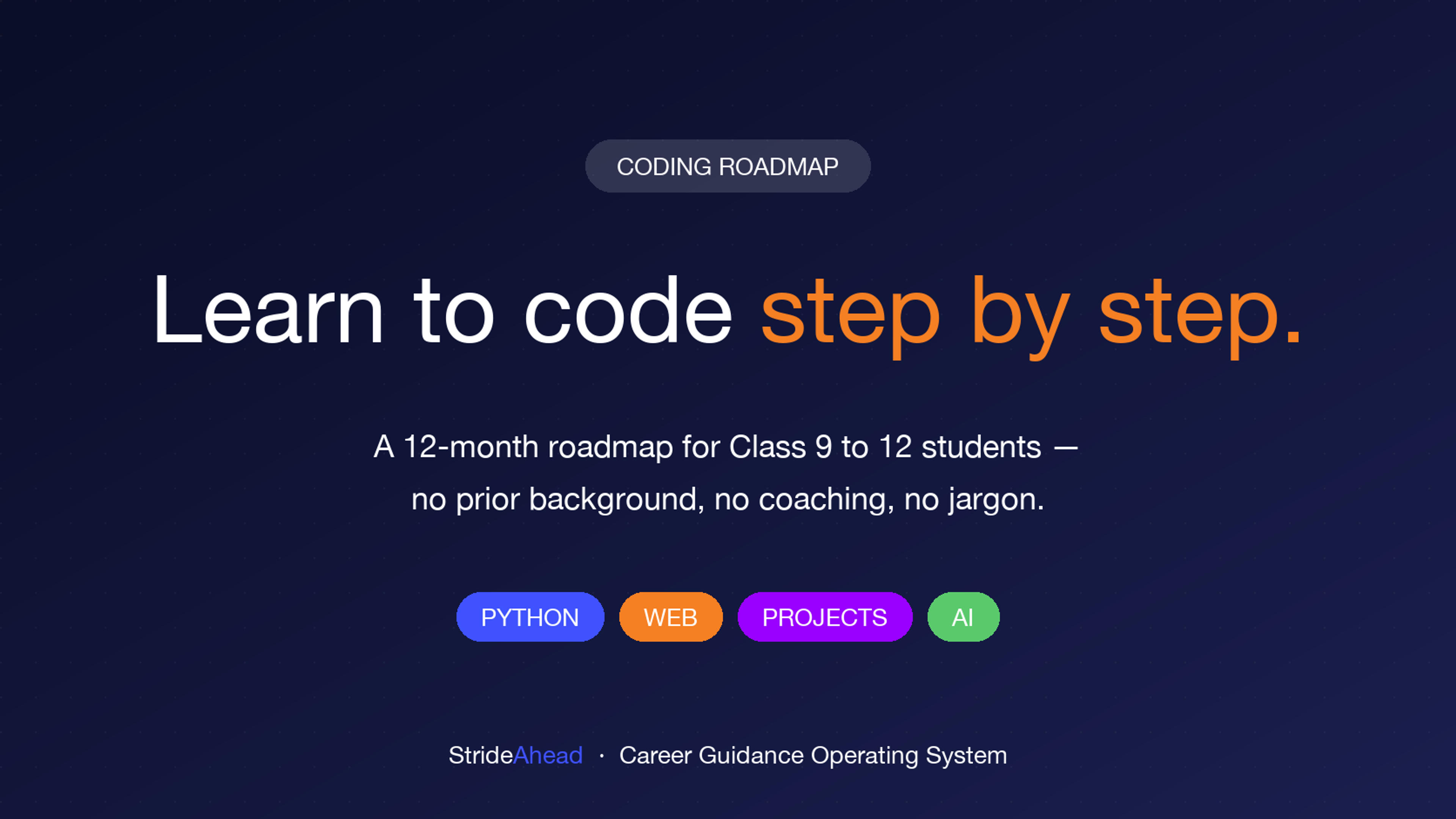
A free 12-month coding roadmap for Class 9 to 12 students with zero prior background. Python first, real problem-solving, public projects, and a direction (web / data-AI / games / mobile), without paying ₹40,000 for a “coding academy.”

A practical 90-day plan to improve English, communication, and writing for Class 9 to 12 students from any board, any town, any first language. Reading aloud, active listening, weekly recording, and the mistakes that quietly slow students down.

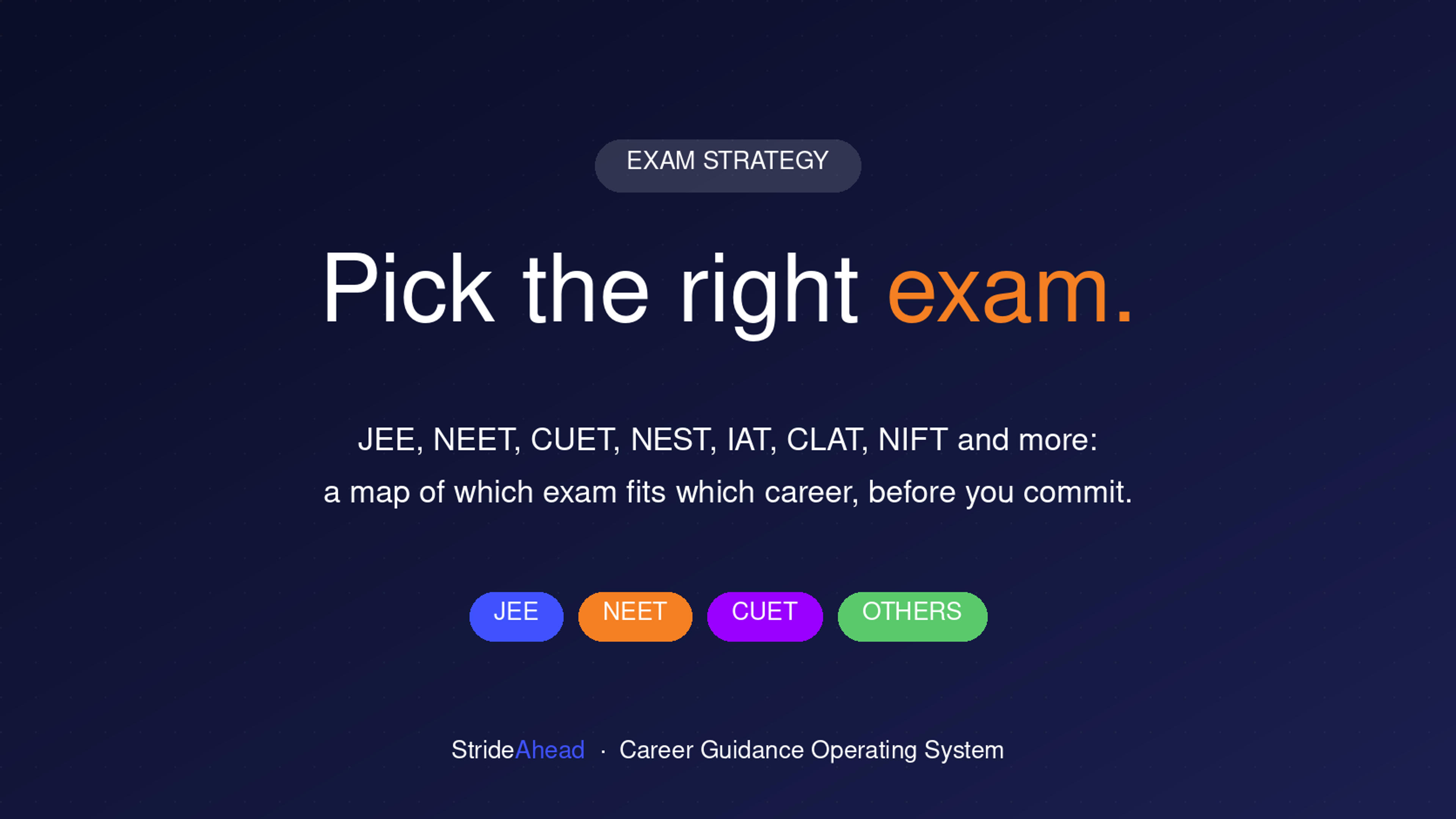
A calm, honest map of the entrance exams students in India face after Class 10 and Class 12. JEE, NEET, CUET, NEST, IAT, CLAT, IPMAT, NIFT, NID, and more. Pick the exam that fits your career, not the career that fits the exam everyone in your batch is preparing for.

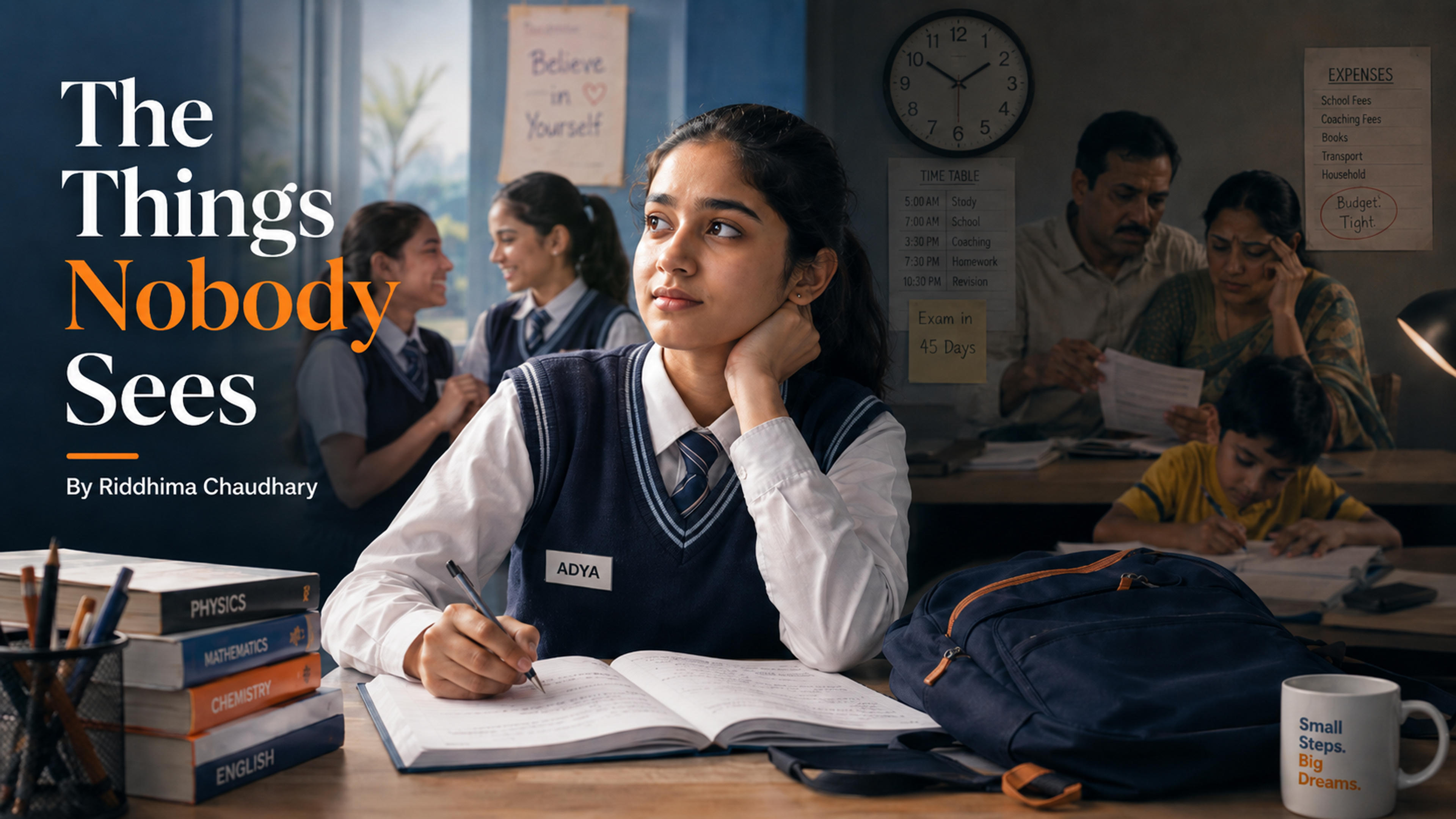
A story about the silent pressure many students carry. Exam stress, family worries, self-doubt, and the small, honest steps that help them keep going. Written by Stride Ahead Student Ambassador Riddhima Chaudhary.

The four pillars of a strong college profile, a year-by-year roadmap for Class 9 to 12, and the difference between collecting certificates and building a story admissions readers can verify.

How school students actually land real opportunities. Internships, scholarships, fellowships, recognition. Five habits, the platforms worth bookmarking, and the mistakes that keep most students invisible.

The 12 AI tools school students actually need in 2026, across research, writing, maths, science, coding, and presentations. Plus the lazy uses that hurt long-term learning and how to avoid them.

Score well without burning out. The honest study methods that actually work for Class 9 to 12 students. Active recall, spaced revision, mistake logs, and the routines that quietly break most students.

A clear, no-pressure guide for students standing at the Class 10 or Class 12 crossroads. Four lenses, a step-by-step decision process, the mistakes to avoid, and a checklist to use before you decide.

In many households money is taboo. That mindset leaves children unprepared for adulthood. Here is how parents can use everyday errands, allowances, and small ventures to raise money-smart kids.

59% of workers will need retraining by 2030. 96% of employers value microcredentials and 90% would offer higher starting salaries to candidates who have them. Here is how students and professionals can build a microcredential-first portfolio.

AI is everywhere, chatbots, adaptive platforms, recommendation engines. UNESCO's 2021 ethics recommendation urges schools to teach AI literacy alongside critical thinking. Here is how parents and teachers can guide students through it responsibly.

India's gig workforce hits 90 million by 2030. The global freelance economy is worth USD 455-646 billion. Here is how Class 11-12 students should prepare for a career model where projects, not jobs, define income.

By 2030, 39 percent of job-required skills will change. Here is what Class 11-12 students should build now, combining AI fluency, data literacy, and human qualities like adaptability, empathy, and ethical judgment.

Sharing exam results in family WhatsApp groups feels like celebration but functions like a leaderboard. Research links it to higher stress and self-worth tied to a percentage. Here is how to celebrate without comparison.

A Stride Ahead series profiling Indian teenagers who built real things before 18. What their path looks like, what's replicable, and what parents can learn from it.

An open letter to every Indian student who feels lost, compared, or behind. You are allowed to be 16 and not have it figured out.

Real prep strategies for JEE, NEET, CUET and CLAT aspirants. 8 study habits that actually work, with concrete timelines, hours, and a revision cycle.

An honest look at when career mentorship helps Class 10-12 students, when it doesn't, and what to ask before paying for any counselling session.

Stop re-reading NCERTs. 7 research-backed study techniques (active recall, spaced repetition, Feynman) rewired for Class 11-12 board and JEE/NEET prep.

The skills Class 11-12 students actually need in the AI era, what to build alongside 12th board prep, and what to skip. A practical 2026 guide.

A practical LinkedIn guide for Class 10-12 Indian students: 7 concrete moves to build a profile admissions officers and recruiters actually take seriously, with age-consent caveats and what to avoid.

Behind every successful career decision is a story of self-discovery, mentorship, and action. Read how real students found their path with Stride Ahead.

Psychometric assessments go beyond aptitude tests. Discover how modern instruments measure personality, interests, and values to guide career decisions scientifically.
In their own words


AWS Activate

AICTE NEAT

UINCEPT Accelerator

Microsoft for Founders

IIM Kozhikode Accelerator

NVIDIA Inception Program
Featured In

NewsJournals

Startup City

EdTech Review

Entrepreneur India

Economic Times

YourStory

TechCircle
Take a free assessment in your Stride Ahead dashboard, or talk to a career expert about what you just read.
50,000+ students already on Stride Ahead