Adventure Sportsperson
Also known as: Extreme Athlete, Outdoor Professional, Expedition Leader
An adventure sportsperson is a professional athlete or guide who excels in physically demanding and often extreme sports. This can include activities like rock climbing, mountaineering, whitewater rafting, skydiving, surfing, snowboarding, and more. They typically train rigorously to maintain peak physical condition, possess expert technical skills in their chosen discipline, and often have a deep understanding of safety protocols and environmental awareness. Adventure sportspersons may compete professionally, lead expeditions, work as instructors, or create content showcasing their adventures.
8
Skills to Learn
4
Career Levels
5
Top Companies
3
Education Paths
Sneak Peek
Do you dream of a life filled with adrenaline, breathtaking views, and pushing your limits? Imagine getting paid to explore the world's most thrilling landscapes, from scaling towering peaks to navigating powerful rivers. What if your passion for adventure could become your career?
What does an Adventure Sportsperson do?
An adventure sportsperson is a professional athlete or guide who excels in physically demanding and often extreme sports. This can include activities like rock climbing, mountaineering, whitewater rafting, skydiving, surfing, snowboarding, and more. They typically train rigorously to maintain peak physical condition, possess expert technical skills in their chosen discipline, and often have a deep understanding of safety protocols and environmental awareness.
- Salary in India
- ₹3 to ₹12 lakh a year
- Demand
- Growing
- Remote work
- Location-Bound
- Industry
- Adventure Sports
Is This Career For You?
Discover if your personality matches this career
Your Personality Fit (RIASEC)
Enjoys hands-on activities, working with tools and equipment, and being outdoors.
Motivated by challenges, leadership opportunities, and achieving ambitious goals.
Likes to analyze, observe, and problem-solve, especially in dynamic environments.
Appreciates creativity and self-expression, often through unique experiences.
Enjoys teamwork and helping others achieve their best in a supportive setting.
Prefers structured environments and predictable tasks, which are less common in this role.
You'll Love This Career If...
Like what you see? Get full access.
Save this career, compare with others, and get your personalized career plan.
50,000+ students already signed up
A Day in the Life
What your typical workday looks like
Your day might start before dawn, checking weather conditions and prepping your gear for a challenging climb or a long day of whitewater kayaking. You could spend hours navigating difficult terrain, ensuring the safety of your clients if you're a guide, or pushing your own performance limits if you're competing. Evenings might involve planning the next day's route, reviewing footage from your adventures, or engaging with sponsors and your online community. It's a lifestyle that demands constant physical and mental engagement with the elements.
Myth vs Reality
Tap to reveal the truth behind common misconceptions
Skills You'll Need
Master these to excel in this career
Technical Skills
4Physical Fitness
Excellent physical condition and endurance.
Risk Assessment
Ability to evaluate and mitigate risks in adventure activities.
Emergency Response
Proficiency in first aid and emergency procedures.
Navigation Skills
Ability to use maps, compasses, and GPS devices.
Soft Skills
3Team Coordination
Skill in working effectively with others in high-pressure situations.
Problem-Solving
Quick thinking and adaptability in challenging environments.
Communication Skills
Clear and effective communication with team members and clients.
Domain Skills
1Adventure Sports Knowledge
Deep understanding of various adventure sports and techniques.
Tools of the Trade
Software and tools you'll work with daily
Hardware
Bicycle (various types)
Used for disciplines like road cycling, mountain biking, cyclo-cross, and gravel riding, enabling speed and exploration over different terrains.
Helmet (various types)
Essential safety gear providing head protection during high-impact activities like cycling, BMX, and mountain biking.
Protective Gear (Gloves, Knee Pads, Elbow Pads)
Provides protection against abrasions and impacts during physically demanding activities like mountain biking and BMX.
Multi-tool and Puncture Kit
Essential for on-the-spot repairs and maintenance, particularly for cycling disciplines involving rough terrain or long distances.
Software
GPS Device or Map App
Used for navigation, especially in remote or off-road environments like gravel riding and cycle touring, ensuring you stay on course.
Want to build these skills?
Get a personalized learning roadmap and save careers that match your profile.
50,000+ students already signed up
Your Learning Path
Step-by-step guide to getting started
Build a Strong Foundation
Start by developing general physical fitness through regular exercise like running, swimming, or basic strength training. Get comfortable with fundamental movements and build your stamina.
Choose Your Adventure
Explore different beginner-friendly adventure sports like trail running, casual cycling, or hiking. Try introductory classes or guided tours to get a feel for the activities and discover what excites you most.
Master the Basics
Once you've identified a sport, focus on learning the core techniques. This might involve taking lessons for specific skills, practicing consistently, and understanding the essential safety protocols and equipment for your chosen activity.
Progress and Specialize
Gradually increase the intensity and duration of your training. Seek out more challenging routes or environments, and consider specializing further within your chosen sport, perhaps joining clubs or participating in amateur events.
Career Progression
How your career will grow over time
Adventure Sports Enthusiast
EntryAn individual who engages in adventure sports as a hobby or for personal enjoyment.
- Participate in various adventure sports activities
- Develop basic skills and techniques
- Explore different adventure sports locations
Adventure Sports Instructor
Mid-LevelA professional who teaches adventure sports techniques and safety protocols to others.
- Conduct training sessions and workshops
- Ensure participant safety during activities
- Provide guidance and feedback to participants
Professional Adventure Sports Athlete
SeniorAn individual who competes in adventure sports events and represents brands or sponsors.
- Train rigorously to improve performance
- Participate in competitions and events
- Promote adventure sports through media and sponsorships
Adventure Sports Manager
LeadershipA professional who oversees the operations of adventure sports facilities or events.
- Manage staff and resources
- Plan and organize adventure sports events
- Ensure compliance with safety regulations and standards
Education Paths
Upper Secondary
Post-Secondary Certificate/Diploma
Bachelor's Degree
Top Hiring Companies
Salary & Future Growth
What you can earn and where the industry is headed
Salary Progression (INR)
Future Career OutlookCurrent Market: Growing
The current job market for adventure sportspeople is dynamic, with opportunities for skilled individuals in various fields like guiding, instruction, event organization, and content creation. Demand is influenced by tourism trends, interest in outdoor activities, and the growth of the adventure sports industry. While some roles might be seasonal or project-based, there's a consistent need for qualified professionals.
In the medium to long term, the outlook for adventure sportspersons is positive. Growing global interest in experiential travel, wellness tourism, and outdoor recreation is expected to drive demand. Technological advancements may also create new avenues, such as virtual reality training or enhanced safety equipment, requiring specialized skills. Sustainability in tourism will also play a role, favoring those who can offer eco-friendly adventure experiences.
Looking very long term, the role of an adventure sportsperson will likely continue to evolve. As climate change impacts natural environments, there may be shifts in the types of activities available and the locations. However, the human desire for adventure and connection with nature is enduring. Professionals who can adapt to environmental changes, embrace new technologies, and innovate in their offerings will likely remain in demand.
Not sure if Adventure Sportsperson is right for you?
Talk to a Stride counsellor for personalised guidance on whether this career fits your interests, strengths, and goals.
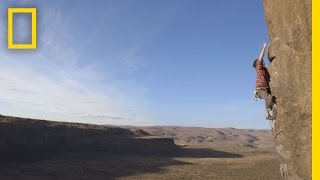
Watch & Learn
Curated videos to help you explore


Helpful Resources
Articles and guides for deeper learning
Frequently Asked Questions
Quick answers to common questions
QWhat kind of education is required for an adventure sportsperson?
Formal education isn't always mandatory, but certifications in specific sports (e.g., first aid, rescue, coaching), diplomas in adventure tourism, or degrees in sports science can be very beneficial.
QWhat are the biggest challenges faced by adventure sportspersons?
Challenges include unpredictable weather, the risk of injuries, seasonality of work, intense competition, and the need for continuous skill development and physical fitness.
QCan an adventure sportsperson work internationally?
Yes, many adventure sportspersons find opportunities globally, especially in popular tourist destinations known for outdoor activities. Understanding local regulations and having relevant certifications is key.
QHow important is physical fitness for an adventure sportsperson?
Physical fitness is extremely important. Depending on the sport, it requires high levels of strength, endurance, agility, and resilience to perform safely and effectively.
Explore All 1,500+ Careers
Browse our full career explorer or take an assessment to get personalised recommendations.