Animal Health Worker
Also known as: Veterinary Assistant, Animal Caretaker, Livestock Technician, Animal Health Technician
An animal health worker is a dedicated professional who plays a crucial role in maintaining and improving the health and well-being of animals. This involves a variety of tasks, from assisting veterinarians with medical procedures and providing care to sick or injured animals, to educating pet owners and livestock producers on proper animal husbandry, nutrition, and disease prevention. They are essential in ensuring the safety of our food supply and promoting the human-animal bond.
10
Skills to Learn
4
Career Levels
6
Top Companies
3
Education Paths
Sneak Peek
Do you love animals and have a knack for helping them feel better? Imagine a career where you can make a real difference in the lives of pets, farm animals, and even wildlife!
What does an Animal Health Worker do?
An animal health worker is a dedicated professional who plays a crucial role in maintaining and improving the health and well-being of animals. This involves a variety of tasks, from assisting veterinarians with medical procedures and providing care to sick or injured animals, to educating pet owners and livestock producers on proper animal husbandry, nutrition, and disease prevention.
- Salary in India
- ₹3 to ₹6 lakh a year
- Demand
- Growing
- Remote work
- Location-Bound
- Industry
- Veterinary Science
Is This Career For You?
Discover if your personality matches this career
Your Personality Fit (RIASEC)
You enjoy working with animals and their environments, and you're not afraid to get your hands dirty.
You enjoy helping others, including pet owners, and collaborating with a team to care for animals.
You are curious about animal diseases, how they spread, and how to prevent them.
You appreciate structured procedures and detailed record-keeping, which are important in animal health management.
You might be interested in leading initiatives or projects related to animal health.
While not the primary focus, creativity can be helpful in finding unique solutions to animal welfare problems.
You'll Love This Career If...
Like what you see? Get full access.
Save this career, compare with others, and get your personalized career plan.
50,000+ students already signed up
A Day in the Life
What your typical workday looks like
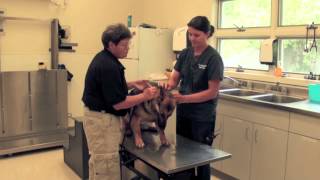
Your day might start early, checking on animals in a clinic or on a farm, ensuring they have food, water, and a clean environment. You could be assisting a vet during an examination, administering medications, or performing diagnostic tests. Later, you might be educating a worried pet owner about their dog's recovery or working with a farmer to implement a vaccination schedule for their herd. The work is often busy and varied, with each day bringing new challenges and opportunities to help animals.
Myth vs Reality
Tap to reveal the truth behind common misconceptions
Skills You'll Need
Master these to excel in this career
Technical Skills
3Diagnostic Skills
Ability to diagnose animal illnesses.
Medication Administration
Skill in administering medications to animals.
Animal Handling
Ability to safely handle and restrain animals.
Soft Skills
6Communication Skills
Ability to communicate effectively with pet owners.
Problem-Solving Skills
Ability to think critically and solve problems.
Teamwork
Ability to work well with others in a team environment.
Attention to Detail
Ability to pay close attention to details in animal care.
Compassion for Animals
A deep care and concern for the well-being of animals.
Continuing Education
Commitment to ongoing learning and professional development.
Domain Skills
1Veterinary Knowledge
Knowledge of animal health and diseases.
Tools of the Trade
Software and tools you'll work with daily
Hardware
Veterinary medical equipment (e.g., stethoscopes, thermometers, syringes)
Basic tools used for examining animals, administering medication, and performing simple procedures.
Diagnostic imaging tools (e.g., X-ray, ultrasound)
Equipment used to see inside an animal's body to diagnose injuries or illnesses.
Laboratory equipment (e.g., microscopes, centrifuges)
Tools used to analyze samples like blood or tissue to detect diseases.
Vaccines and medications
Substances used to prevent or treat diseases in animals.
Animal handling equipment (e.g., leashes, carriers, restraint tools)
Items used to safely and humanely handle animals during examinations or treatments.
Software
Animal health management software
Computer programs used to manage patient records, appointments, and treatment plans.
Want to build these skills?
Get a personalized learning roadmap and save careers that match your profile.
50,000+ students already signed up
Your Learning Path
Step-by-step guide to getting started
Explore the Basics of Animal Care
Start by learning about different animal species, their basic needs (food, shelter, social interaction), and common health concerns. You can do this through books, reputable online resources, or by volunteering at a local animal shelter.
Understand Animal Biology and Health
Dive into the fundamentals of animal biology, anatomy, and physiology. Learn about common diseases, how they spread, and basic first aid. Consider introductory courses online or at a community college.
Gain Practical Experience
Seek opportunities to work with animals. This could be volunteering at a veterinary clinic, a farm, a zoo, or an animal rescue. Hands-on experience is crucial for understanding the realities of animal care and developing essential skills.
Pursue Formal Education or Training
Depending on your career goals, explore options like veterinary technician programs, animal health certifications, or even veterinary school. These programs provide specialized knowledge and the credentials needed for many roles in animal health.
Career Progression
How your career will grow over time
Veterinary Assistant
EntryAssists veterinarians in diagnosing and treating animals.
- Preparing animals for examinations
- Cleaning and maintaining equipment
- Administering medications and treatments
Veterinary Technician
Mid-LevelProvides advanced medical care to animals under the supervision of a veterinarian.
- Performing laboratory tests
- Assisting in surgeries
- Managing animal care records
Veterinary Practitioner
SeniorDiagnoses and treats animal illnesses and injuries.
- Conducting physical examinations
- Creating treatment plans
- Educating pet owners
Veterinary Specialist
LeadershipSpecializes in a particular area of veterinary medicine.
- Conducting advanced diagnostics
- Performing complex surgeries
- Leading research projects
Education Paths
Bachelor's Degree
BVSc & AH
Veterinary Science
Master's Degree
MVSc
Veterinary Science
Doctoral Degree
PhD
Veterinary Science
Top Hiring Companies
Salary & Future Growth
What you can earn and where the industry is headed
Salary Progression (INR)
Future Career OutlookCurrent Market: Growing
The veterinary industry is experiencing high demand, with a projected need for nearly 55,000 additional veterinarians by 2030 to meet companion animal healthcare needs. Despite economic fluctuations, pet ownership continues to grow, driving demand for veterinary services.
The demand for veterinary professionals is expected to continue growing significantly. Factors such as increasing pet ownership, an aging pet population, and the humanization of pets contribute to a strong long-term outlook. The industry is also seeing trends in corporate consolidation and a growing pet supplement market.
The veterinary field is projected to remain a robust sector, with ongoing demand driven by the enduring human-animal bond. Advances in veterinary medicine and an increasing willingness of pet owners to invest in their pets' health suggest a sustained need for skilled professionals.
Not sure if Animal Health Worker is right for you?
Talk to a Stride counsellor for personalised guidance on whether this career fits your interests, strengths, and goals.
Watch & Learn
Curated videos to help you explore



Helpful Resources
Articles and guides for deeper learning
Frequently Asked Questions
Quick answers to common questions
QWhat is the typical work environment for an animal health worker?
Animal health workers typically work in veterinary clinics, hospitals, animal shelters, research laboratories, or farms. The environment can range from clinical settings to more hands-on outdoor work depending on the specialization.
QWhat are the biggest challenges in this career?
Challenges can include long hours, emotional stress from dealing with sick or injured animals and their owners, and the physical demands of the job. Burnout is a recognized issue in the veterinary field.
QWhat kind of animals do animal health workers typically care for?
Animal health workers care for a wide range of animals, including common pets like dogs and cats, as well as farm animals, horses, and exotic animals, depending on their specialization and workplace.
QWhat is the educational path for an animal health worker?
Educational paths vary. Veterinarians require a Doctor of Veterinary Medicine (DVM) degree. Veterinary technicians typically need an Associate's or Bachelor's degree in veterinary technology. Assistants may be trained on the job or through certificate programs.
Explore All 1,500+ Careers
Browse our full career explorer or take an assessment to get personalised recommendations.