Beauty Therapist
Also known as: Beautician
A Beauty Therapist is a professional who provides a range of beauty treatments and services to clients, helping them to look and feel their best. This can include services like facials, waxing, manicures, pedicures, and makeup application. They work in various settings such as spas, salons, and wellness centers, focusing on client care, hygiene, and creating a relaxing experience.
6
Skills to Learn
4
Career Levels
2
Top Companies
3
Education Paths
Sneak Peek
Do you love making people look and feel their absolute best? Have you ever thought about turning your passion for beauty and wellness into a fulfilling career?
What does a Beauty Therapist do?
A Beauty Therapist is a professional who provides a range of beauty treatments and services to clients, helping them to look and feel their best. This can include services like facials, waxing, manicures, pedicures, and makeup application. They work in various settings such as spas, salons, and wellness centers, focusing on client care, hygiene, and creating a relaxing experience.
- Salary in India
- ₹2.5 to ₹7 lakh a year
- Demand
- Growing
- Remote work
- Location-Bound
- Industry
- Beauty and Wellness
Is This Career For You?
Discover if your personality matches this career
Your Personality Fit (RIASEC)
Enjoying creative expression and aesthetics.
Finding fulfillment in helping and interacting with others.
Preferring hands-on work and practical tasks.
Appreciating order, organization, and attention to detail.
Liking to persuade, lead, and manage others.
Preferring to analyze, learn, and solve problems.
You'll Love This Career If...
Like what you see? Get full access.
Save this career, compare with others, and get your personalized career plan.
50,000+ students already signed up
A Day in the Life
What your typical workday looks like
Imagine starting your day by preparing a tranquil treatment room, ensuring every product is perfectly placed and sterilized. You'll then greet clients with a warm smile, listening to their needs during a consultation before expertly performing a facial, waxing, or other beauty treatment. You might assist a senior therapist with a more complex procedure, all while maintaining a calm and professional demeanor, ensuring each client leaves feeling refreshed and rejuvenated.
Myth vs Reality
Tap to reveal the truth behind common misconceptions
Skills You'll Need
Master these to excel in this career
Technical Skills
2Facial Treatments
Performing various facial treatments to improve skin health.
Sanitization Protocols
Following strict sanitization protocols to maintain hygiene.
Soft Skills
3Communication
Effectively communicating with clients to understand their needs.
Attention to Detail
Paying close attention to details to ensure high-quality service.
Time Management
Efficiently managing time to accommodate multiple clients.
Domain Skills
1Skincare Knowledge
Deep understanding of skincare products and techniques.
Tools of the Trade
Software and tools you'll work with daily
Hardware
Facial Steamer
Used to open pores for a deeper cleanse and to help products penetrate the skin.
Microdermabrasion Machine
A device used for gentle exfoliation to remove the outer layer of dead skin cells.
Waxing Supplies
Includes wax, spatulas, and strips for hair removal treatments.
Manicure and Pedicure Tools
Nail files, clippers, buffers, and cuticle tools for hand and foot treatments.
Massage Lotions and Oils
Products used to facilitate smooth movements during massage.
Skincare Products
Cleansers, toners, serums, moisturizers, and masks tailored to different skin types.
Software
Client Management Software
Helps in scheduling appointments, managing client records, and tracking treatment history.
Want to build these skills?
Get a personalized learning roadmap and save careers that match your profile.
50,000+ students already signed up
Your Learning Path
Step-by-step guide to getting started
Build Foundational Knowledge
Start by completing your high school education, focusing on subjects like biology and health. Then, enroll in a beauty therapy or cosmetology program at a vocational school or community college to learn the basics of skin anatomy, hygiene, and safety protocols.
Gain Practical Skills
Through your educational program, actively participate in hands-on training sessions. Practice techniques like facials, waxing, manicures, and pedicures under the guidance of instructors. If possible, take on an apprenticeship to get real-world experience.
Get Licensed and Certified
Research and fulfill your state's licensing requirements, which typically involve passing a written and practical exam. Consider pursuing additional certifications in specialized treatments to enhance your skill set and marketability.
Start Your Career and Keep Learning
Begin your career as an assistant beauty therapist or a general practitioner. Focus on building client relationships, refining your skills, and staying updated on industry trends through continuous education and workshops.
Career Progression
How your career will grow over time
Apprentice Beauty Therapist
EntryBeginning-level position where the individual learns foundational skills under supervision.
- Assisting with basic treatments
- Learning hygiene and safety protocols
- Observing and practicing under a licensed therapist
Junior Beauty Therapist
Mid-LevelPerforms a range of basic beauty treatments and begins to build a client base.
- Performing manicures and pedicures
- Applying basic facial treatments
- Advising clients on skincare routines
Senior Beauty Therapist
SeniorSpecializes in advanced treatments and manages a larger client base.
- Performing advanced skincare treatments
- Managing client appointments
- Training junior therapists
Lead Beauty Therapist
LeadershipOversees the beauty therapy department, sets standards, and leads a team of therapists.
- Developing treatment protocols
- Leading team meetings
- Ensuring compliance with health and safety standards
Education Paths
Upper Secondary
High School Diploma or Equivalent
Post-Secondary Certificate/Diploma
Diploma in Cosmetology and Health
Beauty Therapy
Professional Degree
Advanced Certifications
Specialized Treatments
Top Hiring Companies
Salary & Future Growth
What you can earn and where the industry is headed
Salary Progression (INR)
Future Career OutlookCurrent Market: Growing
The beauty industry is a dynamic and growing sector, with the global market projected to grow by 5% annually through 2030. While there are challenges like market saturation and evolving consumer preferences, there are also significant opportunities in emerging markets and in expanding the definition of beauty to include wellness and personal care.
The beauty industry is expected to continue its growth trajectory, driven by factors such as increasing disposable income in emerging markets, a growing emphasis on self-care and wellness, and the continuous innovation in beauty products and treatments. Technology, such as AI and personalized beauty solutions, will also play a significant role in shaping the industry's future.
The long-term outlook for the beauty industry remains positive, supported by persistent consumer demand for products and services that enhance appearance and well-being. Adaptability to changing consumer values, technological advancements, and a focus on sustainable and ethical practices will be key for sustained success.
Not sure if Beauty Therapist is right for you?
Talk to a Stride counsellor for personalised guidance on whether this career fits your interests, strengths, and goals.
Watch & Learn
Curated videos to help you explore
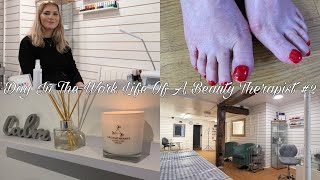


Helpful Resources
Articles and guides for deeper learning
Frequently Asked Questions
Quick answers to common questions
QWhat is the typical education needed for a beauty therapist?
A beautician course, which can range from diplomas to certificates, is usually required. These programs cover skincare, haircare, makeup, nail art, and salon management.
QWhat are the key skills for a beauty therapist?
Key skills include technical abilities in treatments, strong customer service, communication, hygiene protocols, and an understanding of skincare and haircare science.
QWhat are the career prospects for a beauty therapist?
Career prospects are generally good, with opportunities in salons, spas, hotels, and even starting one's own business. The industry is growing, creating ongoing demand.
QCan a beauty therapist work remotely?
Most roles for beauty therapists are location-bound due to the hands-on nature of the services. However, some aspects like consultations or online sales/marketing could potentially be done remotely.
QWhat is the difference between a beautician and a beauty therapist?
While often used interchangeably, a beauty therapist typically has a broader range of skills and knowledge, often including more advanced skincare treatments and sometimes a more holistic approach to client well-being, compared to a beautician who might focus more on specific services like makeup or hair styling.
Explore All 1,500+ Careers
Browse our full career explorer or take an assessment to get personalised recommendations.