Cast and Diamonds - Set Jewellery Manufacturing Worker
Also known as: Jewellery Maker, Goldsmith, Jewellery Setter, Bench Jeweller, Diamond Setter
A Cast and Diamonds – Set Jewellery Manufacturing Worker is a skilled artisan who plays a crucial role in bringing exquisite jewelry to life. They are involved in the detailed process of creating, setting, and finishing jewelry pieces, often working with precious metals and gemstones. This role requires a blend of artistic vision, precision, and technical expertise to transform raw materials into wearable art that customers cherish.
10
Skills to Learn
4
Career Levels
6
Top Companies
4
Education Paths
Sneak Peek
Have you ever marveled at the intricate beauty of a diamond necklace or a custom-designed ring? Do you find yourself drawn to the sparkle of gemstones and the art of metalwork?
What does a Cast and Diamonds - Set Jewellery Manufacturing Worker do?
A Cast and Diamonds – Set Jewellery Manufacturing Worker is a skilled artisan who plays a crucial role in bringing exquisite jewelry to life. They are involved in the detailed process of creating, setting, and finishing jewelry pieces, often working with precious metals and gemstones.
- Salary in India
- ₹3 to ₹12 lakh a year
- Demand
- Stable
- Remote work
- Location-Bound
- Industry
- Jewelry Manufacturing
Is This Career For You?
Discover if your personality matches this career
Your Personality Fit (RIASEC)
You enjoy working with your hands and with tools to create tangible products.
You have a creative flair and an eye for aesthetics, enjoying the beauty and design of jewelry.
You appreciate following processes, paying close attention to details, and ensuring accuracy in your work.
You have a knack for problem-solving and attention to detail, especially when it comes to precision work.
You might enjoy aspects of showcasing or selling the unique pieces you help create.
While collaboration is part of the job, the focus is more on individual craftsmanship than extensive social interaction.
You'll Love This Career If...
Like what you see? Get full access.
Save this career, compare with others, and get your personalized career plan.
50,000+ students already signed up
A Day in the Life
What your typical workday looks like
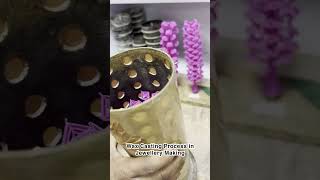
Your day might start by preparing wax models for casting, carefully carving or using specialized equipment to create the perfect shape. Then, you could move on to the casting process itself, ensuring the molten metal flows perfectly into the mold. Later, you might meticulously set sparkling diamonds or other gemstones into the metal, using specialized tools to secure each one. The day could conclude with polishing and finishing the piece, ensuring every surface gleams and every setting is secure, ready to be admired.
Myth vs Reality
Tap to reveal the truth behind common misconceptions
Skills You'll Need
Master these to excel in this career
Technical Skills
4Jewelry Design
Understanding and creating intricate jewelry designs.
Gemstone Setting
Placing and securing gemstones into jewelry pieces.
Precision Measurement
Using tools to measure and cut metals and gemstones accurately.
Soldering
Joining metal parts using a soldering iron and solder.
Soft Skills
5Attention to Detail
Ensuring high-quality craftsmanship in every piece.
Manual Dexterity
Performing intricate tasks with fine motor skills.
Team Collaboration
Working effectively with other craftsmen, designers, and support staff.
Customer Service
Interacting with customers to understand their needs and preferences.
Problem-Solving
Addressing issues that arise during the manufacturing process.
Domain Skills
1Jewelry Industry Knowledge
Understanding market trends, customer preferences, and industry standards.
Tools of the Trade
Software and tools you'll work with daily
Software
CAD Software (e.g., Rhino, MatrixGold, 3Design)
Used to create precise 2D and 3D digital models of jewelry pieces.
Hardware
3D Printer
Used to create physical prototypes or molds directly from CAD designs.
Casting Equipment (e.g., centrifugal casting machines, vacuum casting machines)
Used to pour molten metal into molds to create the basic jewelry forms.
Jeweler's Saw
A fine-toothed saw used for cutting metal with precision.
Files and Rasps
Tools used for shaping, refining, and smoothing metal components.
Polishing and Buffing Tools
Used to achieve a high shine and smooth finish on the completed jewelry.
Setting Tools (e.g., pliers, gravers, loupes)
Specialized tools for securely and precisely setting gemstones into the jewelry.
Kiln/Furnace
Used for melting metals during the casting process.
Want to build these skills?
Get a personalized learning roadmap and save careers that match your profile.
50,000+ students already signed up
Your Learning Path
Step-by-step guide to getting started
Introduction to Jewelry Basics
Start by learning about different types of metals used in jewelry (like gold, silver, platinum), basic tools, and safety precautions in a workshop environment. Understand the fundamental properties of metals and gems.
CAD for Jewelry Design
Get familiar with Computer-Aided Design (CAD) software specifically tailored for jewelry. Learn to create 2D sketches and 3D models, understanding how to manipulate shapes, set dimensions, and prepare designs for manufacturing.
Casting and Manufacturing Techniques
Dive into the 'lost-wax' casting process, including mold making, pouring metal, and understanding different casting methods. Learn techniques for finishing, polishing, and assembling jewelry components.
Gemstone Setting and Final Touches
Master the art of securely and beautifully setting various gemstones. Learn advanced finishing techniques, quality control checks, and how to prepare the final piece for presentation.
Career Progression
How your career will grow over time
Jewelry Manufacturing Apprentice
EntryAssisting experienced jewelers in creating, repairing, and polishing jewelry.
- Assisting in the creation of jewelry pieces
- Learning to use jewelry tools and equipment
- Helping with jewelry repairs and cleaning
Bench Jeweler
Mid-LevelCreating, repairing, and polishing jewelry independently.
- Designing and crafting jewelry pieces
- Repairing and maintaining jewelry
- Using advanced jewelry-making techniques
Senior Bench Jeweler
SeniorLeading projects and mentoring junior jewelers.
- Overseeing jewelry production
- Mentoring and training apprentices
- Developing new jewelry designs
Jewelry Manufacturing Supervisor
LeadershipManaging the jewelry manufacturing process and team.
- Supervising the manufacturing team
- Ensuring quality control
- Coordinating with other departments for production
Education Paths
Upper Secondary
Post-Secondary Certificate/Diploma
Jewelry Making
Associate Degree
Jewelry Design
Bachelor's Degree
Fine Arts/Jewelry Design
Top Hiring Companies
Salary & Future Growth
What you can earn and where the industry is headed
Salary Progression (INR)
Future Career OutlookCurrent Market: Stable
The demand for skilled jewelry manufacturing workers, especially those with expertise in casting and setting diamonds, is expected to remain stable. The industry relies on these traditional skills, though there's a growing integration of technology.
The medium to long-term outlook suggests a stable to moderate growth, driven by the consistent demand for luxury goods and personalized jewelry. While automation may impact some aspects, the intricate work of setting diamonds and specialized casting techniques will likely continue to require human expertise. The increasing appreciation for craftsmanship and unique designs could also bolster demand.
In the very long term, the role of a cast and diamonds – set jewelry manufacturing worker is likely to evolve with advancements in technology. However, the core artisanal skills of precision, attention to detail, and artistic interpretation will remain valuable. The industry may see a blend of highly skilled craftspeople working alongside automated processes, with a continued demand for unique, high-quality pieces.
Not sure if Cast and Diamonds - Set Jewellery Manufacturing Worker is right for you?
Talk to a Stride counsellor for personalised guidance on whether this career fits your interests, strengths, and goals.
Watch & Learn
Curated videos to help you explore



Helpful Resources
Articles and guides for deeper learning
Frequently Asked Questions
Quick answers to common questions
QWhat are the typical working hours for a jewelry manufacturing worker?
Typical working hours are usually around 40 hours per week, often from Monday to Friday, but overtime may be required during busy periods or for specific projects.
QIs there a lot of physical demand in this job?
The job requires fine motor skills and steady hands, but not typically heavy physical labor. However, standing for long periods and maintaining focus can be physically demanding in a different way.
QWhat are the opportunities for creativity in this role?
While manufacturing often follows specific designs, there are opportunities for creativity in problem-solving during the manufacturing process, suggesting improvements, and potentially contributing to design variations or custom pieces.
Explore All 1,500+ Careers
Browse our full career explorer or take an assessment to get personalised recommendations.