Central Sterile Processing Technician
Also known as: CSPT, Sterile Processing Tech, Central Supply Technician
A Central Sterile Processing Technician plays a crucial role in healthcare by ensuring that surgical instruments and equipment are properly cleaned, sterilized, and organized. They are the unseen heroes who make sure that every surgery is performed with safe and sterile tools, directly contributing to patient safety and preventing infections. This involves meticulous attention to detail and a thorough understanding of sterilization processes and equipment.
8
Skills to Learn
4
Career Levels
5
Top Companies
2
Education Paths
Sneak Peek
Ever wondered how surgical tools get cleaned and sterilized so they can be safely used again? It
What does a Central Sterile Processing Technician do?
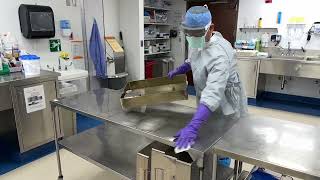
A Central Sterile Processing Technician is responsible for decontaminating, sterilizing, and assembling surgical instruments and medical equipment. They ensure that all equipment is safe and ready for patient use, playing a critical role in infection control within healthcare facilities.
- Salary in India
- ₹2.5 to ₹6 lakh a year
- Demand
- Stable
- Remote work
- Location-Bound
- Industry
- Healthcare
Is This Career For You?
Discover if your personality matches this career
Your Personality Fit (RIASEC)
Strong preference for following procedures, attention to detail, and maintaining organized, sterile environments.
Enjoy hands-on work with tools and equipment.
Like to learn and understand processes, especially those related to science and infection control.
Interact with medical teams, but the primary focus is not on direct patient care or counseling.
Some aspects of organization and efficiency, but not typically sales or management focused.
Less focus on creative expression in this role.
You'll Love This Career If...
Like what you see? Get full access.
Save this career, compare with others, and get your personalized career plan.
50,000+ students already signed up
A Day in the Life
What your typical workday looks like
Your day starts early, checking the inventory of surgical tools and preparing the sterilization equipment. You'll meticulously inspect each instrument, clean away any debris, and then package them for their specific sterilization cycle. Throughout the day, you'll operate sterilizers, monitor their cycles, and document everything to ensure compliance. You might also respond to urgent requests from operating rooms for specific instrument sets, always working against the clock to ensure surgeons have what they need, when they need it.
Myth vs Reality
Tap to reveal the truth behind common misconceptions
Skills You'll Need
Master these to excel in this career
Technical Skills
2Sterilization Techniques
Understanding and applying methods to disinfect and sterilize medical instruments.
Quality Control
Ensuring that all sterilized equipment meets safety and quality standards.
Soft Skills
4Attention to Detail
Meticulousness in handling and recording procedures to ensure accuracy.
Team Collaboration
Working effectively with other healthcare professionals to ensure smooth operations.
Problem-Solving
Identifying and resolving issues that may arise during the sterilization process.
Time Management
Efficiently managing time to meet deadlines and handle multiple tasks.
Domain Skills
2Medical Terminology
Knowledge of terms and jargon related to medical equipment and procedures.
Regulatory Knowledge
Understanding and adhering to healthcare regulations and standards.
Tools of the Trade
Software and tools you'll work with daily
Hardware
Autoclave
A machine that uses steam under pressure to sterilize surgical instruments.
Washer-Disinfector
An automated machine that cleans and disinfects surgical instruments.
Sterilization Monitoring Tools (e.g., Chemical Indicators, Biological Indicators)
Devices used to ensure that the sterilization process has been successful.
Surgical Instruments
The various tools used by surgeons during operations that need to be sterilized.
Personal Protective Equipment (PPE)
Gear worn to protect technicians from potential contaminants and hazards.
Software
Learning Management System (LMS)
Used for online lectures and coursework in hybrid learning environments.
Want to build these skills?
Get a personalized learning roadmap and save careers that match your profile.
50,000+ students already signed up
Your Learning Path
Step-by-step guide to getting started
Foundations in Healthcare Basics
Start by learning essential medical terminology and understanding basic human anatomy. This will help you comprehend the purpose and use of surgical tools.
Sterile Processing Fundamentals
Dive into the core concepts of infection control, microbiology, and the different sterilization methods (like autoclaving). You'll learn about safety protocols and the importance of following guidelines.
Hands-On Training and Clinical Internship
Gain practical experience through lab work and a mandatory clinical internship. This is where you'll practice decontamination, sterilization, and assembly techniques in a real healthcare setting.
Certification and Specialization
Prepare for and pass a certification exam, such as the CRCST. This shows employers you have the verified skills and knowledge to excel as a Sterile Processing Technician.
Career Progression
How your career will grow over time
Entry-Level Sterile Processing Technician
EntryBeginner technicians perform basic decontamination, cleaning, and sterilization tasks under supervision.
- Decontaminate surgical instruments
- Inspect instruments for damage
- Package instruments for sterilization
- Operate sterilization equipment
Certified Sterile Processing Technician
Mid-LevelTechnicians with certification handle more complex tasks and may oversee entry-level staff.
- Perform advanced sterilization techniques
- Maintain sterilization records
- Train new technicians
- Ensure compliance with regulations
Senior Sterile Processing Technician
SeniorExperienced technicians take on leadership roles, manage inventory, and ensure department efficiency.
- Manage instrument inventory
- Supervise staff
- Implement quality control measures
- Coordinate with surgical departments
Sterile Processing Department Supervisor
LeadershipSupervisors oversee the entire department, manage budgets, and ensure high standards of sterilization and safety.
- Oversee daily operations
- Develop departmental policies
- Manage budgets and resources
- Ensure regulatory compliance
Education Paths
Post-Secondary Certificate/Diploma
Certificate in Sterile Processing
Healthcare Technology
Associate Degree
Associate Degree in Surgical Technology
Healthcare Technology
Top Hiring Companies
Salary & Future Growth
What you can earn and where the industry is headed
Salary Progression (INR)
Future Career OutlookCurrent Market: Stable
Central Sterile Processing Technicians play a crucial role in healthcare by ensuring surgical instruments and medical equipment are properly cleaned, sterilized, and assembled for reuse. This is vital for preventing infections and ensuring patient safety. The demand for these professionals is steady as hospitals and surgical centers rely on their expertise to maintain a safe operating environment.
As healthcare facilities continue to perform a high volume of procedures and expand their services, the need for skilled sterile processing technicians is expected to remain consistent. Advancements in medical technology may introduce new equipment and sterilization methods, requiring technicians to adapt and potentially specialize, ensuring continued relevance and demand in the medium to long term.
The fundamental need for sterilization in healthcare is unlikely to diminish. With an aging population and ongoing medical innovations, the demand for sterile processing services will persist. Technicians who stay updated with evolving sterilization technologies and maintain certifications will likely find stable employment opportunities well into the future.
Not sure if Central Sterile Processing Technician is right for you?
Talk to a Stride counsellor for personalised guidance on whether this career fits your interests, strengths, and goals.
Watch & Learn
Curated videos to help you explore



Helpful Resources
Articles and guides for deeper learning
Frequently Asked Questions
Quick answers to common questions
QWhat kind of environment do they work in?
They typically work in a hospital's sterile processing department, surgical centers, or other healthcare facilities. The work environment is usually indoors, in a controlled setting where cleanliness and organization are paramount.
QWhat are the typical work hours for a Sterile Processing Technician?
Work hours can vary, as healthcare facilities operate 24/7. Technicians may work day, evening, or night shifts, and often a rotating schedule that includes weekends and holidays.
Explore All 1,500+ Careers
Browse our full career explorer or take an assessment to get personalised recommendations.