Criminal Investigator
Also known as: Cyber Investigator, Cyber Fraud Investigator, Internet Crime Investigator, Cyber Threat Investigator, Dark Web Analyst, Computer Forensics Investigator
A Criminal Investigator, particularly a Cybercrime Investigator, is a modern-day detective who specializes in solving crimes that happen online. They use advanced technical skills to track down hackers, investigate online fraud, and uncover digital evidence to stop cybercriminals in their tracks. This role is crucial in protecting individuals and organizations from billions of dollars in losses due to cyberattacks.
10
Skills to Learn
5
Career Levels
4
Top Companies
5
Education Paths
Sneak Peek
Do you have a knack for solving puzzles and a passion for justice? Ever wondered if you could use your tech skills to catch criminals in the digital world?
What does a Criminal Investigator do?
A Criminal Investigator, particularly a Cybercrime Investigator, is a modern-day detective who specializes in solving crimes that happen online. They use advanced technical skills to track down hackers, investigate online fraud, and uncover digital evidence to stop cybercriminals in their tracks. This role is crucial in protecting individuals and organizations from billions of dollars in losses due to cyberattacks.
- Salary in India
- ₹4 to ₹9 lakh a year
- Demand
- Stable
- Remote work
- Location-Bound
- Industry
- Law Enforcement
Is This Career For You?
Discover if your personality matches this career
Your Personality Fit (RIASEC)
You love digging deep into mysteries, analyzing clues, and figuring out how things work.
You enjoy hands-on work, like examining evidence and using tools to uncover facts.
You're comfortable interacting with different people, from witnesses to suspects, and explaining complex information.
You have a knack for organization and attention to detail, which is crucial for documenting cases and evidence.
You can take charge of situations and make decisions under pressure.
While not the primary focus, creativity can help in approaching complex cases from new angles.
You'll Love This Career If...
Like what you see? Get full access.
Save this career, compare with others, and get your personalized career plan.
50,000+ students already signed up
A Day in the Life
What your typical workday looks like
Imagine starting your day by diving into complex data, looking for clues that others might miss. You might spend time on your computer, navigating the hidden corners of the internet, or perhaps you
Myth vs Reality
Tap to reveal the truth behind common misconceptions
Skills You'll Need
Master these to excel in this career
Technical Skills
4Evidence Analysis
Analyzing physical and digital evidence from crime scenes.
Crime Scene Investigation
Gathering and preserving evidence at crime scenes.
Forensic Science Techniques
Applying scientific methods to analyze evidence.
Digital Forensics
Recovering and examining digital evidence from electronic devices.
Soft Skills
5Report Writing
Writing clear and concise investigative reports.
Courtroom Testimony
Presenting findings in court as an expert witness.
Analytical Thinking
Using logical reasoning to solve complex problems.
Communication Skills
Effectively communicating findings to law enforcement and legal teams.
Team Collaboration
Working effectively with law enforcement and other investigative teams.
Domain Skills
1Knowledge of Criminal Law
Understanding legal frameworks and procedures related to criminal investigations.
Tools of the Trade
Software and tools you'll work with daily
Hardware
Forensic analysis kits
These kits contain various tools and chemicals used to collect and analyze physical evidence from a crime scene, like fingerprints or DNA.
Body-worn cameras and surveillance equipment
Devices used to record events, gather visual evidence, and monitor suspicious activities.
Crime scene investigation kits
Includes items like fingerprint dust, brushes, evidence bags, and markers to properly document and collect evidence at a crime scene.
Ballistics analysis tools
Specialized equipment used to examine firearms and ammunition, determining if a specific weapon was used in a crime.
Software
Databases (e.g., criminal records, vehicle registrations)
Digital systems used to access and cross-reference information about individuals, vehicles, and past criminal activities.
Interview and Interrogation techniques
These are not physical tools but established methods and psychological approaches used to gather information effectively from witnesses and suspects.
Computer-Aided Dispatch (CAD) and Records Management Systems (RMS)
Systems used by law enforcement agencies to manage calls for service, officer activities, and case files, helping investigators track and organize information.
Digital Forensics Software
Tools used to recover and analyze data from computers, smartphones, and other digital devices.
Legal and Case Management Software
Programs used to organize case files, track legal proceedings, and manage evidence documentation throughout the investigation.
Want to build these skills?
Get a personalized learning roadmap and save careers that match your profile.
50,000+ students already signed up
Your Learning Path
Step-by-step guide to getting started
Understand the Basics of Criminology
Start by learning about what crime is, why people commit crimes, and how society tries to prevent and punish it. Read introductory books or watch documentaries on criminology.
Learn About Law Enforcement and the Justice System
Get familiar with how police departments work, the different roles within law enforcement, and the basics of the legal process, including courts and legal rights.
Develop Critical Thinking and Observation Skills
Practice solving puzzles, analyzing situations, and paying close attention to details in everyday life. This could involve logic games, reading mystery novels, or even just being more aware of your surroundings.
Gain Experience Through Internships or Volunteering
Look for opportunities to volunteer with local police departments, community watch programs, or relevant non-profits. This hands-on experience will give you valuable insights and practical skills.
Career Progression
How your career will grow over time
Patrol Officer
EntryA new recruit in law enforcement focusing on maintaining public safety and gathering initial investigative experience.
- Patrolling assigned areas
- Responding to emergency calls
- Conducting initial investigations
- Building rapport with the community
Criminal Investigator Trainee
EntryAn entry-level position where an individual begins to apply investigative skills under supervision.
- Assisting senior investigators
- Conducting basic evidence collection
- Writing preliminary reports
- Learning criminal law and procedures
Criminal Investigator
Mid-LevelA role involving independent investigation of crimes and preparation of detailed case reports.
- Conducting complex investigations
- Analyzing evidence
- Interviewing witnesses and suspects
- Writing comprehensive case reports
Senior Criminal Investigator
SeniorA leadership role overseeing multiple investigations and mentoring junior investigators.
- Supervising investigations
- Training new investigators
- Coordinating with other law enforcement agencies
- Managing complex cases
Criminal Investigation Supervisor
LeadershipA high-level position responsible for strategic oversight of investigative units and policy development.
- Developing investigative strategies
- Managing investigative teams
- Ensuring compliance with legal standards
- Representing the unit in high-level meetings
Education Paths
Lower Secondary
Upper Secondary
Post-Secondary Certificate/Diploma
Certificate in Criminal Justice
Criminal Justice
Bachelor's Degree
B.A./B.S. in Criminal Justice
Criminal Justice
Master's Degree
M.A./M.S. in Criminal Justice
Criminal Justice
Top Hiring Companies
Salary & Future Growth
What you can earn and where the industry is headed
Salary Progression (INR)
Future Career OutlookCurrent Market: Stable
Criminal investigators are essential for upholding justice and public safety. Their work involves a blend of critical thinking, meticulous evidence gathering, and understanding legal procedures. The demand for skilled investigators is expected to remain steady as law enforcement agencies and other organizations continue to rely on their expertise to solve crimes and ensure accountability.
The field of criminal investigation is likely to see continued demand, influenced by evolving crime patterns and technological advancements in forensic science and data analysis. While the core functions will remain, investigators will need to adapt to new investigative techniques and digital evidence. Opportunities may expand in specialized areas like cybercrime and forensic accounting.
Looking far ahead, the role of the criminal investigator will continue to adapt. Technological integration, such as AI in data analysis and advanced digital forensics, will likely reshape how investigations are conducted. The fundamental need for individuals who can piece together complex cases, interpret evidence, and navigate the justice system will persist, ensuring the long-term relevance of this profession.
Not sure if Criminal Investigator is right for you?
Talk to a Stride counsellor for personalised guidance on whether this career fits your interests, strengths, and goals.
Watch & Learn
Curated videos to help you explore
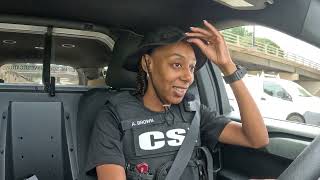


Helpful Resources
Articles and guides for deeper learning
Frequently Asked Questions
Quick answers to common questions
QWhat are the typical daily tasks of a criminal investigator?
Daily tasks can vary widely but often include interviewing witnesses and suspects, gathering and analyzing evidence (which can range from physical items to digital data), writing detailed reports, preparing case files for prosecution, and testifying in court.
QWhat kind of education is usually required to become a criminal investigator?
A bachelor's degree in criminal justice, criminology, forensic science, or a related field is typically required. Some positions may also require a master's degree, especially for specialized roles or advancement.
QAre criminal investigators always police officers?
Not always. While many criminal investigators are sworn police officers, others work for federal agencies (like the FBI or DEA), state investigative bureaus, or private firms, and may not be traditional law enforcement officers but have specialized investigative roles.
Explore All 1,500+ Careers
Browse our full career explorer or take an assessment to get personalised recommendations.