Dancer
Also known as: Dancer, Performer, Classical Dancer, Bollywood Dancer, Folk Dancer, Contemporary Dancer
As a dancer, you'll use the art of movement to tell stories, evoke emotions, and entertain audiences. Whether performing in elaborate stage productions, energetic music videos, or cultural festivals, dancers bring creative visions to life through physical expression. This career demands dedication to mastering various dance styles, from classical forms to contemporary choreography, and the ability to connect with viewers through powerful performances.
10
Skills to Learn
4
Career Levels
7
Top Companies
3
Education Paths
Sneak Peek
Do you love to express yourself through movement and bring stories to life with your body? Have you ever imagined captivating an audience with every step, leap, and twirl?
What does a Dancer do?
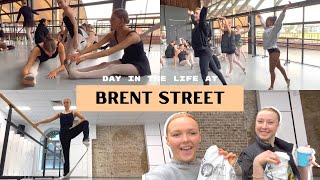
A ballet dancer's day typically involves daily classes to maintain technique, rigorous rehearsals for several hours to learn choreography, and preparing for live performances. They also engage in cross-training, conditioning, and injury prevention exercises, and may travel for touring productions.
- Salary in India
- ₹3 to ₹12 lakh a year
- Demand
- Declining
- Remote work
- Location-Bound
- Industry
- Performing Arts
Is This Career For You?
Discover if your personality matches this career
Your Personality Fit (RIASEC)
You love expressing yourself through movement, telling stories, and creating beauty.
You enjoy collaborating with others and connecting with an audience through performance.
You are physically disciplined and enjoy mastering precise, athletic movements.
You are motivated by performing for others and potentially leading or inspiring them through your art.
While not the primary focus, understanding anatomy and the history of dance can be part of the role.
The highly structured nature of training and rehearsal may appeal, but routine tasks are not the main draw.
You'll Love This Career If...
Like what you see? Get full access.
Save this career, compare with others, and get your personalized career plan.
50,000+ students already signed up
A Day in the Life
What your typical workday looks like
Your day might start with an energizing warm-up, followed by hours of rehearsal, perfecting intricate choreography with your fellow dancers and choreographer. You could be learning new routines for an upcoming show, refining a specific movement, or practicing for a video shoot. In the afternoon, you might attend a class to hone your technique or work on a specific dance style. Your day often culminates in a performance, where you'll step onto the stage or set to share your artistry with an audience.
Myth vs Reality
Tap to reveal the truth behind common misconceptions
Skills You'll Need
Master these to excel in this career
Technical Skills
4Choreography
The art of designing sequences of movements of physical bodies (or their depictions) in keeping with the laws of physics.
Performance Skills
The ability to express emotions and tell stories through dance.
Musicality
Understanding and responding to music in dance.
Physical Fitness
Maintaining a high level of physical health and stamina.
Soft Skills
5Creativity
The ability to generate original ideas and concepts.
Resilience
The ability to bounce back from setbacks and continue to perform.
Communication Skills
The ability to convey ideas and emotions effectively through dance.
Collaboration
Working effectively with other dancers, musicians, and choreographers.
Adaptability
The ability to adjust to different dance styles, environments, and performance settings.
Domain Skills
1Cultural Awareness
Understanding the cultural context and history of different dance styles.
Tools of the Trade
Software and tools you'll work with daily
Hardware
Pointe shoes/Ballet slippers
Specialized footwear essential for ballet technique, requiring careful fitting and frequent replacement.
Marley dance floors
Durable, smooth flooring found in studios and on stages, designed for safe and effective dancing.
Barres
Sturdy bars used for support during warm-up exercises and technique practice at the ballet barre.
Mirrors
Large mirrors in studios allow dancers to check their form, alignment, and technique during practice.
Resistance bands, Foam rollers
Equipment used for strength training, conditioning, and muscle recovery to enhance performance and prevent injuries.
Costumes and Sets
Elements used during performances to help create the character and atmosphere of the production.
Stage lighting and Sound systems
Technical equipment used in performance venues to enhance the visual and auditory experience for the audience.
Platform
Music (live piano or recordings)
The auditory foundation that guides rhythm, tempo, and emotional expression in dance.
Want to build these skills?
Get a personalized learning roadmap and save careers that match your profile.
50,000+ students already signed up
Your Learning Path
Step-by-step guide to getting started
Build a Strong Foundation
Start with beginner ballet classes to learn fundamental positions, movements, and basic techniques. Focus on building muscle memory, flexibility, and core strength. Practice regularly to develop good posture and body awareness.
Explore Different Styles and Enhance Skills
Continue with intermediate ballet and explore other dance forms like contemporary or jazz to broaden your movement vocabulary. Participate in workshops and masterclasses to learn from professionals. Focus on musicality, expression, and smooth transitions between steps.
Gain Performance Experience
Join student performances, local productions, or summer intensifies to gain real-world stage experience. Learn about choreography, stagecraft, and how to work collaboratively with directors and fellow dancers. Start building a professional resume and dance reel.
Audition and Professional Development
Attend auditions for dance companies, apprenticeships, or university programs. Continue cross-training (like Pilates or yoga) for injury prevention and physical maintenance. Network with industry professionals and consider finding a talent agent as you advance.
Career Progression
How your career will grow over time
Junior Dancer
EntryA Junior Dancer is at the beginning of their career, typically having just graduated from a dance program. They may be participating in auditions, learning new dance styles, and performing in smaller roles.
- Participate in auditions and casting sessions
- Maintain physical fitness through regular training
- Perform in smaller roles or as part of an ensemble
- Learn and adapt choreography under the guidance of more experienced dancers
Dancer
Mid-LevelA Dancer has gained more experience and may be performing in lead roles or more prominent positions within a dance company or production.
- Perform in lead roles or more prominent positions
- Collaborate with choreographers and directors to interpret and develop choreography
- Take on additional performance skills such as singing or acting
- Manage personal promotion and career development through social media and networking
Senior Dancer
SeniorA Senior Dancer has established themselves in the industry and may be taking on more responsibility within a dance company or production.
- Take on leadership roles within a dance company or production
- Mentor and guide junior dancers
- Contribute to the creative direction of dance routines
- Explore opportunities in choreography, teaching, or arts management
Choreographer
LeadershipA Choreographer has moved into a leadership role, creating original dances and developing new interpretations of existing dances.
- Create original dances and develop new interpretations of existing dances
- Audition dancers for roles and provide feedback
- Assist with costume design, lighting, and other artistic aspects of a show
- Teach complex dance movements and techniques
Education Paths
Post-Secondary Certificate/Diploma
Diploma in Professional Dance
Dance
Bachelor's Degree
Bachelor of Fine Arts in Dance
Dance
Master's Degree
Master of Fine Arts in Dance
Dance
Top Hiring Companies
Salary & Future Growth
What you can earn and where the industry is headed
Salary Progression (INR)
Future Career OutlookCurrent Market: Declining
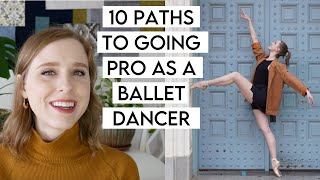
The current job market for ballet dancers is highly competitive, with numerous talented individuals vying for a limited number of positions. Success often depends on exceptional skill, extensive training from a young age, and strong networking within the industry. While opportunities exist in professional companies and independent performances, the demand is not as high as in some other fields.
Over the medium to long term, the demand for ballet dancers is expected to remain stable but highly competitive. While there's a consistent appreciation for classical art forms, growth is projected to be slower than average. Companies may focus on maintaining existing productions rather than expanding, and dancers will need to be versatile and adaptable to evolving artistic trends.
The long-term outlook for ballet dancers is uncertain and highly dependent on the continued support for live performing arts and the ability of companies to innovate and attract new audiences. While the art form will likely endure, the number of professional opportunities may not significantly increase. Dancers who can adapt to new choreographic styles and integrate with other performance mediums might find more sustained careers.
Not sure if Dancer is right for you?
Talk to a Stride counsellor for personalised guidance on whether this career fits your interests, strengths, and goals.
Watch & Learn
Curated videos to help you explore




Helpful Resources
Articles and guides for deeper learning
Frequently Asked Questions
Quick answers to common questions
QWhat is the typical salary for a ballet dancer?
The median salary for ballet dancers in the U.S. is around $49,070 per year, with a typical range between $25,000 and $80,000+. Salaries can vary significantly based on the company, experience, and location.
QWhat kind of education is required to become a ballet dancer?
Becoming a ballet dancer requires intensive, specialized training from a young age, often at professional ballet schools. While a bachelor's degree in dance is an option, practical experience through apprenticeships and continuous training is paramount. Success hinges more on rigorous technical mastery and artistic expression than formal degrees.
QWhat are the key skills needed for a ballet dancer?
Key technical skills include mastery of classical ballet techniques, pointe work, pas de deux, and repertoire. Essential soft skills involve discipline, resilience, musicality, adaptability, collaboration, and artistic expression. A fundamental understanding of anatomy and conditioning is also crucial.
Explore All 1,500+ Careers
Browse our full career explorer or take an assessment to get personalised recommendations.