Design and Product Engineer
Also known as: Product Engineer, Industrial Designer, Product Development Engineer
A Design and Product Engineer is a creative problem-solver who blends technical expertise with artistic flair to design, develop, and improve products or systems. They are involved in the entire product lifecycle, from brainstorming initial concepts and creating detailed 3D models using specialized software, to selecting the right materials, overseeing manufacturing, and ensuring the final product is functional, user-friendly, and meets client needs. This role is crucial in industries ranging from automotive and electronics to software and consumer goods, making them essential for innovation and bringing new ideas to the market.
5
Skills to Learn
4
Career Levels
40
Top Companies
2
Education Paths
Sneak Peek
Ever wondered how your favorite gadgets or apps come to life, from the initial idea to the final product you hold in your hands? If you love bringing creative visions to reality and solving real-world problems with technology, a career as a Design and Product Engineer might be your perfect fit!
What does a Design and Product Engineer do?
A Design and Product Engineer is a creative problem-solver who blends technical expertise with artistic flair to design, develop, and improve products or systems. They are involved in the entire product lifecycle, from brainstorming initial concepts and creating detailed 3D models using specialized software, to selecting the right materials, overseeing manufacturing, and ensuring the final product is functional, user-friendly, and meets client needs.
- Demand
- Growing
- Remote work
- Remote-Friendly
- Industry
- Information Technology
Is This Career For You?
Discover if your personality matches this career
Your Personality Fit (RIASEC)
You love to solve complex problems and figure out how things work.
You enjoy working with your hands and on tangible projects, like building or fixing things.
You're motivated by challenges and enjoy leading projects or influencing outcomes.
You have a creative side and enjoy bringing new ideas to life visually or conceptually.
You appreciate structure and process, but your focus is more on creation than strict adherence to existing methods.
While collaboration is important, your primary drive isn't directly helping or teaching others.
You'll Love This Career If...
Like what you see? Get full access.
Save this career, compare with others, and get your personalized career plan.
50,000+ students already signed up
A Day in the Life
What your typical workday looks like
Your day might start with a brainstorming session with your team, sketching out new ideas for a smartphone's interface or a more efficient kitchen appliance. Then, you could dive into using CAD software to create a detailed 3D model of a new drone component, running simulations to test its durability. In the afternoon, you might collaborate with manufacturing specialists to discuss production feasibility or review user feedback on a recently launched product, planning out improvements for the next version. You'll likely spend time researching new materials, solving unexpected design glitches, and documenting your progress.
Myth vs Reality
Tap to reveal the truth behind common misconceptions
Skills You'll Need
Master these to excel in this career
Technical Skills
2CAD Software
Proficiency in using computer-aided design software.
Prototyping
Experience in creating and testing prototypes.
Soft Skills
2Problem-Solving
Ability to identify and solve complex problems.
Team Collaboration
Working effectively in a team environment.
Domain Skills
1Product Development
Understanding of the product development lifecycle.
Tools of the Trade
Software and tools you'll work with daily
Software
SolidWorks
Used for creating 3D models and 2D drawings of product components.
AutoCAD
Another popular software for 2D drafting and 3D modeling.
CATIA
A comprehensive software suite for design, engineering, and systems engineering.
ANSYS
Used for simulating product performance, like stress and thermal behavior.
COMSOL Multiphysics
Software for simulating physics-based phenomena in designs.
Teamcenter
A system for managing design files, revisions, and product information.
Windchill
Another Product Lifecycle Management (PLM) tool for design data management.
Hardware
3D Printer
Used to create physical prototypes of designs quickly.
CNC Machine
Computer-controlled machines for precise manufacturing of prototypes or parts.
Want to build these skills?
Get a personalized learning roadmap and save careers that match your profile.
50,000+ students already signed up
Your Learning Path
Step-by-step guide to getting started
Master the Basics of Engineering
Start by understanding fundamental engineering principles. Explore subjects like physics, materials science, and basic mechanics. Many online courses and introductory textbooks can help you build a strong foundation.
Get Hands-On with Design Software
Learn to use industry-standard CAD software like SolidWorks or AutoCAD. Practice creating simple 2D sketches and 3D models. Look for tutorials and free trial versions to get started.
Explore Simulation and Prototyping
Understand how to use simulation tools (like ANSYS or COMSOL) to test your designs virtually. Learn about different prototyping methods, such as 3D printing, to bring your digital creations into the physical world.
Build a Portfolio and Gain Experience
Work on personal projects or join school clubs to apply your skills. Document your design process and final products in a portfolio to showcase your abilities to potential employers or for further studies.
Career Progression
How your career will grow over time
Junior Design Engineer
EntryAssists in the design and development of products.
- Supporting senior engineers in design tasks
- Conducting research on design trends and technologies
- Creating basic design prototypes
Design Engineer
Mid-LevelDevelops and improves product designs.
- Designing new products and improving existing ones
- Collaborating with cross-functional teams
- Conducting design reviews and testing
Senior Design Engineer
SeniorLeads design projects and mentors junior engineers.
- Leading design projects from concept to production
- Mentoring and guiding junior engineers
- Ensuring design compliance with industry standards
Principal Design Engineer
LeadershipDirects the overall design strategy and innovation.
- Directing the design strategy for the company
- Innovating new design methodologies
- Collaborating with top management on strategic decisions
Education Paths
Bachelor's Degree
B.Tech
Computer Science
Master's Degree
M.Tech
Product Design
Top Hiring Companies
Salary & Future Growth
What you can earn and where the industry is headed
Salary Progression (INR)
Future Career OutlookCurrent Market: Growing
Design and Product Engineers are in high demand as companies increasingly rely on innovation to stay competitive. They are crucial in bringing new products from concept to reality, focusing on both the user experience and the technical feasibility.
The field is expected to continue growing, driven by advancements in digital tools, AI, and the demand for sustainable and user-centric products. Engineers who adapt to new technologies and collaborative models will find strong opportunities.
As technology evolves and global challenges like sustainability become more pressing, the role of engineers in designing innovative solutions will remain critical. Continuous learning and adaptation will be key to long-term success.
Not sure if Design and Product Engineer is right for you?
Talk to a Stride counsellor for personalised guidance on whether this career fits your interests, strengths, and goals.
Watch & Learn
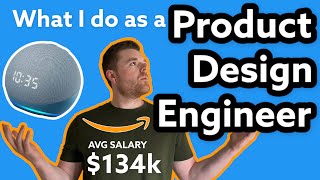
Curated videos to help you explore



Helpful Resources
Articles and guides for deeper learning
Frequently Asked Questions
Quick answers to common questions
QWhat are the typical working hours for a Design and Product Engineer?
Working hours can vary, but often involve standard business hours. However, project deadlines can sometimes require extended hours. The rise of remote and hybrid models offers more flexibility.
QWhat is the difference between a Product Engineer and a Design Engineer?
While there's overlap, a Product Engineer often focuses more on the manufacturing, performance, and lifecycle of a product, while a Design Engineer emphasizes the conceptualization, aesthetics, and user interaction aspects. A Design and Product Engineer role typically blends both.
QWhat kind of education is needed?
A bachelor's degree in engineering (such as Mechanical, Electrical, Industrial, or Product Design) is usually required. Advanced degrees can be beneficial for specialized roles.
Explore All 1,500+ Careers
Browse our full career explorer or take an assessment to get personalised recommendations.