Disc Jockey (DJ)
Also known as: DJ, Disk Jockey
A Disc Jockey, or DJ, is a professional who selects and plays recorded music for an audience. This can happen in various settings, from radio stations and clubs to private parties and large festivals. DJs curate playlists, mix tracks seamlessly, and often interact with the crowd to create an energetic and memorable atmosphere. They need a deep understanding of music genres and an ability to read the crowd to keep the energy high.
8
Skills to Learn
4
Career Levels
1
Top Companies
3
Education Paths
Sneak Peek
Do you love discovering new music and sharing it with others? Ever dreamed of being the person who controls the vibe at parties and events, making everyone dance the night away?
What does a Disc Jockey (DJ) do?
A Disc Jockey, or DJ, is a professional who selects and plays recorded music for an audience. This can happen in various settings, from radio stations and clubs to private parties and large festivals. DJs curate playlists, mix tracks seamlessly, and often interact with the crowd to create an energetic and memorable atmosphere.
- Salary in India
- ₹3 to ₹10 lakh a year
- Demand
- Stable
- Remote work
- Hybrid
- Industry
- Entertainment
Is This Career For You?
Discover if your personality matches this career
Your Personality Fit (RIASEC)
Enjoys creative expression and creating unique experiences through music and atmosphere.
Likes to influence, persuade, and lead, often by energizing a crowd and managing events.
Enjoys interacting with people and contributing to a positive social atmosphere.
Appreciates exploring and understanding different music genres and audience preferences.
Less focused on hands-on, tangible tasks and more on performance and audience engagement.
Not typically focused on organized, routine tasks, but rather on spontaneous performance and crowd reading.
You'll Love This Career If...
Like what you see? Get full access.
Save this career, compare with others, and get your personalized career plan.
50,000+ students already signed up
A Day in the Life
What your typical workday looks like
Imagine starting your day by exploring new music releases and genres, perhaps at home or in a studio. Later, you might spend time practicing mixing techniques or preparing a custom playlist for an upcoming event. In the evening, you could be setting up your equipment at a club, bar, or a private party, and then, as the night unfolds, you'll be behind the decks, skillfully blending tracks, reading the crowd's energy, and keeping the dance floor alive with the perfect beats. You might also be communicating with clients to understand their musical preferences for their event.
Myth vs Reality
Tap to reveal the truth behind common misconceptions
Skills You'll Need
Master these to excel in this career
Technical Skills
2Mixing Skills
Proficiency in using DJ equipment to create smooth transitions between songs.
Technical Skills
Proficiency in using DJ software and hardware.
Soft Skills
3Crowd Reading
Ability to gauge the audience's mood and adjust the music accordingly.
Networking
Building relationships with event planners, venues, and other industry professionals.
Communication
Effective communication with clients and audiences.
Domain Skills
3Music Knowledge
Deep understanding of various music genres and trends.
Event Planning
Assisting clients in planning events and coordinating logistics.
Marketing
Promoting DJ services through various channels.
Tools of the Trade
Software and tools you'll work with daily
Software
DJ.Studio
A tool for creating polished, studio-quality mixes using a timeline-based workflow and AI assistance.
Rekordbox
Industry-standard software for music management and live performance, essential for aspiring club DJs.
Serato DJ Lite
Introductory software great for beginners interested in performance DJing, scratching, and hip-hop.
Mixxx
A completely free, open-source DJ software option with extensive controller support, ideal for budget-conscious or tech-savvy users.
djay Pro
A versatile DJ app that works across multiple platforms, including mobile, and offers streaming integration and video mixing.
Hardware
DJ Controllers
Physical devices that allow DJs to manipulate music, cue tracks, adjust EQs, and perform live mixes.
Professional Sound System
Includes speakers, amplifiers, and subwoofers to ensure high-quality audio playback for any event.
Lighting Equipment
Various lighting setups to enhance the atmosphere and visual experience of an event.
Want to build these skills?
Get a personalized learning roadmap and save careers that match your profile.
50,000+ students already signed up
Your Learning Path
Step-by-step guide to getting started
Explore DJ Software
Start by downloading free DJ software like Mixxx or Rekordbox. Experiment with their interfaces, learn how to load tracks, and practice basic mixing techniques like beatmatching and adjusting EQs.
Build Your Music Library
Discover where DJs legally get their music, such as Beatport, DJcity, or Bandcamp. Start curating a collection of music that you enjoy and that fits different event types. Learn about music organization and tagging.
Practice Live Mixing
Use DJ controllers with your chosen software to practice transitions between songs. Focus on creating smooth mixes, understanding song structure, and developing your own style. Try mixing different genres together.
Understand Event Dynamics
Learn how to read a crowd, take requests, and manage the flow of an event. Practice making announcements and coordinating with event organizers. Consider offering your services for small, free events to gain experience.
Career Progression
How your career will grow over time
Junior DJ
EntryBeginning DJ who assists senior DJs and learns the basics of music selection and mixing.
- Assist senior DJs during events
- Learn music genres and mixing techniques
- Help set up and operate DJ equipment
Resident DJ
Mid-LevelDJ who has regular gigs at clubs or events and starts developing a unique style.
- Perform at regular gigs
- Develop a personal DJ style
- Engage with the audience during performances
Touring DJ
SeniorExperienced DJ who performs at multiple venues and events across different locations.
- Perform at various venues and events
- Travel to different locations for gigs
- Build a reputation in the DJ community
Headliner DJ
LeadershipTop-tier DJ who performs at major events and has a significant following.
- Perform at major events and festivals
- Lead other DJs and support acts
- Manage personal brand and career development
Education Paths
Upper Secondary
Post-Secondary Certificate/Diploma
Certificate in Djing
Bachelor's Degree
B.A. in Music Production
Top Hiring Companies
Salary & Future Growth
What you can earn and where the industry is headed
Salary Progression (INR)
Future Career OutlookCurrent Market: Stable
The demand for skilled DJs is expected to remain stable, with opportunities in various settings like clubs, events, and online streaming. While the rise of automated music systems presents some competition, the demand for human creativity and curation in music selection and event atmosphere creation is likely to persist.
The medium to long-term outlook for DJs involves adapting to evolving technologies and entertainment trends. Growth will likely be driven by the demand for personalized event experiences and the expansion of digital platforms. DJs who can offer unique skills, such as crowd interaction, music production, or a niche specialization, will likely see continued opportunities.
In the very long term, the role of the DJ may continue to transform. While basic music playback could be increasingly automated, the core value of a DJ—to read a room, energize a crowd, and curate a musical journey—will likely remain in demand. Opportunities may shift towards more specialized roles, such as live event curators, interactive music experience designers, or digital content creators.
Not sure if Disc Jockey (DJ) is right for you?
Talk to a Stride counsellor for personalised guidance on whether this career fits your interests, strengths, and goals.
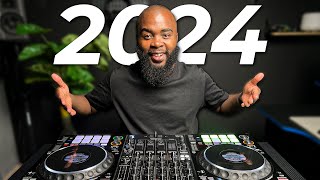
Watch & Learn
Curated videos to help you explore




Helpful Resources
Articles and guides for deeper learning
Frequently Asked Questions
Quick answers to common questions
QWhat kind of education or training is typically needed to become a DJ?
While there are no strict educational requirements, many DJs benefit from learning about music production, sound engineering, and relevant software. Some attend specialized DJ schools or take online courses. Practical experience and a strong understanding of music genres are crucial.
QWhat are the typical work environments for a DJ?
DJs work in a variety of settings, including nightclubs, bars, weddings, private parties, corporate events, festivals, and online radio or streaming platforms. Some DJs also perform in broadcast settings.
QWhat is the job outlook for DJs?
The job outlook for DJs is generally stable, with moderate growth expected. Demand is driven by events and venues that require curated music experiences. However, the field can be competitive, and success often depends on building a reputation and a strong client base.
Explore All 1,500+ Careers
Browse our full career explorer or take an assessment to get personalised recommendations.