Drywall Installer
Also known as: Drywall Mechanic, Wallboard Installer, Plasterboard Installer
Drywall installers, also known as drywallers or plasterboard/wallboard installers, are skilled tradespeople who prepare, hang, and finish drywall panels in residential and commercial buildings. They cut and shape drywall sheets to fit walls and ceilings, creating a clean canvas for painting or other finishes. This role is crucial in both new construction and renovation projects, shaping the interior spaces we live and work in.
10
Skills to Learn
4
Career Levels
5
Top Companies
2
Education Paths
Sneak Peek
Do you enjoy transforming spaces and seeing your handiwork create a smooth, finished look? Imagine being the person who builds the very walls that define rooms and bring structure to buildings!
What does a Drywall Installer do?
Drywall installers, also known as drywallers or plasterboard/wallboard installers, are skilled tradespeople who prepare, hang, and finish drywall panels in residential and commercial buildings. They cut and shape drywall sheets to fit walls and ceilings, creating a clean canvas for painting or other finishes.
- Salary in India
- ₹3 to ₹6 lakh a year
- Demand
- Stable
- Remote work
- Location-Bound
- Industry
- Construction
Is This Career For You?
Discover if your personality matches this career
Your Personality Fit (RIASEC)
You enjoy working with your hands and with tools to build or fix things.
You enjoy working with details and following clear procedures.
You enjoy persuading, leading, or managing others.
You enjoy helping or teaching others.
You enjoy solving problems and working with data or ideas.
You enjoy creative self-expression and working with abstract ideas.
You'll Love This Career If...
Like what you see? Get full access.
Save this career, compare with others, and get your personalized career plan.
50,000+ students already signed up
A Day in the Life
What your typical workday looks like
A typical day for a drywall installer involves arriving at a construction site, reviewing blueprints, and preparing the work area. You
Myth vs Reality
Tap to reveal the truth behind common misconceptions
Skills You'll Need
Master these to excel in this career
Technical Skills
5Installation of drywall
Properly installing drywall sheets on walls and ceilings.
Measuring and cutting drywall
Accurately measuring and cutting drywall to fit specific dimensions.
Applying joint compound
Applying joint compound to seams and corners to create a smooth finish.
Using hand and power tools
Operating various hand and power tools to complete tasks efficiently.
Reading blueprints
Understanding and interpreting construction blueprints and plans.
Soft Skills
4Problem-solving
Identifying and resolving issues that arise during installation.
Attention to detail
Ensuring precise measurements and quality workmanship.
Teamwork
Collaborating with other construction workers and professionals.
Physical stamina
Maintaining the physical strength and endurance required for the job.
Domain Skills
1Construction safety regulations
Adhering to safety standards and protocols on construction sites.
Tools of the Trade
Software and tools you'll work with daily
Platform
Drywall panels
These are large, rigid sheets made of gypsum plaster pressed between two thick sheets of paper, forming the surfaces of interior walls and ceilings.
Ladder or scaffolding
Provides access to higher areas of walls and ceilings for installation and finishing.
Hardware
Utility knife
Used for scoring and cutting drywall panels to size.
Taping knives
Various sizes of flexible metal blades used to apply and smooth joint compound over seams and screw/nail dimples.
Sanding tools
Includes hand sanders or pole sanders with sandpaper or abrasive screens used to smooth joint compound.
Screw gun or drill
A power drill specifically designed for driving drywall screws efficiently and to the correct depth without damaging the paper.
Measuring tape
Essential for accurately measuring and marking drywall panels for cuts.
Level
Used to ensure that drywall panels are hung plumb and level, creating straight walls and ceilings.
Safety glasses
Protects eyes from dust and debris during cutting and sanding.
Dust masks or respirators
Protects lungs from inhaling drywall dust during sanding and cutting.
Want to build these skills?
Get a personalized learning roadmap and save careers that match your profile.
50,000+ students already signed up
Your Learning Path
Step-by-step guide to getting started
Learn the Basics of Construction and Safety
Start by understanding general construction site safety protocols. Learn about common tools, materials, and basic building principles. Many community colleges or vocational schools offer introductory construction courses.
Master Drywall Handling and Cutting
Focus on learning how to safely handle, measure, and cut drywall panels. Practice making straight cuts, curves, and notches. Understand different types of drywall and their uses.
Practice Taping and Finishing Techniques
Learn the art of applying joint compound (mud), embedding drywall tape, and feathering the compound to create smooth seams and cover fasteners. This step requires patience and practice to achieve a seamless finish.
Gain On-the-Job Experience
Seek an apprenticeship or entry-level position with an experienced drywall contractor. Working alongside professionals is the best way to refine your skills, learn best practices, and understand the workflow of real projects.
Career Progression
How your career will grow over time
Drywall Apprentice
EntryA Drywall Apprentice is a beginner learning the basics of drywall installation under supervision.
- Assisting with measuring and cutting drywall
- Learning to use hand and power tools
- Helping to install drywall panels
- Cleaning tools and maintaining a safe work environment
Junior Drywall Installer
Mid-LevelA Junior Drywall Installer is a semi-skilled worker who can perform most drywall installation tasks independently.
- Measuring and cutting drywall panels
- Installing drywall panels on structural frameworks
- Taping and sealing seams
- Collaborating with other trades on construction sites
Senior Drywall Installer
SeniorA Senior Drywall Installer is a skilled professional with extensive experience in drywall installation.
- Leading drywall installation projects
- Training junior installers
- Ensuring high-quality workmanship
- Managing project timelines and budgets
Drywall Installation Supervisor
LeadershipA Drywall Installation Supervisor oversees a team of installers, ensuring projects are completed to high standards.
- Supervising drywall installation teams
- Coordinating with other construction professionals
- Ensuring compliance with safety and quality standards
- Managing project resources and schedules
Education Paths
Post-Secondary Certificate/Diploma
Trade School Certificate
Drywall Installation
Associate Degree
Construction Technology
Construction Management
Top Hiring Companies
Salary & Future Growth
What you can earn and where the industry is headed
Salary Progression (INR)
Future Career OutlookCurrent Market: Stable
Drywall installation is a crucial part of building and renovating spaces, meaning there's a consistent need for skilled installers. The demand is closely tied to the overall health of the construction industry, which can fluctuate but generally remains active.
As construction and renovation projects continue, the demand for drywall installers is expected to remain steady. The need for new housing and commercial spaces, along with ongoing repair and remodeling work, supports a stable job market for this trade.
The long-term outlook for drywall installers is generally stable, as buildings will always require this essential finishing material. While new technologies might emerge, the fundamental need for skilled installation is unlikely to disappear. Adaptability to new materials and techniques will be key.
Not sure if Drywall Installer is right for you?
Talk to a Stride counsellor for personalised guidance on whether this career fits your interests, strengths, and goals.
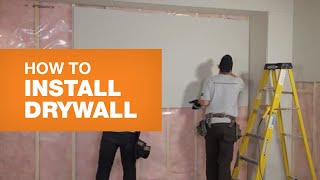
Watch & Learn
Curated videos to help you explore


Helpful Resources
Articles and guides for deeper learning
Frequently Asked Questions
Quick answers to common questions
QWhat are the typical work hours for a drywall installer?
Most drywall installers work a standard 40-hour week, often from Monday to Friday. However, depending on project deadlines and the specific employer, they might sometimes work evenings or weekends.
QIs there a lot of physical labor involved in being a drywall installer?
Yes, the job is physically demanding. It involves lifting heavy drywall sheets, working in awkward positions, and often requires standing, stooping, and kneeling for extended periods.
QWhat kind of safety gear do I need as a drywall installer?
Essential safety gear includes safety glasses, work gloves, sturdy work boots, and sometimes a dust mask or respirator, especially when sanding drywall, to protect against inhaling dust.
Explore All 1,500+ Careers
Browse our full career explorer or take an assessment to get personalised recommendations.