Embedded Systems Firmware Engineer
Also known as: Firmware Engineer, Embedded Engineer, Embedded Software Engineer
As an Embedded Systems Firmware Engineer, you'll be designing, developing, and testing the specialized software that controls the hardware of embedded systems. This involves everything from microcontrollers in everyday appliances to complex systems in automotive and aerospace. You'll write code, integrate it with physical components, and ensure everything runs smoothly and efficiently, often in real-time.
10
Skills to Learn
4
Career Levels
18
Top Companies
2
Education Paths
Sneak Peek
Have you ever wondered how the gadgets and devices you use every day, from your smartphone to your car, actually "think" and operate? What if you could be the one to design the brains behind these technologies?
What does an Embedded Systems Firmware Engineer do?
You'll be designing, developing, and testing the specialized software that controls the hardware of embedded systems. This involves everything from microcontrollers in everyday appliances to complex systems in automotive and aerospace. You'll write code, integrate it with physical components, and ensure everything runs smoothly and efficiently, often in real-time.
- Salary in India
- ₹5 to ₹18 lakh a year
- Demand
- Growing
- Remote work
- Hybrid
- Industry
- Information Technology
Is This Career For You?
Discover if your personality matches this career
Your Personality Fit (RIASEC)
You enjoy working with your hands and on tangible devices, like building and testing circuits or optimizing hardware performance.
You have a strong desire to understand how things work, dig into complex problems, and find innovative solutions, especially at the intersection of hardware and software.
You appreciate structure, attention to detail, and systematic approaches to problem-solving, especially when it comes to reliability and efficiency.
You may take initiative in projects, influence technical decisions, and enjoy problem-solving in a dynamic environment.
You'll collaborate with teams, so communication and teamwork are important, but the role is often more focused on the technical challenge.
While not the primary focus, creativity is valued in designing elegant and efficient code.
You'll Love This Career If...
Like what you see? Get full access.
Save this career, compare with others, and get your personalized career plan.
50,000+ students already signed up
A Day in the Life
What your typical workday looks like
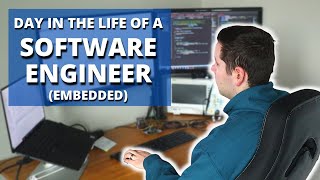
Imagine starting your day by diving into lines of code, troubleshooting a complex issue on a new piece of hardware, or collaborating with a team of engineers to design the next generation of smart devices. You might spend time writing code, testing it on specialized equipment, reviewing designs with colleagues, and documenting your work to ensure everything runs smoothly and efficiently.
Myth vs Reality
Tap to reveal the truth behind common misconceptions
Skills You'll Need
Master these to excel in this career
Technical Skills
7Embedded C and C++
Proficiency in writing efficient code in Embedded C and C++ for embedded systems.
Microcontrollers and Microprocessors
In-depth knowledge of different microcontrollers and microprocessors, including their architecture and instruction sets.
Real-Time Operating Systems (RTOS)
Experience with Real-Time Operating Systems for developing and managing tasks within embedded systems.
Debugging and Testing Proficiency
Familiarity with debugging tools and techniques for ensuring firmware reliability.
Network Protocols
Knowledge of network protocols such as TCP/IP, UDP, CAN, MODBUS, and Bluetooth for efficient communication between embedded devices.
Version Control Systems
Mastery of version control systems like Git for managing changes to source code over time.
Security Awareness
Awareness of security best practices and common threats to ensure embedded systems are protected from attacks.
Soft Skills
3Problem-Solving and Analytical Skills
Skills for diagnosing issues within embedded systems and designing effective solutions.
Communication Skills
Ability to explain technical concepts to non-technical stakeholders and collaborate with multidisciplinary teams.
Continuous Learning and Adaptability
Proactive approach towards learning, adapting to new tools and technologies, and the willingness to upskill continuously.
Tools of the Trade
Software and tools you'll work with daily
Software
C/C++
The primary programming languages used for writing efficient firmware.
IDE (Integrated Development Environment)
Software for writing, compiling, and debugging code (e.g., VS Code with PlatformIO, Eclipse, Keil).
RTOS (Real-Time Operating System)
Operating systems designed for time-critical applications, managing tasks and resources.
Version Control (Git)
Essential for tracking changes in code and collaborating with teams.
Hardware
Microcontrollers (MCUs)
The small computers on a chip that embedded systems run on (e.g., ARM Cortex-M, ESP32).
Debuggers (JTAG/SWD)
Tools used to step through code execution on the target hardware and find bugs.
Oscilloscope
Used to visualize electrical signals and troubleshoot hardware issues.
Logic Analyzer
Helps analyze digital signals and communication protocols.
Platform
ARM Architecture
The instruction set architecture common in many microcontrollers, influencing how software interacts with the processor.
Want to build these skills?
Get a personalized learning roadmap and save careers that match your profile.
50,000+ students already signed up
Your Learning Path
Step-by-step guide to getting started
Master the Basics of C Programming
Get comfortable with C programming, focusing on data types, control structures, pointers, and memory management. This is the foundation for writing efficient firmware. You can use online courses or C programming books.
Understand Computer Architecture and Electronics Fundamentals
Learn how computers work at a basic level (CPU, memory, I/O) and get a grasp of essential electronics concepts like voltage, current, resistance, and how components like resistors, capacitors, and transistors function. Online tutorials and introductory textbooks are great resources.
Explore Microcontrollers and Embedded Development Tools
Get hands-on with a development board like an Arduino or Raspberry Pi Pico. Learn about microcontrollers (MCUs), their peripherals (like timers and communication interfaces), and start using an IDE and debugging tools. Follow beginner-friendly tutorials for your chosen board.
Dive into Embedded Firmware Development Concepts
Start writing simple firmware to control LEDs, read sensors, and implement basic communication protocols (like UART or I2C). Learn about real-time concepts, interrupts, and basic power management techniques. Many online communities and specific courses focus on these areas.
Career Progression
How your career will grow over time
Junior Embedded Systems Firmware Engineer
EntryAssists in designing and developing firmware for embedded systems.
- Collaborate with senior engineers on system design.
- Write and test firmware code.
- Debug and optimize system performance.
- Document development processes and outcomes.
Embedded Systems Firmware Engineer
Mid-LevelDesigns and develops firmware for embedded systems independently.
- Lead firmware development projects.
- Implement complex system features.
- Review and optimize existing firmware.
- Mentor junior engineers.
Senior Embedded Systems Firmware Engineer
SeniorLeads firmware development projects and provides technical guidance.
- Lead cross-functional teams on complex projects.
- Define firmware architecture and standards.
- Ensure system reliability and performance.
- Drive innovation in firmware solutions.
Principal Embedded Systems Firmware Engineer
LeadershipOversees firmware development strategy and technical leadership.
- Set firmware development strategy and goals.
- Lead a team of engineers and managers.
- Ensure alignment with business objectives.
- Drive continuous improvement in firmware processes.
Education Paths
Bachelor's Degree
Electrical Engineering
Master's Degree
Computer Science
Top Hiring Companies
Salary & Future Growth
What you can earn and where the industry is headed
Salary Progression (INR)
Future Career OutlookCurrent Market: Growing
Embedded systems are everywhere, powering devices from smart home gadgets to complex automotive and aerospace technology. The demand for skilled engineers to design, develop, and maintain these systems is growing, making it a field with solid current opportunities.
As the Internet of Things (IoT) continues to expand, and industries like automotive, healthcare, and industrial automation become increasingly reliant on connected and intelligent devices, the need for embedded systems and the engineers who create them will remain strong. Advances in AI and machine learning will also drive further innovation in embedded applications.
The long-term outlook for embedded systems remains very positive as technology continues to integrate more deeply into our lives. From smart cities to advanced robotics and beyond, embedded systems will be the foundational technology enabling these future advancements. Continuous learning and adaptation to new technologies will be key for sustained relevance.
Not sure if Embedded Systems Firmware Engineer is right for you?
Talk to a Stride counsellor for personalised guidance on whether this career fits your interests, strengths, and goals.
Watch & Learn
Curated videos to help you explore




Helpful Resources
Articles and guides for deeper learning
Frequently Asked Questions
Quick answers to common questions
QWhat kind of education is needed to become an Embedded Systems Firmware Engineer?
A bachelor's degree in Computer Engineering, Electrical Engineering, or a related field is typically the starting point. Advanced degrees can be beneficial for specialized roles.
QWhat are the main responsibilities of an Embedded Systems Firmware Engineer?
Responsibilities include designing, developing, testing, and maintaining firmware for embedded devices, ensuring they function correctly and efficiently within a larger system.
QIs this a field that requires constant learning?
Yes, technology in the embedded space evolves rapidly. Staying updated with new hardware, software tools, and programming languages is essential for career growth.
Explore All 1,500+ Careers
Browse our full career explorer or take an assessment to get personalised recommendations.