Facilities Engineer
Also known as: Facility Manager, Building Engineer
Facilities Engineers are the masterminds behind the scenes, ensuring that buildings and industrial sites are safe, functional, and efficient. They oversee the maintenance, operation, and upkeep of all the essential systems that make a facility work, including HVAC (heating, ventilation, and air conditioning), electrical, plumbing, and structural components. Think of them as the ultimate problem-solvers who keep the lights on, the temperature just right, and everything running without a hitch, making sure the environment is perfect for both the people inside and the operations taking place.
8
Skills to Learn
4
Career Levels
8
Top Companies
2
Education Paths
Sneak Peek
Ever wonder who keeps the lights on, the systems running, and the workplace safe and efficient? Facilities Engineers are the behind-the-scenes heroes making sure buildings and operations run smoothly every single day.
What does a Facilities Engineer do?
A Facilities Engineer typically oversees the maintenance, operation, and upkeep of buildings and their systems. This can involve inspecting equipment, troubleshooting issues, managing repair projects, ensuring safety compliance, and coordinating with contractors. The exact tasks vary depending on the type and size of the facility.
- Salary in India
- ₹5 to ₹15 lakh a year
- Demand
- Growing
- Remote work
- Location-Bound
- Industry
- Facility Management
Is This Career For You?
Discover if your personality matches this career
Your Personality Fit (RIASEC)
Enjoys working with tools, machines, and physical environments. Facilities engineers often work with building systems and equipment.
Likes to solve problems, analyze information, and understand how things work. This is key for troubleshooting building systems.
Enjoys organized systems, attention to detail, and working with data. Essential for maintaining building records and schedules.
Likes to lead, persuade, and manage projects. This is useful for managing maintenance and improvement projects.
Enjoys helping others, which can be relevant when ensuring a comfortable and safe environment for building occupants.
Less focused on creative expression and more on practical application of technical knowledge.
You'll Love This Career If...
Like what you see? Get full access.
Save this career, compare with others, and get your personalized career plan.
50,000+ students already signed up
A Day in the Life
What your typical workday looks like
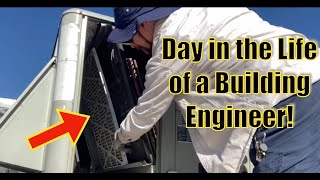
Imagine starting your day with a quick check of the building's systems – making sure the HVAC is optimal, the power is stable, and everything is secure. You might then spend time coordinating with maintenance teams for scheduled repairs, responding to any unexpected issues that pop up, and working on projects to improve energy efficiency or safety protocols. It’s a dynamic role where you’re constantly interacting with different people and ensuring the smooth operation of the entire facility.
Myth vs Reality
Tap to reveal the truth behind common misconceptions
Skills You'll Need
Master these to excel in this career
Technical Skills
4Project Management
Ability to plan, execute, and close projects efficiently.
Facilities Management Software
Proficiency in using software for managing facilities operations.
Budgeting
Skill in creating and managing budgets for facilities projects.
Maintenance Planning
Ability to plan and schedule maintenance activities.
Soft Skills
3Problem-Solving
Skill in identifying issues and developing effective solutions.
Communication
Ability to convey information clearly and effectively.
Teamwork
Capability to work collaboratively with others.
Domain Skills
1Regulatory Compliance
Knowledge of laws and regulations affecting facilities operations.
Tools of the Trade
Software and tools you'll work with daily
Software
Building Management Systems (BMS)
Software used to monitor and control a building's mechanical and electrical equipment, like HVAC and lighting.
Computer-Aided Design (CAD) Software
Used to create and view detailed building plans and system designs.
Project Management Software
Helps in planning, executing, and monitoring maintenance and improvement projects.
CMMS (Computerized Maintenance Management System)
Software for managing maintenance tasks, work orders, and asset information.
Hardware
HVAC Systems
Heating, Ventilation, and Air Conditioning systems that control the indoor climate.
Electrical Systems
Components like generators, switchgear, and wiring that provide power.
Plumbing Systems
Pipes, fixtures, and water management systems within a building.
Energy Meters
Devices used to measure and monitor energy consumption.
Want to build these skills?
Get a personalized learning roadmap and save careers that match your profile.
50,000+ students already signed up
Your Learning Path
Step-by-step guide to getting started
Understand Building Basics
Start by learning the fundamental principles of how buildings are constructed and the basic functions of common systems like HVAC, electrical, and plumbing.
Explore Facility Management Concepts
Dive into the principles of managing facilities, including maintenance strategies, safety protocols, and basic budgeting.
Learn About Building Systems & Technology
Focus on understanding the technical details of HVAC, electrical, plumbing, and fire safety systems. Explore Building Management Systems (BMS) and energy efficiency technologies.
Gain Practical Experience
Seek internships or entry-level positions where you can apply your knowledge, learn from experienced engineers, and get hands-on experience with maintenance and operations.
Career Progression
How your career will grow over time
Facilities Engineer Intern
EntryAssists in facility maintenance tasks under supervision.
- Perform basic maintenance tasks
- Assist in facility inspections
- Maintain inventory of supplies
Junior Facilities Engineer
Mid-LevelManages small-scale facility projects and maintenance tasks.
- Plan and execute maintenance schedules
- Conduct routine facility inspections
- Collaborate with contractors for repairs
Senior Facilities Engineer
SeniorLeads facility projects and ensures regulatory compliance.
- Oversee large-scale facility projects
- Ensure compliance with safety regulations
- Manage facility budgets and resources
Facilities Engineering Manager
LeadershipManages the facilities engineering team and strategic planning.
- Lead the facilities engineering team
- Develop strategic plans for facility management
- Implement sustainability initiatives
Education Paths
Bachelor's Degree
B.Tech
Mechanical Engineering
Master's Degree
M.Tech
Facilities Management
Top Hiring Companies
Salary & Future Growth
What you can earn and where the industry is headed
Salary Progression (INR)
Future Career OutlookCurrent Market: Growing
Facilities Engineers are crucial for ensuring the smooth operation and maintenance of buildings and infrastructure. They manage everything from HVAC systems and electricals to plumbing and structural integrity, making sure workplaces are safe, efficient, and comfortable. This role is vital across various sectors, including commercial real estate, healthcare, education, and manufacturing.
The demand for Facilities Engineers is expected to remain strong, driven by the need to maintain aging infrastructure and implement new technologies for energy efficiency and smart building management. As organizations increasingly focus on sustainability and employee well-being, the role of Facilities Engineers in optimizing building performance will become even more critical.
With the ongoing integration of AI, automation, and data analytics in building management, Facilities Engineers who adapt and upskill will find long-term career stability and growth. The focus will shift towards predictive maintenance, energy optimization, and creating intelligent, human-centered workspaces, ensuring the profession remains relevant and in demand.
Not sure if Facilities Engineer is right for you?
Talk to a Stride counsellor for personalised guidance on whether this career fits your interests, strengths, and goals.
Watch & Learn
Curated videos to help you explore





Helpful Resources
Articles and guides for deeper learning
Frequently Asked Questions
Quick answers to common questions
QIs Facilities Engineering a growing field?
Yes, the field is growing. As infrastructure ages and new technologies emerge for managing buildings more efficiently and sustainably, there's a consistent and increasing need for skilled Facilities Engineers.
QWhat kind of skills are most important for a Facilities Engineer?
Key skills include strong problem-solving abilities, technical knowledge of building systems (like HVAC, electrical, plumbing), project management, communication skills to coordinate with different teams and vendors, and an understanding of safety regulations and sustainability practices.
Explore All 1,500+ Careers
Browse our full career explorer or take an assessment to get personalised recommendations.