Fashion Stylist
Also known as: Fashion Stylist, Image Consultant, Wardrobe Stylist
A fashion stylist is a creative professional who curates and assembles outfits for clients, photoshoots, runway shows, or events. They blend their understanding of current trends with a keen aesthetic sense to create visually compelling looks that align with a specific message or narrative. This role involves working closely with designers, photographers, models, and clients to ensure the final appearance is cohesive and impactful.
5
Skills to Learn
4
Career Levels
19
Top Companies
3
Education Paths
Sneak Peek
Ever looked at a celebrity and wondered how they always nail their outfits, or dreamed of creating those head-turning looks yourself? A fashion stylist is like a visual storyteller, using clothes and accessories to bring a concept or a person's style to life.
What does a Fashion Stylist do?
A fashion stylist is a creative professional who curates and assembles outfits for clients, photoshoots, runway shows, or events. They blend their understanding of current trends with a keen aesthetic sense to create visually compelling looks that align with a specific message or narrative.
- Salary in India
- ₹3.5 to ₹35 lakh a year
- Demand
- Stable
- Remote work
- Hybrid
- Industry
- Fashion
Is This Career For You?
Discover if your personality matches this career
Your Personality Fit (RIASEC)
A fashion stylist needs strong creativity and an eye for aesthetics to create visually appealing looks.
Building a client base, networking, and promoting oneself are key aspects of a fashion stylist's career.
Fashion stylists work closely with clients, designers, photographers, and other creatives, requiring strong interpersonal skills.
While not the primary focus, research and trend analysis involve investigative skills.
The practical aspects of managing logistics and handling garments require some hands-on ability, but it's not the main focus.
Organizational skills and managing schedules are important, but the role is less about routine and more about creative problem-solving.
You'll Love This Career If...
Like what you see? Get full access.
Save this career, compare with others, and get your personalized career plan.
50,000+ students already signed up
A Day in the Life
What your typical workday looks like
Your day could involve anything from visiting showrooms to select pieces for a magazine photoshoot, to meeting with a celebrity client to plan their red carpet look. You might spend hours on set, meticulously arranging clothes on a model, collaborating with the photographer on the best angles, and ensuring every detail is perfect. Other days could be spent researching trends, creating mood boards, or sourcing unique accessories from vintage shops.
Myth vs Reality
Tap to reveal the truth behind common misconceptions
Skills You'll Need
Master these to excel in this career
Technical Skills
3Color theory and body type analysis
Understanding of color combinations and how they suit different body types.
Photography and visual composition
Skills in capturing and composing visually appealing photographs.
Social media marketing
Skills in using social media platforms for marketing and promotion.
Soft Skills
1Client relationship management
Ability to build and maintain strong relationships with clients.
Domain Skills
1Deep understanding of fashion trends
A comprehensive knowledge of current and upcoming fashion trends.
Tools of the Trade
Software and tools you'll work with daily
Software
Mood Boards
Digital or physical collages used to visually communicate a style concept or theme.
Lookbooks
A collection of photographs showcasing a stylist's work, often used to present outfit ideas or a portfolio.
Platform
Social Media Platforms
Used for trend research, self-promotion, networking, and showcasing work (e.g., Instagram, Pinterest).
Hardware
Garment Steamer
Used to quickly remove wrinkles from clothing, ensuring outfits look pristine.
Measuring Tape
Essential for ensuring proper fit and making adjustments to clothing.
Styling Kit
A collection of essential tools like safety pins, double-sided tape, fashion tape, and lint rollers for quick fixes and adjustments.
Want to build these skills?
Get a personalized learning roadmap and save careers that match your profile.
50,000+ students already signed up
Your Learning Path
Step-by-step guide to getting started
Dive into Fashion Fundamentals
Start by immersing yourself in fashion magazines, blogs, and social media. Analyze different styles, understand color theory, and learn about body types. Experiment with putting together outfits for yourself and friends to develop your eye.
Build Your Visual Portfolio
Create a portfolio showcasing your styling abilities. This can include photoshoots you've styled (even if they're conceptual or with friends), curated outfit ideas, and mood boards. Focus on demonstrating your creativity and understanding of different aesthetics.
Gain Practical Experience
Seek internships or assistant roles with established stylists, fashion brands, or styling agencies. This hands-on experience is invaluable for learning the trade, understanding client needs, and building professional connections.
Network and Specialize
Attend industry events, connect with photographers, designers, and other creatives. Consider specializing in a niche like personal styling, editorial, or e-commerce styling as you gain more experience and identify your strengths.
Career Progression
How your career will grow over time
Junior Fashion Stylist
EntryAssists in styling tasks and learns the basics of fashion styling.
- Assist in creating outfits for clients
- Help with photoshoots and events
- Research fashion trends
- Maintain and organize styling kits
Fashion Stylist
Mid-LevelTakes on more responsibility in styling clients and projects.
- Create and execute styling concepts for clients
- Manage budgets and timelines for projects
- Collaborate with designers and photographers
- Build and maintain client relationships
Senior Fashion Stylist
SeniorLeads styling projects and mentors junior stylists.
- Lead styling projects from concept to execution
- Mentor and guide junior stylists
- Develop and maintain strong client relationships
- Stay updated with fashion trends and industry changes
Fashion Stylist Director
LeadershipOversees the styling department and strategic direction.
- Oversee the styling department and its operations
- Develop and implement styling strategies
- Manage a team of stylists
- Collaborate with other departments for cohesive brand image
Education Paths
Post-Secondary Certificate/Diploma
Diploma in Fashion Styling
Fashion Styling
Bachelor's Degree
B.Des in Fashion Styling
Fashion Styling
Master's Degree
M.Des in Fashion Styling
Fashion Styling
Top Hiring Companies
Salary & Future Growth
What you can earn and where the industry is headed
Salary Progression (INR)
Future Career OutlookCurrent Market: Stable
The demand for fashion stylists is projected to remain stable, with opportunities available across various sectors of the fashion industry. While the core role remains consistent, the methods and platforms used to deliver styling services are evolving.
The role of a fashion stylist is expected to adapt to technological advancements and changing consumer behaviors. Increased reliance on digital platforms for consultations and personalized recommendations will likely shape the medium to long-term outlook.
In the long term, fashion stylists who can leverage AI and virtual technologies for client engagement and trend analysis will be well-positioned. The core need for human creativity and expertise in curating personal style will likely persist, but the delivery of services may transform significantly.
Not sure if Fashion Stylist is right for you?
Talk to a Stride counsellor for personalised guidance on whether this career fits your interests, strengths, and goals.
Watch & Learn
Curated videos to help you explore


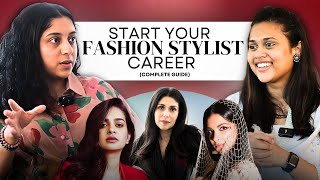
Helpful Resources
Articles and guides for deeper learning
Frequently Asked Questions
Quick answers to common questions
QWhat is the difference between a fashion stylist and a fashion designer?
A fashion designer creates the clothes, while a fashion stylist selects and assembles existing clothing and accessories to create outfits for clients, photoshoots, or events.
QDo I need a degree to become a fashion stylist?
While a degree in fashion, merchandising, or a related field can be beneficial, a strong portfolio, practical experience, and a good eye for style are often more important for aspiring fashion stylists.
QWhat are the typical work environments for a fashion stylist?
Fashion stylists can work in various settings, including retail stores, personal client wardrobes, photoshoots for magazines or advertising, film and television productions, and online platforms.
QHow do fashion stylists stay updated with trends?
They stay updated by reading fashion magazines, following industry news, attending fashion shows, observing street style, and using social media and online trend forecasting resources.
Explore All 1,500+ Careers
Browse our full career explorer or take an assessment to get personalised recommendations.