Freight Broker
Also known as: freight agent, transportation broker
A freight broker acts as a middleman, connecting businesses that need to ship goods (shippers) with transportation providers (carriers) who have trucks or other vehicles to haul them. They don't own the trucks themselves, but they manage the entire process, from negotiating rates and booking loads to tracking shipments and ensuring smooth delivery. It's a role that requires a sharp mind for business, excellent communication skills, and a knack for problem-solving in a fast-paced environment.
8
Skills to Learn
4
Career Levels
5
Top Companies
2
Education Paths
Sneak Peek
Do you love connecting people and solving logistical puzzles? Ever wondered how goods get from a factory to your doorstep, even across the globe? Freight brokers are the master orchestrators behind this complex dance, ensuring that everything from your new sneakers to vital medical supplies reaches its destination efficiently.
What does a Freight Broker do?
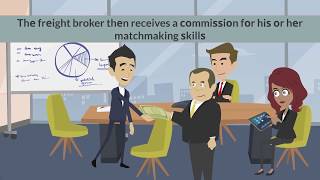
A freight broker acts as a middleman, connecting businesses that need to ship goods (shippers) with transportation providers (carriers) who have trucks or other vehicles to haul them. They don't own the trucks themselves, but they manage the entire process, from negotiating rates and booking loads to tracking shipments and ensuring smooth delivery.
- Salary in India
- ₹3 to ₹8 lakh a year
- Demand
- Growing
- Remote work
- Remote-Friendly
- Industry
- Transportation
Is This Career For You?
Discover if your personality matches this career
Your Personality Fit (RIASEC)
You enjoy leading, persuading, and influencing others, and you're motivated by opportunities for growth and financial reward.
You enjoy helping and working with people, and you're motivated by making a positive impact.
You enjoy organizing, planning, and attention to detail, and you're motivated by structure and predictable outcomes.
You enjoy working with your hands, tools, and machinery, and you're motivated by tangible results.
You enjoy analyzing, learning, and solving problems, and you're motivated by discovery and understanding.
You enjoy creativity, self-expression, and working with abstract ideas, and you're motivated by originality.
You'll Love This Career If...
Like what you see? Get full access.
Save this career, compare with others, and get your personalized career plan.
50,000+ students already signed up
A Day in the Life
What your typical workday looks like
Your day starts with checking emails and calls, lining up potential loads for the week and confirming details with carriers. You might spend time negotiating rates with shippers, finding the best truck for a specific job, and constantly communicating with drivers to get real-time updates on their location. There’s a lot of phone time, problem-solving when unexpected delays pop up, and a constant effort to build strong relationships with both shippers and carriers to keep business moving.
Myth vs Reality
Tap to reveal the truth behind common misconceptions
Skills You'll Need
Master these to excel in this career
Technical Skills
2Market Research
Skill to analyze market trends and pricing data to optimize freight deals.
Digital Tools Proficiency
Familiarity with freight management software and digital platforms.
Soft Skills
4Negotiation
Ability to negotiate terms and prices effectively with shippers and carriers.
Customer Service
Providing excellent service to clients to ensure satisfaction and retention.
Problem-Solving
Ability to resolve disputes and find solutions for logistics challenges.
Communication Skills
Effective verbal and written communication with stakeholders.
Domain Skills
2Logistics Knowledge
Understanding of freight transport processes, regulations, and industry practices.
Regulatory Compliance
Knowledge of transportation laws and regulations to ensure legal compliance.
Tools of the Trade
Software and tools you'll work with daily
Software
Transportation Management System (TMS)
Software to manage loads, track shipments, and streamline operations.
Accounting Software
Tools to manage finances, invoicing, and payments.
Customer Relationship Management (CRM) System
Software to manage interactions with shippers and carriers, track communications, and build relationships.
Platform
Load Boards
Online marketplaces where brokers and carriers connect to find available loads and trucks.
Hardware
High-speed internet and Computer
Essential for communication, research, and operating software.
Business Phone System
For clear and professional communication with clients and carriers.
Want to build these skills?
Get a personalized learning roadmap and save careers that match your profile.
50,000+ students already signed up
Your Learning Path
Step-by-step guide to getting started
Understand the Basics of Logistics
Learn how goods move around the country, the different types of transportation (truck, rail, air, sea), and the key players involved like shippers and carriers.
Complete a Freight Broker Training Program
Take a course that covers essential topics such as licensing, regulations, sales, negotiation, and using industry software. This can be online or in-person.
Get Licensed and Bonded
Understand the legal requirements, including obtaining an FMCSA Operating Authority (MC Number) and securing a surety bond. This ensures you operate legally and builds trust.
Build Your Network and Find Clients
Start connecting with potential clients (shippers) and reliable carriers. Practice your sales and negotiation skills, and use load boards to find initial opportunities.
Career Progression
How your career will grow over time
Freight Clerk
EntryAssisting with basic shipment documentation and learning freight forwarding processes.
- Handling basic shipment documentation.
- Learning freight forwarding processes.
- Assisting with cargo tracking and communication.
Freight Broker
Mid-LevelBooking and coordinating shipments, managing customs clearance, and working with carriers.
- Booking and coordinating shipments.
- Managing customs clearance and compliance.
- Working with carriers and logistics companies.
Senior Freight Broker
SeniorManaging large-scale shipping operations, negotiating contracts, and supervising junior brokers.
- Managing large-scale shipping operations.
- Negotiating contracts with shipping lines and airlines.
- Supervising junior freight brokers.
Freight Forwarding Manager
LeadershipLeading a team of freight brokers, developing logistics strategies, and handling high-value international shipments.
- Leading a team of freight brokers.
- Developing logistics strategies for cost savings.
- Handling high-value international shipments.
Education Paths
Post-Secondary Certificate/Diploma
Logistics Management
No Formal Education
Top Hiring Companies
Salary & Future Growth
What you can earn and where the industry is headed
Salary Progression (INR)
Future Career OutlookCurrent Market: Growing
The freight brokerage industry is a vital part of the supply chain, connecting shippers with carriers. It's a dynamic field that requires strong organizational and communication skills. Success often depends on building a robust network of carriers and understanding market trends to negotiate competitive rates.
The demand for freight brokers is expected to remain strong as the volume of goods transported continues to grow. Technology will play an increasingly important role in optimizing operations and improving efficiency. Brokers who adapt to new technologies and maintain strong relationships within the industry will likely see continued opportunities.
The long-term outlook for freight brokers is positive, driven by global trade and the need for efficient logistics. While automation and AI will reshape some aspects of the job, the core need for human expertise in negotiation, problem-solving, and relationship management will persist. Adaptability and a commitment to continuous learning will be key to sustained success.
Not sure if Freight Broker is right for you?
Talk to a Stride counsellor for personalised guidance on whether this career fits your interests, strengths, and goals.
Watch & Learn
Curated videos to help you explore

![Freight Broker Training - How to Become A Freight Broker in 7 Simple Steps [Step by Step]](https://i.ytimg.com/vi/Huke-ZINzYA/mqdefault.jpg)

Helpful Resources
Articles and guides for deeper learning
Frequently Asked Questions
Quick answers to common questions
QWhat are the biggest challenges in freight brokerage?
Key challenges include fluctuating market rates, managing carrier reliability, preventing fraud, and keeping up with technological advancements and evolving regulations. Building and maintaining trust with both shippers and carriers is also a constant focus.
QHow much does it cost to start a freight brokerage business?
Startup costs can vary significantly. While not requiring a large fleet of trucks, you'll need funds for licensing, insurance, technology (software, computers), and initial operating expenses. Some sources suggest a range from a few thousand to tens of thousands of dollars, depending on the business model and scale.
QDo I need a special license to be a freight broker?
Yes, in the United States, freight brokers typically need to obtain operating authority from the Federal Motor Carrier Safety Administration (FMCSA) and secure a surety bond (often referred to as a BMC-85 bond). Specific requirements can vary by region and are subject to change.
Explore All 1,500+ Careers
Browse our full career explorer or take an assessment to get personalised recommendations.