Geographer
Also known as: geography, geographic
Geographers are like detectives of our planet! They study the Earth's physical features, climate, and the distribution of plants, animals, and people. They analyze how human activities interact with the environment, creating maps, analyzing data using specialized software, and presenting their findings to help with everything from urban planning to understanding natural disasters.
6
Skills to Learn
4
Career Levels
4
Top Companies
3
Education Paths
Sneak Peek
Have you ever looked at a map and wondered why cities are where they are, or how different environments shape the way people live? Geographers are the detectives of our planet, uncovering the connections between the physical world and human societies.
What does a Geographer do?
Geographers study the Earth's physical features, its inhabitants, and the phenomena that occur across its surface. They analyze how people and environments interact, often using maps and data to understand patterns and solve problems.
- Salary in India
- ₹3.6 to ₹10 lakh a year
- Demand
- Growing
- Remote work
- Hybrid
- Industry
- Geography
Is This Career For You?
Discover if your personality matches this career
Your Personality Fit (RIASEC)
Likes to observe, learn, investigate, analyze, or solve problems. Geography involves deep analysis of complex spatial patterns and phenomena.
Likes to work with people, to teach, help, heal, or enlighten others. Geographers often collaborate and communicate findings to diverse audiences.
Likes to work with data, follow procedures, or has clerical duties. Analyzing data, using specific software, and following research methodologies are key.
Enjoys working with tools, machines, or the outdoors. Geographers often use tools to collect and analyze data about the physical world.
Likes to work with people, to lead, convince, manage, or sell. Some geography roles involve project management or communicating findings to stakeholders.
Enjoys creative, unsystematic activities. While not always obvious, cartography and visualizing data can have artistic elements.
You'll Love This Career If...
Like what you see? Get full access.
Save this career, compare with others, and get your personalized career plan.
50,000+ students already signed up
A Day in the Life
What your typical workday looks like
A typical day for a geographer might involve gathering data from various sources like maps, satellite imagery, and field observations. You could be analyzing this information using specialized software to create maps or reports that explain trends, like how urban sprawl is affecting natural habitats or how climate change is impacting coastlines. Then, you might present these findings to businesses, governments, or the public to help them make informed decisions about planning, resource management, or disaster response.
Myth vs Reality
Tap to reveal the truth behind common misconceptions
Skills You'll Need
Master these to excel in this career
Technical Skills
3ArcGIS
A software for creating and analyzing maps.
QGIS
An open-source geographic information system.
Remote Sensing
The process of detecting and monitoring the physical characteristics of an area by measuring its reflected and emitted radiation at a distance.
Soft Skills
2Analytical Thinking
The ability to analyze data and draw meaningful conclusions.
Attention to Detail
The ability to focus on small details and ensure accuracy.
Domain Skills
1Geography
Knowledge of geographic concepts, places, and environments.
Tools of the Trade
Software and tools you'll work with daily
Software
Geographic Information Systems (GIS)
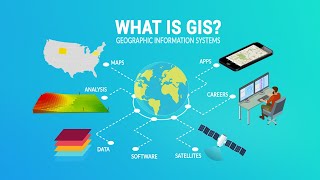
Software used to capture, store, analyze, manage, and display geographically referenced information.
Remote Sensing Software
Tools for analyzing satellite imagery and aerial photographs to gather information about the Earth's surface.
Statistical Software (e.g., R, SPSS)
Programs used for analyzing data, identifying trends, and testing hypotheses.
Cartography Software (e.g., ArcGIS, QGIS)
Applications specifically designed for creating and editing maps.
Hardware
GPS Devices
Global Positioning System devices used for accurate location tracking and data collection in the field.
Drones
Unmanned aerial vehicles used for aerial photography, surveying, and data collection in hard-to-reach areas.
Want to build these skills?
Get a personalized learning roadmap and save careers that match your profile.
50,000+ students already signed up
Your Learning Path
Step-by-step guide to getting started
Explore the Basics of Our Planet
Start by learning about Earth's physical features like mountains, rivers, and climate zones. Understand the different types of maps and how they represent our world. Think about how people live in different environments.
Understand Human-Earth Connections
Dive into how societies interact with their environment. Learn about population distribution, cultural landscapes, and economic activities across different regions. Explore how human actions can impact the planet.
Master Spatial Analysis and Technology
Get familiar with tools like GIS (Geographic Information Systems) and remote sensing. Learn how to collect, analyze, and visualize spatial data to solve real-world problems, from urban planning to environmental monitoring.
Specialize and Apply Your Knowledge
Choose an area of geography that excites you, like environmental science, urban studies, or political geography. Work on projects or internships to gain practical experience and build a portfolio for your future career.
Career Progression
How your career will grow over time
Entry-Level Geographer
EntryBeginner geographers perform basic data collection and analysis tasks under supervision.
- Collect geographic data through fieldwork and digital sources.
- Assist in creating maps and geographic visualizations.
- Support senior geographers in research projects.
Mid-Level Geographer
Mid-LevelExperienced geographers conduct independent research and analysis.
- Conduct field research and collect data.
- Analyze geographic data using GIS software.
- Prepare reports and present findings to stakeholders.
Senior Geographer
SeniorSenior geographers lead projects and mentor junior staff.
- Lead geographic research projects.
- Mentor and supervise junior geographers.
- Develop geographic strategies and solutions.
Geography Department Head
LeadershipDepartment heads oversee the entire geography department and set strategic direction.
- Manage the geography department.
- Set research agendas and strategic goals.
- Collaborate with other departments and external partners.
Education Paths
Bachelor's Degree
Geography
Geography
Master's Degree
Geography
Geography
Doctoral Degree
Geography
Geography
Top Hiring Companies
Salary & Future Growth
What you can earn and where the industry is headed
Salary Progression (INR)
Future Career OutlookCurrent Market: Growing
Geographers are finding diverse opportunities in areas like urban planning, environmental management, and data analysis. The demand for professionals who can analyze spatial data and understand geographical patterns is growing. However, the field is competitive, and staying updated with the latest technologies and methodologies is crucial for success.
The long-term outlook for geographers is positive, driven by increasing global challenges such as climate change, resource management, and urbanization. Advancements in geographic information systems (GIS) and data analytics will continue to open new avenues. Geographers who specialize in areas like remote sensing, spatial modeling, and geographic data science are likely to see strong demand.
In the very long term, the role of geographers will likely expand as our understanding of interconnected global systems deepens. The ability to interpret complex spatial relationships and provide data-driven insights will remain invaluable. Fields like smart city development, sustainable development, and global risk assessment will increasingly rely on geographical expertise.
Not sure if Geographer is right for you?
Talk to a Stride counsellor for personalised guidance on whether this career fits your interests, strengths, and goals.
Watch & Learn
Curated videos to help you explore



Helpful Resources
Articles and guides for deeper learning
Frequently Asked Questions
Quick answers to common questions
QIs geography just about maps?
While maps are an important tool, geography is much more than that. It involves understanding complex systems, analyzing data, and looking at how different parts of the world are connected.
QWhat kind of jobs can I get as a geographer?
Geographers can work in urban and regional planning, environmental consulting, GIS analysis, transportation, international development, and even in fields like marketing and real estate where understanding location is key.
Explore All 1,500+ Careers
Browse our full career explorer or take an assessment to get personalised recommendations.