Help Desk Manager
Also known as: Service Desk Manager, IT Support Manager
A Help Desk Manager leads a team of support specialists who are the first line of defense for anyone experiencing technical difficulties. They ensure that employees and customers receive timely and effective solutions to their IT problems, whether it’s a software glitch, a hardware issue, or a network connection problem. This role involves managing support tickets, training staff, and implementing strategies to improve the overall IT support experience.
10
Skills to Learn
4
Career Levels
5
Top Companies
2
Education Paths
Sneak Peek
Do you enjoy solving puzzles and helping others navigate the tricky world of technology? As a Help Desk Manager, you
What does a Help Desk Manager do?
A Help Desk Manager leads a team of support specialists who are the first line of defense for anyone experiencing technical difficulties. They ensure that employees and customers receive timely and effective solutions to their IT problems, whether it’s a software glitch, a hardware issue, or a network connection problem.
- Demand
- Stable
- Remote work
- Hybrid
- Industry
- Information Technology
Is This Career For You?
Discover if your personality matches this career
Your Personality Fit (RIASEC)
Likes to study and solve problems, often involving data and analytical thinking.
Enjoys structure, organization, and detail-oriented tasks.
Enjoys helping and interacting with people.
Likes to lead, persuade, and influence others.
Enjoys working with tools, machines, and the outdoors. Can involve hands-on problem-solving.
Prefers creative and expressive activities. Less emphasis in this role.
You'll Love This Career If...
Like what you see? Get full access.
Save this career, compare with others, and get your personalized career plan.
50,000+ students already signed up
A Day in the Life
What your typical workday looks like
A typical day for a Help Desk Manager involves starting the day by reviewing the team's performance and overnight tickets. You might then jump on a call to help a team member resolve a particularly tricky technical issue, train new hires on support procedures, or meet with other department heads to discuss upcoming technology needs. You'll spend time analyzing support trends to identify recurring problems and strategizing on how to prevent them in the future, all while ensuring your team feels supported and motivated.
Myth vs Reality
Tap to reveal the truth behind common misconceptions
Skills You'll Need
Master these to excel in this career
Technical Skills
6IT Service Management (ITIL)
Understanding and application of ITIL frameworks for managing IT services.
Help Desk Ticketing Systems
Proficiency in using ticketing systems like ServiceNow, Zendesk, or Freshdesk.
Remote Desktop Support Tools
Experience with tools like TeamViewer or Microsoft Remote Desktop for remote assistance.
Network Fundamentals
Knowledge of network protocols and configurations.
Operating System Troubleshooting
Skills in troubleshooting issues with Windows, macOS, and Linux.
Cloud Services Basics
Understanding of cloud services like Microsoft 365, Google Workspace, and Azure/AWS.
Soft Skills
4Customer Service Orientation
Skill in understanding and addressing user needs and de-escalating situations.
Leadership and Team Management
Abilities to motivate, mentor, and develop a team of support specialists.
Problem-Solving and Decision-Making
Quickly diagnosing technical issues and making informed decisions under pressure.
Communication Skills
Effectively conveying technical information to non-technical users and reporting to management.
Tools of the Trade
Software and tools you'll work with daily
Software
Ticketing System (e.g., Zendesk, ServiceNow)
Used to track, manage, and prioritize user requests and technical issues.
Remote Desktop Software (e.g., TeamViewer, AnyDesk)
Allows the manager and team to access and control users' computers remotely to provide support.
Knowledge Base Software
A repository for solutions to common problems, helping both the team and users find answers quickly.
Communication Platforms (e.g., Slack, Microsoft Teams)
Used for team communication, collaboration, and quick updates.
Network Monitoring Tools
Helps in identifying and diagnosing network issues that may affect users.
Reporting and Analytics Dashboards
Used to track key performance indicators (KPIs) like response time, resolution rate, and user satisfaction.
Want to build these skills?
Get a personalized learning roadmap and save careers that match your profile.
50,000+ students already signed up
Your Learning Path
Step-by-step guide to getting started
Master the Basics of IT Support
Start by understanding fundamental computer hardware, software, and operating systems. Learn about common technical issues and how to troubleshoot them. Online courses and tutorials can be a great starting point.
Develop Customer Service Skills
Focus on communication, active listening, and empathy. Learn how to handle frustrated users calmly and professionally. Practice explaining technical solutions in simple terms.
Learn About IT Service Management (ITSM)
Explore frameworks like ITIL. Understand concepts such as incident management, problem management, and service request fulfillment. This provides a structured approach to IT support.
Gain Experience and Learn Management Basics
Seek entry-level roles in IT support to gain hands-on experience. As you progress, take on more responsibility, learn to delegate tasks, manage your time effectively, and understand team dynamics. Consider courses on leadership and management.
Career Progression
How your career will grow over time
Help Desk Technician
EntryFirst point of contact for technical issues.
- Troubleshoot hardware and software problems
- Provide guidance and technical support to users
- Assist with system updates and network connectivity
Help Desk Support Specialist
Mid-LevelAdvanced technical support roles.
- Resolve more complex technical issues
- Create documentation for common problems
- Work with Tier 2 and Tier 3 support
Service Desk Manager
SeniorOversee the daily operations of the help desk team.
- Assign work to team members
- Monitor ticket queues and performance metrics
- Act as a point of contact between support and other departments
Help Desk Manager
LeadershipLead the help desk team and strategic IT support initiatives.
- Develop and implement IT support strategies
- Manage staff, budget, and vendor relationships
- Optimize processes and tools for better service delivery
Education Paths
Bachelor's Degree
B.Tech
Computer Science
No Formal Education
Top Hiring Companies
Salary & Future Growth
What you can earn and where the industry is headed
Salary Progression (INR)
Future Career OutlookCurrent Market: Stable
Help desk managers oversee IT support teams, ensuring smooth technical operations and user satisfaction. The current landscape involves managing a mix of in-office and remote support, addressing diverse technical issues, and implementing new support tools and strategies.
The demand for IT support is expected to remain strong as businesses increasingly rely on technology. Help desk managers will need to adapt to evolving technologies, manage hybrid workforces, and potentially integrate AI tools to enhance support efficiency. Automation may handle some routine tasks, shifting the manager's focus to complex issues and team development.
As technology continues to advance, the role of the help desk manager will likely evolve. Focus may shift towards strategic implementation of support systems, managing AI-powered support agents, and ensuring seamless integration of new technologies. The ability to adapt to and lead through technological change will be crucial.
Not sure if Help Desk Manager is right for you?
Talk to a Stride counsellor for personalised guidance on whether this career fits your interests, strengths, and goals.
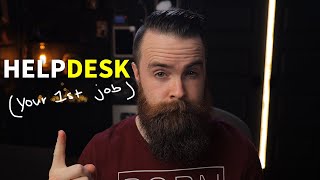
Watch & Learn
Curated videos to help you explore




Helpful Resources
Articles and guides for deeper learning
Frequently Asked Questions
Quick answers to common questions
QWhat are the typical responsibilities of a Help Desk Manager?
Help Desk Managers are responsible for leading a team of IT support specialists, managing daily operations, setting performance standards, training staff, and ensuring timely resolution of technical issues for users.
QWhat skills are most important for a Help Desk Manager?
Key skills include technical proficiency in IT systems, strong problem-solving abilities, excellent communication, leadership, customer service orientation, and project management capabilities.
QWhat is the career outlook for a Help Desk Manager?
The job demand for Help Desk Managers is generally stable, with moderate growth expected as businesses continue to invest in IT infrastructure and remote support solutions. Opportunities may increase with the adoption of new technologies.
QCan a Help Desk Manager work remotely?
Many Help Desk Manager roles can be hybrid or remote, especially in organizations that widely use collaboration tools and have established remote work policies. However, some roles may require occasional in-office presence.
QWhat education or certifications are recommended for a Help Desk Manager?
While a bachelor's degree in Information Technology, Computer Science, or a related field is often preferred, relevant certifications like CompTIA A+, Network+, ITIL, or Microsoft certifications can be highly beneficial and sometimes sufficient.
Explore All 1,500+ Careers
Browse our full career explorer or take an assessment to get personalised recommendations.