Hotel Management Professional
Also known as: Hospitality Manager, Hotel Manager, Lodging Manager
As a hotel management professional, you're the conductor of a hotel's orchestra, ensuring every guest has a seamless and delightful experience. You'll oversee daily operations, manage staff, handle guest services, and ensure the hotel runs smoothly and profitably. This involves everything from making sure the lobby is inviting and the rooms are spotless, to managing reservations, coordinating with the kitchen, and planning events. You are key to creating a welcoming atmosphere and maintaining the hotel's reputation for excellence.
10
Skills to Learn
4
Career Levels
7
Top Companies
2
Education Paths
Sneak Peek
Ever wondered what it takes to make a hotel stay truly unforgettable, from the warm welcome to the sparkling clean room? If you love bringing order to exciting environments and making people feel special, a career in hotel management might be your perfect fit!
What does a Hotel Management Professional do?
You're the conductor of a hotel's orchestra, ensuring every guest has a seamless and delightful experience. You'll oversee daily operations, manage staff, handle guest services, and ensure the hotel runs smoothly and profitably. This involves everything from making sure the lobby is inviting and the rooms are spotless, to managing reservations, coordinating with the kitchen, and planning events.
- Salary in India
- ₹3 to ₹10 lakh a year
- Demand
- Growing
- Remote work
- Location-Bound
- Industry
- Hospitality
Is This Career For You?
Discover if your personality matches this career
Your Personality Fit (RIASEC)
You enjoy leading, persuading, and managing others to achieve goals. In hotel management, this translates to motivating your team, driving sales, and making strategic business decisions.
You like to help, teach, or provide services to others. This is crucial in hotel management for ensuring guests have a wonderful experience and that staff feel supported.
You prefer organized, structured environments and working with data. This applies to managing operations, budgets, and ensuring smooth administrative processes in a hotel.
You are curious, analytical, and enjoy problem-solving. This helps in understanding guest feedback, analyzing performance metrics, and finding innovative solutions to operational challenges.
You appreciate aesthetics and self-expression. While not the primary focus, creativity can be used in designing guest experiences or marketing hotel services.
You enjoy hands-on activities and working with tangible things. While direct 'hands-on' may be less common in management, understanding operational aspects like housekeeping or maintenance is beneficial.
You'll Love This Career If...
Like what you see? Get full access.
Save this career, compare with others, and get your personalized career plan.
50,000+ students already signed up
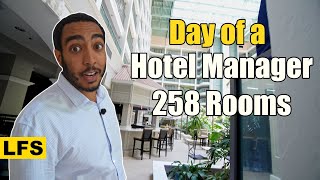
A Day in the Life
What your typical workday looks like
Your day might start with an early morning meeting to discuss guest arrivals and any special requests, followed by checking in with the housekeeping team to ensure rooms are ready. You could be resolving a guest's issue, collaborating with the food and beverage manager on a special event menu, or reviewing the day's financial performance. Later, you might be training a new front desk agent, addressing a maintenance request, or planning marketing initiatives to attract more visitors. The day is a blend of leading your team, interacting with guests, and managing the intricate operations that keep the hotel running like a well-oiled machine.
Myth vs Reality
Tap to reveal the truth behind common misconceptions
Skills You'll Need
Master these to excel in this career
Technical Skills
4Menu Planning
The ability to design menus that cater to various tastes and dietary requirements.
Budget Management
The ability to manage hotel budgets effectively.
Event Coordination
The ability to plan and execute events seamlessly.
Technology Proficiency
Familiarity with hotel management software and systems.
Soft Skills
5Communication
The ability to convey information effectively to guests, staff, and stakeholders.
Organizational Skills
The ability to manage multiple tasks and projects efficiently.
Customer Service
The ability to provide excellent service to guests, ensuring their satisfaction.
Staff Management
The ability to manage and motivate hotel staff.
Problem-Solving
The ability to resolve issues quickly and effectively.
Domain Skills
1Hospitality Knowledge
Understanding of the hospitality industry, including trends and best practices.
Tools of the Trade
Software and tools you'll work with daily
Software
Property Management System (PMS)
Software used to manage bookings, check-ins, billing, guest information, and other hotel operations.
Scheduling Software
Tools to create staff schedules, manage shifts, and ensure adequate coverage while preventing burnout.
Customer Relationship Management (CRM) tools
Systems for managing guest interactions, preferences, and loyalty programs to enhance guest experience.
Point of Sale (POS) Systems
Systems used in restaurants and bars within hotels to manage orders and payments.
Microsoft Excel / Google Sheets
Used for tracking performance metrics, managing budgets, and analyzing data.
Mobile Check-in/Check-out
Technology allowing guests to check in and out using their mobile devices, streamlining operations.
Platform
Online Travel Agency (OTA) Platforms
Platforms like Booking.com or Expedia used for managing online bookings and hotel visibility.
Want to build these skills?
Get a personalized learning roadmap and save careers that match your profile.
50,000+ students already signed up
Your Learning Path
Step-by-step guide to getting started
Explore the Basics of Hospitality
Start by learning about the different sectors within the hospitality industry, such as hotels, restaurants, and tourism. Understand the importance of customer service and basic operational procedures.
Gain Foundational Knowledge in Management
Take courses in business administration, marketing, human resources, and finance. These subjects are key to understanding how to manage a business effectively.
Specialize in Hotel Operations
Focus on subjects specific to hotel management, like front desk operations, housekeeping management, food and beverage services, revenue management, and event planning. Consider internships or entry-level roles to get hands-on experience.
Develop Leadership and Continuous Learning
As you progress, focus on developing leadership skills, strategic thinking, and problem-solving abilities. Stay updated on industry trends, new technologies, and customer preferences through workshops, conferences, and continuous professional development.
Career Progression
How your career will grow over time
Management Trainee
EntryStart in an entry-level role to gain initial experience in hotel operations.
- Assist in various departments
- Learn hotel procedures
- Support senior staff
Front Office Manager
Mid-LevelManage the front desk, concierge, and guest services.
- Oversee check-in/check-out processes
- Handle guest inquiries
- Ensure smooth front office operations
Hotel Manager
SeniorOversee overall hotel operations, staff performance, and guest services.
- Manage budgets and schedules
- Ensure guest satisfaction
- Lead hotel teams
General Manager
LeadershipLead the entire hotel, including finances, brand, and guest experiences.
- Set strategic goals
- Drive innovation
- Influence future hospitality trends
Education Paths
Bachelor's Degree
BHM
Hotel Management
Master's Degree
MHM
Hotel Management
Top Hiring Companies
Salary & Future Growth
What you can earn and where the industry is headed
Salary Progression (INR)
Future Career OutlookCurrent Market: Growing
The hotel management field is dynamic, with a strong emphasis on adapting to new technologies and guest expectations. While sustainability is becoming a standard rather than a differentiator, the industry is embracing AI for personalization and operational efficiency. Revenue management is increasingly driven by data and machine learning to optimize pricing and demand forecasting. The guest experience remains paramount, with a focus on personalized services and digital integration.
The long-term outlook for hotel management appears stable, with continuous evolution driven by technological advancements and changing travel behaviors. As the industry integrates more sophisticated AI and data analytics, professionals who can adapt and leverage these tools will be in demand. The focus on personalized guest experiences and efficient operations will likely continue, ensuring the relevance of skilled management.
Predicting very long-term trends is challenging, but the core principles of hospitality—guest satisfaction, operational efficiency, and financial viability—will remain. The industry will likely see further integration of automation and AI, potentially transforming roles. However, the need for human oversight, strategic decision-making, and exceptional interpersonal skills in managing teams and guest relations will persist, suggesting a continued, albeit evolving, demand for hotel management professionals.
Not sure if Hotel Management Professional is right for you?
Talk to a Stride counsellor for personalised guidance on whether this career fits your interests, strengths, and goals.
Watch & Learn
Curated videos to help you explore



Helpful Resources
Articles and guides for deeper learning
Frequently Asked Questions
Quick answers to common questions
QWhat is the typical education required for hotel management?
A bachelor's degree in Hospitality Management or a related field is common. However, extensive experience combined with an associate's degree or even a high school diploma can also lead to a career in hotel management.
QWhat are the key skills for a hotel manager?
Key skills include leadership, guest service excellence, problem-solving, communication, financial acumen, and adaptability. Technical skills involve proficiency in Property Management Systems (PMS), revenue management software, and POS systems.
QWhat is the work environment like for a hotel manager?
Hotel managers work in a fast-paced environment, primarily on hotel premises. This often involves irregular hours, including evenings, weekends, and holidays, due to the 24/7 nature of hotels.
Explore All 1,500+ Careers
Browse our full career explorer or take an assessment to get personalised recommendations.