Indian Army Soldier/Havildar/JCO
Also known as: PBOR, Personnel Below Officer Rank
As an Indian Army Soldier, Havildar, or Junior Commissioned Officer (JCO), you are the backbone of national defense. Your primary role is to protect India from both external threats, like border aggressions, and internal threats, such as terrorism and armed groups. You may also be deployed in United Nations peacekeeping missions abroad or assist in disaster relief efforts during natural calamities or major accidents. Your specific duties and deployments depend on your rank and the corps you are assigned to, ranging from combat roles to support functions.
6
Skills to Learn
3
Career Levels
1
Top Companies
3
Education Paths
Sneak Peek
Do you have what it takes to protect your nation and serve with honor? Imagine a career where every day is a new challenge, and your actions directly impact the safety and security of millions.
What does an Indian Army Soldier/Havildar/JCO do?
As an Indian Army Soldier, Havildar, or Junior Commissioned Officer (JCO), you are the backbone of national defense. Your primary role is to protect India from both external threats, like border aggressions, and internal threats, such as terrorism and armed groups. You may also be deployed in United Nations peacekeeping missions abroad or assist in disaster relief efforts during natural calamities or major accidents.
- Salary in India
- ₹5 to ₹12 lakh a year
- Demand
- Stable
- Remote work
- Location-Bound
- Industry
- Military and Defense
Is This Career For You?
Discover if your personality matches this career
Your Personality Fit (RIASEC)
You enjoy hands-on work, practical tasks, and being outdoors. Soldiers often engage in physical training, operate equipment, and work in various environments.
You enjoy helping others, teamwork, and clear communication. The Army is built on camaraderie and requires strong interpersonal skills.
You are persuasive, enjoy leadership, and taking initiative. Soldiers often take on leadership roles and are expected to be proactive.
You are curious, analytical, and enjoy solving problems. Soldiers need to analyze situations, plan strategies, and adapt to new challenges.
You prefer structured environments and following procedures. The military operates with strict protocols and discipline.
This role typically doesn't heavily rely on artistic skills.
You'll Love This Career If...
Like what you see? Get full access.
Save this career, compare with others, and get your personalized career plan.
50,000+ students already signed up
A Day in the Life
What your typical workday looks like
Your day could begin before sunrise with physical training, followed by drills and weapons training. Depending on your unit and location, you might be involved in patrolling border areas, participating in counter-insurgency operations, or undergoing specialized training. You could also be engaged in maintaining equipment, managing logistics, or providing first aid during rescue operations. Evenings might involve planning for the next day, team briefings, or personal study, all within a disciplined and structured routine.
Myth vs Reality
Tap to reveal the truth behind common misconceptions
Skills You'll Need
Master these to excel in this career
Technical Skills
2Physical Fitness
The ability to perform strenuous physical activities and maintain a high level of physical fitness.
Weapon Handling
Proficiency in handling and maintaining military weapons.
Soft Skills
3Discipline
Adherence to rules, regulations, and military protocol.
Teamwork
The ability to work effectively with others in a team environment.
Leadership
The ability to lead and inspire others, especially in high-stress situations.
Domain Skills
1Strategic Thinking
The ability to think critically and make decisions in complex and dynamic situations.
Tools of the Trade
Software and tools you'll work with daily
Hardware
Rifles and Firearms
Standard issue weapons for self-defense and combat operations.
Communication Systems
Radios, satellite phones, and encrypted devices for coordinating with units.
Vehicles (Tanks, APCs, Trucks)
Transport and combat vehicles used for troop movement, logistics, and warfare.
Navigation Equipment (GPS, Maps, Compass)
Tools for determining location and navigating terrain, especially in remote areas.
Field Medical Kits
Essential supplies for providing immediate medical aid in the field.
Uniform and Protective Gear
Standardized clothing and equipment offering protection against the elements and hazards.
Want to build these skills?
Get a personalized learning roadmap and save careers that match your profile.
50,000+ students already signed up
Your Learning Path
Step-by-step guide to getting started
Understand the Commitment
Learn about the core values, discipline, and the significant commitment required. Explore the different branches and roles within the Indian Army to see where your interests might align.
Physical and Mental Preparation
Focus on building physical fitness through regular exercise, including running, strength training, and endurance activities. Develop mental resilience by practicing discipline and focus.
Enlistment and Basic Training
Understand the enlistment process and the challenges of basic military training (recruitment rally, written exams, medical tests, SSB interview). This is where you learn fundamental soldiering skills, discipline, and teamwork.
Specialization and Continuous Learning
After basic training, you'll undergo specialized training for your chosen role (e.g., infantry, artillery, signals). Embrace ongoing training and skill development throughout your career to adapt to new technologies and strategies.
Career Progression
How your career will grow over time
Indian Army Soldier
EntryNew recruits in the Indian Army who undergo basic training and start their military career.
- Undergo basic military training
- Perform guard duties
- Participate in drills and exercises
Havildar
Mid-LevelA non-commissioned officer responsible for leading small units and ensuring discipline.
- Lead small units
- Ensure discipline and order
- Supervise junior soldiers
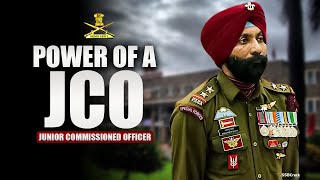
Junior Commissioned Officer (JCO)
SeniorA senior non-commissioned officer who acts as a bridge between officers and enlisted personnel.
- Implement strategic directives
- Foster camaraderie among troops
- Communicate orders and feedback
Education Paths
Upper Secondary
Post-Secondary Certificate/Diploma
Bachelor's Degree
Top Hiring Companies
Salary & Future Growth
What you can earn and where the industry is headed
Salary Progression (INR)
Future Career OutlookCurrent Market: Stable
The demand for soldiers, havildars, and junior commissioned officers (JCOs) in the Indian Army is consistently stable, with a continuous need for recruitment to maintain force strength and operational readiness. Opportunities exist across various roles and specializations within the army.
The Indian Army is undergoing modernization, which may lead to shifts in required skills and roles. While the overall need for personnel remains, there could be an increased emphasis on technical and specialized roles. Opportunities for promotion to higher ranks, including JCO and officer cadres, are available through dedicated selection processes and career progression paths.
The long-term outlook for soldiers, havildars, and JCOs in the Indian Army is expected to remain stable, driven by national security imperatives. Technological advancements will likely shape the nature of duties, potentially increasing the demand for personnel with specialized technical skills. The career offers long-term service, pension benefits, and a structured progression, ensuring continued relevance.
Not sure if Indian Army Soldier/Havildar/JCO is right for you?
Talk to a Stride counsellor for personalised guidance on whether this career fits your interests, strengths, and goals.
Watch & Learn
Curated videos to help you explore


Helpful Resources
Articles and guides for deeper learning
Frequently Asked Questions
Quick answers to common questions
QWhat are the typical duties of an Indian Army soldier?
Duties can vary widely depending on the role and unit, but generally include maintaining physical fitness, undergoing rigorous training, operating military equipment, participating in drills and exercises, and potentially deploying to various operational areas for national security missions.
QWhat is the difference between a Soldier, Havildar, and JCO?
A Soldier is typically an entry-level recruit. A Havildar is a Non-Commissioned Officer (NCO) who has been promoted from the soldier rank and holds leadership responsibilities. A Junior Commissioned Officer (JCO) is a rank above Havildar, often serving as a bridge between NCOs and commissioned officers, with significant leadership and administrative duties.
QAre there opportunities for women in the Indian Army as soldiers, havildars, or JCOs?
Yes, women can join the Indian Army in various roles, including in combat support arms and combat arms, with avenues for promotion to Havildar and JCO ranks based on merit and service, subject to evolving policies and specific recruitment drives.
QWhat are the benefits of serving in the Indian Army?
Benefits include job security, a stable salary, comprehensive healthcare, accommodation, pension after service, educational opportunities, and the honor of serving the nation. There are also various allowances and welfare schemes for soldiers and their families.
Explore All 1,500+ Careers
Browse our full career explorer or take an assessment to get personalised recommendations.