International Relations Specialist
Also known as: Foreign Service Officer, Diplomat, International Affairs Specialist
As an international relations specialist, you are your country's official representative on the global stage. Your main job is to manage your nation's external affairs, which includes everything from diplomacy and trade to cultural relations. You'll work in embassies, consulates, and international organizations, like the UN, to build and maintain positive political, economic, and cultural relationships with other countries, all while safeguarding the interests of your fellow citizens abroad.
10
Skills to Learn
4
Career Levels
9
Top Companies
6
Education Paths
Sneak Peek
Do you enjoy diving into current events and understanding how different countries interact? If you
What does an International Relations Specialist do?
You are your country's official representative on the global stage. Your main job is to manage your nation's external affairs, which includes everything from diplomacy and trade to cultural relations. You'll work in embassies, consulates, and international organizations, like the UN, to build and maintain positive political, economic, and cultural relationships with other countries, all while safeguarding the interests of your fellow citizens abroad.
- Salary in India
- ₹3.5 to ₹12 lakh a year
- Demand
- Growing
- Remote work
- Hybrid
- Industry
- International Relations
Is This Career For You?
Discover if your personality matches this career
Your Personality Fit (RIASEC)
You enjoy research, analysis, and problem-solving, which are key to understanding complex global issues.
You are interested in helping others and understanding different cultures, essential for diplomacy and international cooperation.
You are persuasive and enjoy influencing others, which can be useful in negotiations and advocating for your country's interests.
You are organized and detail-oriented, important for managing agreements and diplomatic procedures.
While not a primary focus, creativity can be helpful in finding novel solutions to international challenges.
This role involves less hands-on, physical work and more intellectual and interpersonal engagement.
You'll Love This Career If...
Like what you see? Get full access.
Save this career, compare with others, and get your personalized career plan.
50,000+ students already signed up
A Day in the Life
What your typical workday looks like
Imagine starting your day by reading news from around the globe, looking for trends that might affect your country's relationships with others.
Myth vs Reality
Tap to reveal the truth behind common misconceptions
Skills You'll Need
Master these to excel in this career
Technical Skills
3Analytical Skills
Ability to analyze complex data and information to make informed decisions.
Research Skills
Conducting thorough research on international issues and policies.
Policy Analysis
Analyzing and evaluating international policies and agreements.
Soft Skills
5Negotiation Skills
Ability to negotiate and resolve conflicts in international contexts.
Cultural Awareness
Understanding and respecting cultural differences to build relationships.
Communication Skills
Effective verbal and written communication in multiple languages.
Diplomacy
Ability to navigate and manage complex international relations.
Conflict Resolution
Resolving international disputes and conflicts peacefully.
Domain Skills
2Language Proficiency
Fluency in multiple languages to communicate effectively in international settings.
Global Awareness
Understanding global political, economic, and social issues.
Tools of the Trade
Software and tools you'll work with daily
Software
Political Science & International Relations Databases
Online resources for accessing academic journals, research papers, and reports on global affairs.
Secure Communication Tools
Platforms for confidential communication and data sharing, crucial for sensitive diplomatic and policy work.
Data Analysis Software (e.g., Excel, R)
Software used to analyze statistical data, economic trends, and social indicators for policy recommendations.
Video Conferencing Platforms (e.g., Zoom, Teams)
Tools used for virtual meetings, negotiations, and collaborations with international partners across different locations.
Platform
News Aggregators & Global Media Outlets
Tools to stay updated on current events, political developments, and public opinion worldwide.
Think Tanks & Research Institutions' Reports
Publications and policy briefs from expert organizations that provide in-depth analysis on specific international issues.
Want to build these skills?
Get a personalized learning roadmap and save careers that match your profile.
50,000+ students already signed up
Your Learning Path
Step-by-step guide to getting started
Explore Global Issues
Start by reading news from reputable international sources like the BBC, Reuters, or Associated Press. Watch documentaries and read introductory books about world history, different cultures, and major global challenges like climate change or economic inequality.
Understand Core Concepts
Take introductory online courses or read textbooks on international relations, political science, and economics. Learn about key concepts like sovereignty, diplomacy, international law, globalization, and different political systems.
Develop Analytical Skills
Practice analyzing news articles or case studies from an international relations perspective. Try to identify the interests of different countries, potential conflicts, and possible solutions. Learn basic research methods and how to cite sources.
Gain Experience and Network
Look for internships at NGOs, think tanks, or government offices involved in international affairs. Attend virtual or in-person lectures and events on global topics. Consider pursuing a degree in International Relations, Political Science, or a related field.
Career Progression
How your career will grow over time
International Relations Analyst
EntryEntry-level position focused on gathering and analyzing information related to international affairs.
- Conducting research on global political, economic, and social issues
- Analyzing data to identify trends and patterns
- Preparing reports and briefings for senior staff
International Relations Specialist
Mid-LevelMid-level position responsible for developing and implementing international policies and strategies.
- Coordinating with international partners and stakeholders
- Managing international projects and initiatives
- Providing expert advice on international issues
Senior International Relations Specialist
SeniorSenior-level position overseeing international programs and initiatives.
- Leading a team of international relations professionals
- Developing and managing international budgets
- Representing the organization in international forums and negotiations
Director of International Relations
LeadershipLeadership position responsible for setting the overall strategy and direction for international relations.
- Developing and implementing long-term international strategies
- Overseeing the work of multiple international relations teams
- Reporting to senior management and stakeholders on international activities
Education Paths
Post-Secondary Certificate/Diploma
Associate Degree
Bachelor's Degree
Bachelor of Arts
International Relations
Master's Degree
Master of Arts
International Relations
Professional Degree
Doctoral Degree
Doctor of Philosophy
International Relations
Top Hiring Companies
Salary & Future Growth
What you can earn and where the industry is headed
Salary Progression (INR)
Future Career OutlookCurrent Market: Growing
The current demand for International Relations Specialists is moderate, with a growing need for professionals who can navigate complex global issues. Opportunities exist in government, non-profits, and international organizations.
The medium to long-term outlook for International Relations Specialists is positive. As global interconnectedness increases and challenges like climate change and economic instability become more prominent, the need for experts in diplomacy, policy analysis, and cross-cultural communication will likely expand.
In the very long term, the role of International Relations Specialists is expected to remain crucial. The ability to foster understanding and cooperation between nations, manage international conflicts, and address global challenges will be essential for maintaining peace and stability.
Not sure if International Relations Specialist is right for you?
Talk to a Stride counsellor for personalised guidance on whether this career fits your interests, strengths, and goals.
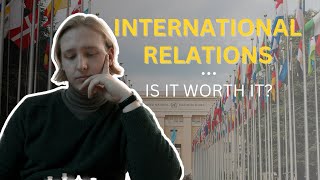
Watch & Learn
Curated videos to help you explore




Helpful Resources
Articles and guides for deeper learning
Frequently Asked Questions
Quick answers to common questions
QWhat kind of organizations hire International Relations Specialists?
International Relations Specialists can find employment in government agencies (like foreign ministries), international organizations (such as the UN), non-governmental organizations (NGOs) focusing on global issues, multinational corporations, think tanks, and academic institutions.
QWhat are the typical day-to-day tasks of an International Relations Specialist?
Day-to-day tasks can include researching foreign policy, analyzing global trends, drafting reports and policy recommendations, attending meetings and conferences, liaising with foreign officials, and managing international projects or programs.
QWhat educational background is usually required for this role?
A bachelor's degree in International Relations, Political Science, Economics, or a related field is typically required. Many positions also benefit from or require a master's degree, especially for specialized roles or research positions.
Explore All 1,500+ Careers
Browse our full career explorer or take an assessment to get personalised recommendations.