Investment Fund Manager
Also known as: Fund Manager, Portfolio Manager, Investment Manager, Asset Manager
An investment fund manager is a financial professional who makes key decisions about where to invest money for a fund, aiming to achieve specific financial goals for investors. They analyze market trends, economic data, and company performance to construct and manage portfolios of stocks, bonds, and other assets. Whether it's an individual or a team, their expertise is crucial in growing investments while managing risks.
8
Skills to Learn
4
Career Levels
7
Top Companies
2
Education Paths
Sneak Peek
Ever wondered how people make their money grow in the stock market? Do you enjoy analyzing trends and making informed decisions? If so, a career as an investment fund manager might be your perfect fit!
What does an Investment Fund Manager do?
An investment fund manager decides where to invest money for a fund, aiming to make it grow over time. They research different investment options like stocks and bonds, and make decisions on what to buy and sell to meet the fund's goals.
- Salary in India
- ₹10 to ₹30 lakh a year
- Demand
- Growing
- Remote work
- Hybrid
- Industry
- Finance
Is This Career For You?
Discover if your personality matches this career
Your Personality Fit (RIASEC)
Enjoys analyzing data, researching market trends, and understanding complex financial systems.
Driven to make profitable decisions, persuade others, and lead investment strategies.
Values accuracy, organization, and systematic processes in managing financial records and reports.
Enjoys practical application of knowledge but is more focused on analysis and strategy than hands-on tasks.
Interactions are primarily professional and client-focused, not centered on helping or teaching.
Less focused on creative expression, more on logical and quantitative analysis.
You'll Love This Career If...
Like what you see? Get full access.
Save this career, compare with others, and get your personalized career plan.
50,000+ students already signed up
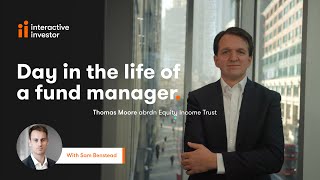
A Day in the Life
What your typical workday looks like
A typical day for a fund manager involves diving deep into market analysis, reviewing company financial reports, and staying updated on global economic news. You might spend time in meetings with analysts, discussing investment strategies, and making decisions about buying or selling assets within the fund’s portfolio. It’s a dynamic role that requires constant attention to market changes and the fund’s performance.
Myth vs Reality
Tap to reveal the truth behind common misconceptions
Skills You'll Need
Master these to excel in this career
Technical Skills
2Financial Modeling
Creating models to predict financial performance.
Portfolio Management
Managing a collection of investments to achieve specific financial goals.
Soft Skills
3Communication Skills
Effectively conveying complex financial information.
Analytical Thinking
Using data to make informed decisions.
Leadership Skills
Guiding and motivating a team.
Domain Skills
3Investment Strategy
Developing and executing strategies to maximize returns.
Market Analysis
Analyzing market trends to inform investment decisions.
Regulatory Knowledge
Understanding financial regulations and compliance.
Tools of the Trade
Software and tools you'll work with daily
Software
Mutual Fund Calculator
Helps estimate potential investment returns based on investment amount, duration, and expected interest rates.
Financial Data Terminals (e.g., Bloomberg Terminal)
Provides real-time financial market data, news, and analytical tools essential for investment research and decision-making.
Portfolio Management Software
Used to track, analyze, and manage investment portfolios, including performance, asset allocation, and risk.
Spreadsheet Software (e.g., Microsoft Excel)
Essential for data analysis, modeling, and creating financial reports.
Want to build these skills?
Get a personalized learning roadmap and save careers that match your profile.
50,000+ students already signed up
Your Learning Path
Step-by-step guide to getting started
Understand the Basics of Finance and Economics
Start by learning fundamental economic principles, how markets work, and basic financial terms. Think of it like learning the alphabet before you can read a book.
Learn About Investment Vehicles
Explore different types of investments like stocks, bonds, and mutual funds. Understand what they are, how they make money, and the risks involved.
Develop Analytical and Quantitative Skills
Practice using tools like spreadsheets to analyze data. Learn basic statistics and how to interpret financial statements to make informed decisions.
Gain Practical Experience and Certifications
Consider internships or entry-level roles in finance. Pursue relevant certifications like the CFA (Chartered Financial Analyst) to build credibility and expertise.
Career Progression
How your career will grow over time
Junior Analyst
EntryPerforms basic research and analysis of investment opportunities.
- Research new investment opportunities
- Monitor active funds
- Generate new leads
Analyst
Mid-LevelEvaluates existing funds and creates financial models.
- Evaluate existing funds
- Create financial models
- Research new investment opportunities
Senior Analyst
SeniorOversees the work of junior analysts and manages complex investment strategies.
- Oversee junior analysts
- Manage complex investment strategies
- Present findings to senior management
Investment Fund Manager
LeadershipLeads the investment team and makes high-level investment decisions.
- Lead investment team
- Make high-level investment decisions
- Manage client relationships
Education Paths
Bachelor's Degree
Finance
Finance
Post-Secondary Certificate/Diploma
CFA
Finance
Top Hiring Companies
Salary & Future Growth
What you can earn and where the industry is headed
Salary Progression (INR)
Future Career OutlookCurrent Market: Growing
Investment fund managers are currently experiencing a dynamic environment with evolving investor expectations and technological advancements. While facing fee pressures and consolidation, there are opportunities in product innovation and adapting to new investor demographics.
The medium to long-term outlook for investment fund managers suggests continued industry evolution. Mega managers are expected to capture a larger market share, while smaller firms may face consolidation. Adaptability to technological changes, including AI, and catering to diverse investor needs (e.g., socially conscious investing) will be key for sustained growth.
The very long-term prospect depends heavily on the industry's ability to navigate technological disruptions, shifting global economic conditions, and changing societal values. Those who can effectively leverage AI, offer personalized and value-aligned investment products, and maintain operational efficiency are likely to thrive.
Not sure if Investment Fund Manager is right for you?
Talk to a Stride counsellor for personalised guidance on whether this career fits your interests, strengths, and goals.
Watch & Learn
Curated videos to help you explore


Helpful Resources
Articles and guides for deeper learning
Frequently Asked Questions
Quick answers to common questions
QWhat skills are most important for an investment fund manager?
Key skills include strong analytical abilities, understanding of financial markets, decision-making skills, communication to explain strategies, and knowledge of relevant technology.
QWhat is the typical career path for an investment fund manager?
The path often starts with analyst roles, moving to portfolio management, and then to managing larger or more specialized funds. Continuous learning and professional certifications are important throughout.
QWhat are the biggest challenges facing investment fund managers today?
Challenges include intense competition, pressure to lower fees, the rise of passive investing, adapting to new technologies like AI, and meeting diverse and evolving investor expectations.
QCan investment fund managers work remotely?
While some aspects of the job can be done remotely, especially analysis and communication, many roles involve in-person meetings, market monitoring, and require a presence in financial hubs. Therefore, a hybrid work model is often feasible.
Explore All 1,500+ Careers
Browse our full career explorer or take an assessment to get personalised recommendations.