Library Assistant
Also known as: Library Aide, Library Technician, Library Clerk
A Library Assistant is the friendly, organizational heart of the library, working behind the scenes and on the front lines to help everyone access information and resources. They support librarians by managing the day-to-day tasks that keep the library running smoothly, from checking books in and out and organizing shelves to helping visitors find materials and use library technology. It's a role focused on customer service, organization, and a love for connecting people with knowledge.
8
Skills to Learn
4
Career Levels
4
Top Companies
4
Education Paths
Sneak Peek
Do you love books and helping people find the information they need? Imagine a job where you can be surrounded by stories and knowledge, all while assisting others in their quest for discovery. A role in a library might be the perfect fit for you!
What does a Library Assistant do?
A Library Assistant is the friendly, organizational heart of the library, working behind the scenes and on the front lines to help everyone access information and resources. They support librarians by managing the day-to-day tasks that keep the library running smoothly, from checking books in and out and organizing shelves to helping visitors find materials and use library technology.
- Salary in India
- ₹2.5 to ₹7 lakh a year
- Demand
- Stable
- Remote work
- Location-Bound
- Industry
- Information Technology
Is This Career For You?
Discover if your personality matches this career
Your Personality Fit (RIASEC)
Enjoy helping and interacting with people.
Enjoy structure, order, and detailed work.
Curious and enjoy research and problem-solving.
Enjoy working with your hands and practical tasks.
Enjoy leading and persuading others.
Creative and enjoy self-expression.
You'll Love This Career If...
Like what you see? Get full access.
Save this career, compare with others, and get your personalized career plan.
50,000+ students already signed up
A Day in the Life
What your typical workday looks like
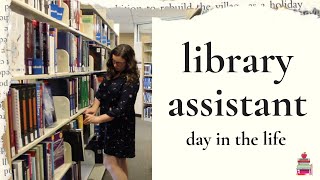
Your day might start with checking in returned books and making sure they are ready to be reshelved. You could spend time helping patrons locate specific books or databases, answering questions about library services, and assisting with computer use. You might also be involved in organizing and preparing materials for library programs or events, ensuring everything runs smoothly for a fantastic community experience.
Myth vs Reality
Tap to reveal the truth behind common misconceptions
Skills You'll Need
Master these to excel in this career
Technical Skills
3Organization
Skill in arranging books and materials systematically.
Information Retrieval
Knowledge of various methods to locate information.
Computer Literacy
Proficiency in using library management software.
Soft Skills
4Communication
Ability to interact effectively with patrons and staff.
Patience
Ability to handle inquiries and requests calmly.
Customer Service
Skill in providing excellent service to library patrons.
Attention to Detail
Ability to notice small details in organizing materials.
Domain Skills
1Knowledge of Library Systems
Understanding of how library systems work.
Tools of the Trade
Software and tools you'll work with daily
Software
Library Management System (LMS) / Integrated Library System (ILS)
Software used to manage library collections, patron accounts, and circulation (checking books in and out).
Digital Catalog
An online searchable database of a library's collection.
Hardware
Public Access Computers
Computers available for patrons to use for research, accessing online resources, or general internet use.
Scanners
Used to scan library barcodes for checking materials in/out or for inventory.
Printers and Copiers
For printing documents and making copies for patrons.
Platform
Online Databases and E-resources
Digital collections of journals, articles, e-books, and other research materials accessible through the library.
Want to build these skills?
Get a personalized learning roadmap and save careers that match your profile.
50,000+ students already signed up
Your Learning Path
Step-by-step guide to getting started
Explore Your Interests
Start by thinking about what you enjoy. Do you like helping people, organizing things, or using computers? Reflecting on these can point you towards a good fit.
Get a High School Diploma or GED
This is the foundation for most jobs. Focus on developing strong reading, writing, and basic computer skills.
Gain Experience
Look for opportunities like volunteering at your local library or taking on customer service roles. This helps you learn practical skills and shows your commitment.
Consider Further Education or Certification
While not always required, a bachelor's degree in fields like English or Information Science can open more doors. Explore library assistant certifications or programs for specialized knowledge.
Career Progression
How your career will grow over time
Library Assistant
EntryProvides support to patrons, maintains library collections, and performs various tasks such as shelving books and checking materials in and out.
- Assist patrons in finding materials
- Shelve books and manage library collections
- Check materials in and out
- Help organize and run library events
Senior Library Assistant
Mid-LevelTakes on more responsibilities, including supervising junior staff and managing specific library projects.
- Supervise junior staff
- Manage specific library projects
- Assist in planning library events
- Provide advanced support to patrons
Librarian
SeniorManages the library, oversees operations, and develops library programs and services.
- Manage library operations
- Develop library programs and services
- Supervise library staff
- Engage with the community to promote library use
Library Manager
LeadershipLeads the library, sets strategic goals, and ensures the library meets its mission and objectives.
- Set strategic goals for the library
- Ensure the library meets its mission and objectives
- Manage library budget and resources
- Lead and motivate library staff
Education Paths
Upper Secondary
High School Diploma
Post-Secondary Certificate/Diploma
Library Science Certificate
Library Science
Bachelor's Degree
Bachelor's Degree
Library Science or Related Field
Master's Degree
Master's Degree
Library Science or Related Field
Top Hiring Companies
Salary & Future Growth
What you can earn and where the industry is headed
Salary Progression (INR)
Future Career OutlookCurrent Market: Stable
Library assistants help patrons find books and resources, manage library collections, and assist with various library programs. The role involves a mix of customer service, organizational tasks, and supporting information access. In the current landscape, libraries are evolving to offer more digital resources and community programs, making the role dynamic.
The demand for library assistants is expected to remain steady as libraries continue to be vital community hubs. With the increasing reliance on digital information and the need for digital literacy support, library assistants who can adapt to new technologies and assist patrons with online resources will be highly valued. Libraries are also expanding their roles in offering educational workshops and community services, which will create new opportunities.
The long-term outlook for library assistants is stable, with a potential for growth in specialized areas. As information continues to diversify across physical and digital formats, the need for skilled individuals to organize, manage, and help the public navigate these resources will persist. The evolving nature of libraries as community centers for learning, technology access, and cultural programming suggests a continued need for dedicated support staff.
Not sure if Library Assistant is right for you?
Talk to a Stride counsellor for personalised guidance on whether this career fits your interests, strengths, and goals.
Watch & Learn
Curated videos to help you explore


Helpful Resources
Articles and guides for deeper learning
Frequently Asked Questions
Quick answers to common questions
QWhat is the typical work schedule for a library assistant?
Library assistants often work part-time, with schedules that can vary. Evening and weekend hours are common, especially during the school year or periods leading up to standardized tests. Some positions may offer more regular hours, while others require flexibility.
QWhat are the educational requirements to become a library assistant?
While requirements vary, many library assistant positions prefer or require some college coursework, particularly in subjects related to library science or information management. Some employers may offer on-the-job training, while others may look for candidates with a specific degree or certification.
QCan library assistants work remotely?
Typically, library assistant roles are location-bound due to the hands-on nature of assisting patrons and managing physical materials. However, some tasks related to digital collection management or online patron support might offer hybrid or remote possibilities in certain institutions.
Explore All 1,500+ Careers
Browse our full career explorer or take an assessment to get personalised recommendations.