Logistics And Operations Executive
Also known as: Logistics Executive, Operations Executive, Supply Chain Coordinator, Logistics Manager
As a Logistics and Operations Executive, you'll be the go-to person for managing the entire journey of products, from the moment they're made to when they reach the customer. This involves overseeing supply chains, coordinating with vendors, managing inventory, and making sure everything is delivered on time and within budget. You'll be a key player in making sure businesses run smoothly by keeping a close eye on how goods move and are stored.
33
Skills to Learn
15
Career Levels
11
Top Companies
2
Education Paths
Sneak Peek
Ever wondered how your online orders magically arrive at your doorstep, or how businesses keep their shelves stocked? Logistics and operations executives are the masterminds behind making all of that happen, orchestrating the complex dance of getting goods from point A to point B efficiently and affordably.
What does a Logistics And Operations Executive do?
A Logistics and Operations Executive plans, manages, and optimizes the flow of goods, services, and information from the point of origin to the point of consumption. This includes overseeing transportation, warehousing, inventory management, and supply chain operations.
- Salary in India
- ₹3 to ₹9 lakh a year
- Demand
- Growing
- Remote work
- Hybrid
- Industry
- Logistics and Supply Chain
Is This Career For You?
Discover if your personality matches this career
Your Personality Fit (RIASEC)
You are curious and analytical, seeking to understand complex systems and find optimal solutions, crucial for process improvement and problem-solving in operations.
You enjoy working with your hands, tools, and machinery to create tangible results, which is key in managing the physical flow of goods.
You are persuasive, enjoy leadership, and are motivated by challenges, essential for driving efficiency and managing large-scale operations.
You value organization, accuracy, and following procedures, which is critical for managing inventory, schedules, and compliance in logistics.
You enjoy helping and interacting with people, which is important for managing teams and collaborating with stakeholders.
While creativity isn't the primary focus, innovative approaches to logistics can be valuable.
You'll Love This Career If...
Like what you see? Get full access.
Save this career, compare with others, and get your personalized career plan.
50,000+ students already signed up
A Day in the Life
What your typical workday looks like
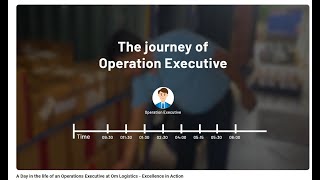
Your day might start with checking delivery schedules and coordinating with transportation partners to ensure everything is on track. You could be deep-diving into inventory levels, forecasting demand for popular products, or negotiating contracts with new suppliers. You'll likely spend time analyzing data to find ways to cut costs or speed up delivery times, and you might even need to jump in to solve a sudden problem, like a shipment delay or a quality issue, making sure operations continue without a hitch.
Myth vs Reality
Tap to reveal the truth behind common misconceptions
Skills You'll Need
Master these to excel in this career
Technical Skills
8Analytical Capability
Ability to analyze operations and influencing factors using qualitative and quantitative methods.
Vendor Management
Knowledge of vendor roles and responsibilities.
Basic Math Skills
Understanding of basic mathematical operations.
ERP Systems Knowledge
Familiarity with ERP systems like SAP MM, Oracle Supply Chain.
Digital Mindset
Understanding and adapting to digital tools and technologies.
Risk Management
Ability to identify and mitigate risks in logistics operations.
Procurement Skills
Knowledge of procurement processes and best practices.
Operations Management
Understanding of operations management principles.
Soft Skills
21Communication
Effective verbal and written communication skills.
Relationship Management
Ability to develop and manage professional relationships across functions.
Stress Management
Ability to maintain composure under pressure.
Presentation Skills
Ability to present information in a clear and understandable manner.
Negotiation Skills
Skill in negotiating prices and contracts.
Time Management
Effective management of time and priorities.
Team Handling
Skill in managing and motivating a team.
Decision Making
Skill in making timely and effective decisions.
Leadership Skills
Ability to lead and inspire teams.
Problem Solving
Ability to identify and solve problems efficiently.
Planning Skills
Skill in planning and organizing tasks and resources.
Flexibility
Ability to adapt to changing situations and requirements.
Organizational Skills
Skill in organizing tasks and managing workflows.
Motivation and Enthusiasm
Ability to stay motivated and enthusiastic in a fast-paced environment.
Stress Management
Ability to manage stress and maintain composure under pressure.
Initiative
Ability to take initiative and drive projects forward.
People Management
Skill in managing and leading people.
Collaborative Learning
Ability to learn and work collaboratively with others.
Teamwork
Skill in working effectively within a team.
Management of Complexity and Change
Ability to manage complex situations and adapt to change.
Negotiation
Skill in negotiating and reaching agreements.
Domain Skills
4Interdisciplinary Knowledge
Combination of business, engineering, and IT knowledge.
Multilingual Skills
Ability to speak multiple languages, especially relevant for international operations.
Logistics Knowledge
Understanding of logistics and transportation principles.
Supply Chain Strategy
Knowledge of supply chain strategy and optimization.
Tools of the Trade
Software and tools you'll work with daily
Software
Supply Chain Management (SCM) Software
Tools to manage the entire supply chain, from sourcing raw materials to delivering the final product.
Warehouse Management Systems (WMS)
Software to control and optimize day-to-day warehouse operations.
Transportation Management Systems (TMS)
Systems to manage and optimize the physical movement of goods.
Enterprise Resource Planning (ERP) Systems
Integrated software to manage core business processes, including logistics and operations.
Data Analytics Platforms
Tools for analyzing operational data to identify trends, inefficiencies, and opportunities.
Framework
Process Management Frameworks (e.g., Lean, Six Sigma)
Methodologies to improve efficiency and reduce waste in processes.
Want to build these skills?
Get a personalized learning roadmap and save careers that match your profile.
50,000+ students already signed up
Your Learning Path
Step-by-step guide to getting started
Understand the Basics
Start by learning about the core concepts of supply chain, logistics, and operations management. This includes topics like inventory management, transportation, warehousing, and demand forecasting. Online courses or introductory textbooks are great resources.
Develop Analytical Skills
Focus on building strong analytical and problem-solving skills. Learn about data analysis, statistics, and process improvement techniques. Many universities offer courses in business analytics or operations research.
Gain Practical Experience
Seek internships or entry-level positions in logistics, supply chain, or operations roles. Hands-on experience is invaluable for understanding real-world challenges and applying what you've learned.
Specialize and Lead
As you gain experience, consider specializing in areas like supply chain strategy, global logistics, or operations technology. Pursue certifications or advanced degrees to move into leadership positions.
Career Progression
How your career will grow over time
Warehouse Associate
EntryBegins in operational roles with hands-on experience in logistics and supply chain management.
- Handling inventory
- Packing and shipping goods
- Operating forklifts
Logistics Coordinator
EntryManages shipments and communications with suppliers and customers.
- Managing shipments
- Communicating with suppliers and customers
- Tracking deliveries
Freight Broker/Dispatcher
EntryArranges transportation and negotiates rates.
- Arranging transportation
- Negotiating rates
- Ensuring compliance with shipping regulations
Inventory Clerk
EntryManages stock levels and performs audits.
- Managing stock levels
- Performing audits
- Maintaining accurate records
Logistics Analyst
Mid-LevelAnalyzes supply chain performance and identifies inefficiencies.
- Analysing supply chain performance
- Identifying inefficiencies
- Recommending improvements
Supply Chain Specialist
Mid-LevelManages supplier relationships and optimizes procurement strategies.
- Managing supplier relationships
- Optimizing procurement strategies
- Improving operational efficiency
Transportation Supervisor
Mid-LevelOversees fleet operations and manages drivers.
- Overseeing fleet operations
- Managing drivers
- Ensuring compliance with safety regulations
Procurement Officer
Mid-LevelSources materials and negotiates contracts.
- Sourcing materials
- Negotiating contracts
- Maintaining supplier relationships
Logistics Manager
SeniorLeads logistics teams and improves supply chain efficiency.
- Leading logistics teams
- Improving supply chain efficiency
- Ensuring cost-effective operations
Warehouse Manager
SeniorManages warehouse operations and improves inventory systems.
- Managing warehouse operations
- Improving inventory systems
- Ensuring workplace safety
Supply Chain Manager
SeniorCoordinates procurement, production, and distribution processes.
- Coordinating procurement
- Producing and distributing processes
- Optimizing the supply chain
Operations Manager
SeniorOversees daily logistics operations and improves efficiency.
- Overseeing daily logistics operations
- Improving efficiency
- Ensuring compliance
Director of Logistics
LeadershipSets logistics policies and manages budgets.
- Setting logistics policies
- Managing budgets
- Leading high-level supply chain initiatives
Vice President of Supply Chain
LeadershipOversees global supply chain strategies and manages supplier relationships.
- Overseeing global supply chain strategies
- Managing supplier relationships
- Optimizing logistics networks
Chief Supply Chain Officer (CSCO)
LeadershipLeads the entire supply chain function and drives innovation.
- Leading the entire supply chain function
- Driving innovation
- Ensuring long-term sustainability
Education Paths
Bachelor's Degree
B.Tech
Supply Chain Management
Master's Degree
M.Sc
Logistics and Operations Management
Top Hiring Companies
Salary & Future Growth
What you can earn and where the industry is headed
Salary Progression (INR)
Future Career OutlookCurrent Market: Growing
The current job market for Logistics and Operations Executives is robust, with many companies seeking professionals to manage their supply chains efficiently. Demand is driven by the increasing complexity of global trade and the need for streamlined operations.
The medium to long-term outlook for Logistics and Operations Executives is very positive. Continued globalization, the rise of e-commerce, and advancements in technology will sustain and likely increase the demand for skilled professionals in this field.
In the very long term, Logistics and Operations Executives will remain crucial as businesses continue to navigate complex global supply chains. The role will likely evolve with greater integration of AI and automation, requiring executives to adapt and lead these technological shifts.
Not sure if Logistics And Operations Executive is right for you?
Talk to a Stride counsellor for personalised guidance on whether this career fits your interests, strengths, and goals.
Watch & Learn
Curated videos to help you explore


Helpful Resources
Articles and guides for deeper learning
Frequently Asked Questions
Quick answers to common questions
QWhat skills are most important for a Logistics and Operations Executive?
Key skills include strong analytical and problem-solving abilities, excellent communication and negotiation skills, proficiency in logistics software, and a deep understanding of supply chain principles and best practices.
QWhat is the typical career path for a Logistics and Operations Executive?
The path often starts in entry-level roles like logistics coordinator or analyst, progressing to roles like operations manager or supply chain manager, and eventually to executive positions. Continuous learning and gaining diverse experience are vital.
QHow does technology impact the role of a Logistics and Operations Executive?
Technology, including AI, automation, and specialized software like WMS and TMS, is transforming logistics. Executives need to leverage these tools to improve efficiency, reduce costs, and enhance decision-making.
QWhat is the difference between logistics and transportation?
Transportation is the physical movement of goods from one place to another, which is a part of logistics. Logistics is a broader concept that encompasses the entire planning, implementation, and control of the efficient flow and storage of goods, services, and information.
Explore All 1,500+ Careers
Browse our full career explorer or take an assessment to get personalised recommendations.