Maths & Physics Tutor
Also known as: Math Tutor, Physics Tutor, Academic Tutor, STEM Tutor, Maths and Physics Coach
Math and Physics Tutors are educators who help students grasp challenging concepts in mathematics and physics. They provide one-on-one or small group support, breaking down difficult topics, guiding students through problem-solving, and reinforcing classroom learning. Tutors create a supportive environment where students can ask questions freely and build confidence in their abilities.
6
Skills to Learn
4
Career Levels
6
Top Companies
2
Education Paths
Sneak Peek
Do you find yourself explaining complex math or physics concepts to your friends, making those
What does a Maths & Physics Tutor do?
Math and Physics Tutors are educators who help students grasp challenging concepts in mathematics and physics. They provide one-on-one or small group support, breaking down difficult topics, guiding students through problem-solving, and reinforcing classroom learning. Tutors create a supportive environment where students can ask questions freely and build confidence in their abilities.
- Salary in India
- ₹3 to ₹12 lakh a year
- Demand
- Growing
- Remote work
- Hybrid
- Industry
- Education
Is This Career For You?
Discover if your personality matches this career
Your Personality Fit (RIASEC)
You enjoy exploring complex problems and discovering solutions through analysis and research.
You find satisfaction in helping others learn and grow.
You appreciate creative approaches to explaining concepts and making learning engaging.
You are comfortable taking initiative and guiding students towards their goals.
You value structured approaches to learning and assessment.
You prefer hands-on activities, but your focus is more on the intellectual challenges of math and physics.
You'll Love This Career If...
Like what you see? Get full access.
Save this career, compare with others, and get your personalized career plan.
50,000+ students already signed up
A Day in the Life
What your typical workday looks like
A typical day involves meeting with students, either in person or online, to review homework, explain difficult concepts, and work through practice problems. You might spend time preparing for sessions by reviewing lesson plans or creating supplementary materials. Each session is tailored to the student's needs, focusing on areas where they struggle most, whether it's calculus, mechanics, or electromagnetism.
Myth vs Reality
Tap to reveal the truth behind common misconceptions
Skills You'll Need
Master these to excel in this career
Technical Skills
2Pedagogy
Understanding and application of teaching methods and strategies.
Technology Proficiency
Skill in using educational technology and software.
Soft Skills
3Communication Skills
Ability to convey complex concepts clearly and effectively.
Patience
Ability to remain calm and understanding when students struggle.
Adaptability
Ability to adjust teaching methods to suit different learning styles.
Domain Skills
1Subject Mastery
Deep understanding and knowledge of mathematics and physics.
Tools of the Trade
Software and tools you'll work with daily
Hardware
Whiteboard/Digital Whiteboard
Used to visually explain concepts, draw diagrams, and work through problems step-by-step.
Software
Video Conferencing Software (e.g., Zoom, Google Meet)
Essential for remote tutoring sessions, allowing real-time interaction and screen sharing.
Equation Editor/Math Software (e.g., LaTeX, Wolfram Alpha)
Helpful for creating clear mathematical expressions and solving complex problems.
Scheduling Software (e.g., Wise, Calendly)
Streamlines the process of booking, managing, and reminding students about sessions.
Platform
Online Learning Platforms (e.g., Khan Academy, Coursera)
Provide supplementary resources, practice exercises, and video explanations that can be shared with students.
Want to build these skills?
Get a personalized learning roadmap and save careers that match your profile.
50,000+ students already signed up
Your Learning Path
Step-by-step guide to getting started
Master the Fundamentals
Build a rock-solid understanding of core math and physics principles. This means revisiting foundational concepts from algebra, geometry, calculus, and classical mechanics. Focus on conceptual clarity, not just memorization.
Develop Your Explanatory Skills
Learn how to break down complex topics into simple, digestible parts. Practice explaining concepts in different ways, using analogies and real-world examples. Watch how great teachers explain things.
Gain Tutoring Experience
Start by tutoring peers, friends, or family. Offer your services at a school's study center or volunteer. This hands-on experience is invaluable for understanding student challenges and refining your approach.
Consider Certification and Specialization
Explore tutor certification programs (like those from the NTA or ATA) to enhance your credibility. Identify specific areas in math or physics where you excel and want to focus your tutoring efforts.
Career Progression
How your career will grow over time
Entry-Level Maths & Physics Tutor
EntryProvides basic tutoring in mathematics and physics to students at various levels.
- Assess students' understanding
- Develop individualized lesson plans
- Explain concepts clearly
- Provide practice exercises
- Monitor student progress
Mid-Level Maths & Physics Tutor
Mid-LevelOffers specialized tutoring in advanced mathematics and physics topics.
- Design complex lesson plans
- Tutor for standardized tests
- Use advanced teaching tools
- Engage in continuous professional development
Senior Maths & Physics Tutor
SeniorLeads tutoring sessions, mentors junior tutors, and develops curriculum materials.
- Lead tutoring sessions
- Mentor junior tutors
- Develop curriculum materials
- Conduct workshops and seminars
Leadership Maths & Physics Tutor
LeadershipOversees tutoring programs, manages a team of tutors, and implements educational strategies.
- Oversee tutoring programs
- Manage a team of tutors
- Implement educational strategies
- Engage in policy-making and curriculum development
Education Paths
Bachelor's Degree
B.Sc. in Mathematics/Physics
Mathematics/Physics
Master's Degree
M.Sc. in Mathematics/Physics
Mathematics/Physics
Top Hiring Companies
Salary & Future Growth
What you can earn and where the industry is headed
Salary Progression (INR)
Future Career OutlookCurrent Market: Growing
Maths and Physics tutoring is experiencing stable demand as students continually seek to strengthen their understanding and performance in these foundational subjects. The increasing complexity of curricula and the competitive nature of higher education admissions mean that personalized academic support remains highly valued.
The long-term outlook for Maths and Physics tutors is positive, driven by the persistent need for STEM education. As technology advances and new scientific fields emerge, the demand for foundational knowledge in math and physics will continue. Tutors who can adapt to new teaching methodologies and incorporate technology will be well-positioned.
In the very long term, the role of a Maths and Physics tutor is likely to evolve rather than disappear. While AI and online platforms can supplement learning, the human element of personalized guidance, tailored explanations, and motivational support will remain crucial. Tutors who embrace technology as a tool to enhance their teaching will continue to find opportunities.
Not sure if Maths & Physics Tutor is right for you?
Talk to a Stride counsellor for personalised guidance on whether this career fits your interests, strengths, and goals.
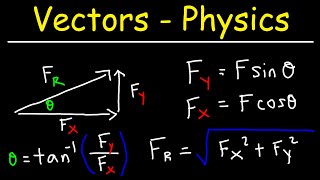
Watch & Learn
Curated videos to help you explore



Helpful Resources
Articles and guides for deeper learning
Frequently Asked Questions
Quick answers to common questions
QWhat qualifications do I need to become a Maths and Physics tutor?
Typically, a strong academic background in mathematics and physics is required, often a bachelor's degree or higher. Demonstrating a passion for teaching and strong communication skills is also essential. Some tutoring centers or online platforms may have specific certification requirements.
QWhat are the typical work hours for a Maths and Physics tutor?
Work hours can be flexible and often align with students' schedules, which may include after-school hours, evenings, and weekends. Some tutors work part-time, while others may offer full-time services, especially those working with multiple students or through online platforms.
QHow much does a Maths and Physics tutor typically earn?
Earnings vary based on experience, qualifications, location, and whether you work independently or through an agency. Entry-level tutors might earn around 200,000 INR per annum, while experienced tutors with advanced degrees can earn significantly more, potentially reaching 600,000 INR or higher per annum.
Explore All 1,500+ Careers
Browse our full career explorer or take an assessment to get personalised recommendations.