Mechanic
Also known as: Automotive Technician, Auto Mechanic, Service Technician
As a mechanic, you are the problem-solver for anything with an engine or moving parts. You diagnose, repair, and maintain vehicles and equipment, ensuring they run safely and efficiently. From routine oil changes to complex engine overhauls, you’ll be using your technical skills and keen eye to keep the world moving.
16
Skills to Learn
4
Career Levels
4
Top Companies
2
Education Paths
Sneak Peek
Ever wondered what makes cars, trucks, or even complex machinery tick? Do you enjoy figuring out how things work and getting your hands dirty to fix them?
What does a Mechanic do?
You are the problem-solver for anything with an engine or moving parts. You diagnose, repair, and maintain vehicles and equipment, ensuring they run safely and efficiently. From routine oil changes to complex engine overhauls, you’ll be using your technical skills and keen eye to keep the world moving.
- Demand
- Growing
- Remote work
- Location-Bound
- Industry
- Automotive
Is This Career For You?
Discover if your personality matches this career
Your Personality Fit (RIASEC)
You enjoy working with your hands and fixing tangible things.
You like to figure out how things work and solve problems.
The job requires precision, record-keeping, and following procedures.
There are opportunities for independence and potentially running your own shop.
You'll interact with customers, but the core of the job isn't about social service.
This career doesn't heavily involve artistic expression.
You'll Love This Career If...
Like what you see? Get full access.
Save this career, compare with others, and get your personalized career plan.
50,000+ students already signed up
A Day in the Life
What your typical workday looks like
Your day as a mechanic often starts with a list of vehicles or machines needing attention. You’ll begin by talking to customers or operators to understand the reported issues, then dive in to diagnose the problem using specialized tools and your knowledge. After pinpointing the fault, you’ll perform the necessary repairs, whether it’s replacing a part, fixing an engine, or adjusting a system. You might spend your afternoon working on another vehicle, performing scheduled maintenance, or even test-driving a completed repair to ensure everything is running smoothly.
Myth vs Reality
Tap to reveal the truth behind common misconceptions
Skills You'll Need
Master these to excel in this career
Technical Skills
12Diagnostic Tools Operation
Operate and utilize diagnostic tools and equipment to troubleshoot and repair mechanical systems.
Troubleshooting Methodologies
Apply systematic fault isolation techniques to identify and resolve technical issues.
Preventive Maintenance Procedures
Perform routine maintenance checks and preventive servicing to ensure optimal performance of equipment.
Mechanical Assembly and Disassembly
Skillfully assemble and disassemble mechanical components using hand tools and power tools.
Electrical Systems Knowledge
Understand and work with electrical systems, including wiring, circuit analysis, and component testing.
Blueprint Reading
Interpret technical drawings, schematics, and manuals to guide repair and maintenance activities.
Basic Computer Literacy
Navigate and utilize computer software and systems relevant to technical tasks.
Calibration Techniques
Perform calibration of instruments and systems to meet specified operational standards.
Soldering Techniques
Apply soldering and desoldering techniques for electronics repair.
Hydraulic and Pneumatic Systems
Work with hydraulic and pneumatic systems in industrial or heavy equipment maintenance.
Robotics and Automation Fundamentals
Understand and work with robotics and automation technologies in advanced manufacturing.
Networking Basics
Possess basic knowledge of networking principles for IT or telecommunications maintenance.
Soft Skills
4Problem-Solving
Diagnose complex issues and implement effective solutions using logical deduction and creativity.
Attention to Detail
Ensure tasks are completed accurately and thoroughly to prevent system failure or safety hazards.
Adaptability
Quickly learn new systems, tools, and methods to stay effective in a constantly changing environment.
Communication Skills
Explain technical issues to non-technical individuals in a clear and concise manner.
Tools of the Trade
Software and tools you'll work with daily
Hardware
Wrench Set
Used to tighten or loosen bolts and nuts.
Torque Wrench
Ensures bolts are tightened to the exact specification.
Jacks and Lifts
Used to safely raise vehicles for access to undercarriage components.
Pliers
Versatile tools used for gripping, bending, or cutting.
Software
Diagnostic Scan Tool
Connects to a vehicle's computer to read error codes and identify problems.
Service Manuals
Provides detailed information on specific vehicle models, repair procedures, and specifications.
Want to build these skills?
Get a personalized learning roadmap and save careers that match your profile.
50,000+ students already signed up
Your Learning Path
Step-by-step guide to getting started
High School Foundation
Focus on subjects like math, physics, and shop classes if available. These build a fundamental understanding of mechanical principles and problem-solving.
Vocational Training or Apprenticeship
Enroll in a post-high school program at a technical college or vocational school for hands-on training in automotive technology, or seek an apprenticeship to learn directly from experienced mechanics.
Gain Experience and Certification
Start in entry-level positions like a lube technician to build practical experience. Pursue certifications like ASE (National Institute for Automotive Service Excellence) to validate your skills in specific areas.
Specialize and Advance
As you gain experience, consider specializing in areas like diesel engines, high-performance vehicles, or electrical systems. Continue seeking advanced certifications and learning about new vehicle technologies.
Career Progression
How your career will grow over time
Apprentice Mechanic
EntryBeginner-level mechanic learning basic skills and assisting experienced mechanics.
- Assisting experienced mechanics
- Learning basic vehicle systems
- Performing simple repairs and maintenance tasks
Junior Mechanic
Mid-LevelMechanic with intermediate skills capable of performing routine maintenance and repairs.
- Diagnosing vehicle issues
- Performing routine maintenance
- Repairing vehicle components
Senior Mechanic
SeniorExperienced mechanic with advanced skills and knowledge.
- Performing complex repairs
- Diagnosing difficult issues
- Training junior mechanics
Lead Mechanic
LeadershipHighly skilled mechanic leading a team and overseeing operations.
- Managing a team of mechanics
- Overseeing repair operations
- Ensuring quality control
Education Paths
Lower Secondary
Post-Secondary Certificate/Diploma
Top Hiring Companies
Salary & Future Growth
What you can earn and where the industry is headed
Salary Progression (INR)
Future Career OutlookCurrent Market: Growing
The job outlook for automotive service technicians and mechanics is stable, with projected growth of 4% from 2024 to 2034, which is about as fast as the average for all occupations. This growth is driven by the continued need for routine maintenance and repair of vehicles. About 70,000 job openings are expected each year, many due to the need to replace workers who retire or move to different occupations.
The automotive industry is rapidly evolving with the rise of electric vehicles (EVs), advanced driver-assistance systems (ADAS), and connected car technology. Mechanics will need to adapt and acquire new skills to service and repair these complex systems. While traditional mechanical systems will still require attention, a significant portion of future work will involve understanding and maintaining electronic and software components. The increasing complexity of vehicles may lead to a higher demand for specialized technicians.
The long-term outlook for mechanics remains positive, though the nature of the work will continue to shift. As EVs become more prevalent and autonomous driving technology advances, mechanics will need to embrace continuous learning and adapt to new diagnostic and repair techniques. Those who specialize in EV maintenance, advanced diagnostics, or other emerging areas are likely to see strong demand. The core need for skilled individuals to keep vehicles running safely and efficiently will persist.
Not sure if Mechanic is right for you?
Talk to a Stride counsellor for personalised guidance on whether this career fits your interests, strengths, and goals.
Watch & Learn
Curated videos to help you explore


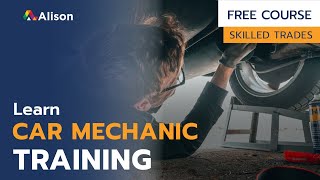


Helpful Resources
Articles and guides for deeper learning
Frequently Asked Questions
Quick answers to common questions
QWhat is the typical education needed to become a mechanic?
Most mechanics complete a program in automotive service technology at a high school, community college, or technical institute. Some workers enter the field with a high school diploma and gain skills through on-the-job training.
QWhat are the biggest changes happening in the mechanic industry?
The industry is seeing a rise in electric vehicles (EVs), advanced driver-assistance systems (ADAS), and connected car technology. Mechanics need to stay updated on these new technologies to remain competitive.
QDo mechanics need to know about computers?
Yes, mechanics increasingly use computerized diagnostic equipment to identify and fix problems. Familiarity with electronic systems is essential, especially with the rise of EVs and ADAS.
QWhat kind of tools do mechanics use?
Mechanics use a wide range of tools, including hand tools like wrenches and pliers, power tools like pneumatic wrenches, and specialized computerized diagnostic equipment. Employers usually provide the shop tools, while mechanics often own their personal hand tools.
Explore All 1,500+ Careers
Browse our full career explorer or take an assessment to get personalised recommendations.