Medical Auditor
Also known as: Healthcare Auditor, Clinical Auditor, Revenue Cycle Auditor
A Medical Auditor is a professional who reviews healthcare records and processes to ensure compliance with laws, regulations, and company policies. They examine billing, coding, and documentation to identify errors, fraud, or abuse, helping healthcare organizations maintain financial integrity and provide accurate patient care. This role is crucial for preventing fraud, waste, and abuse in the healthcare system.
10
Skills to Learn
4
Career Levels
10
Top Companies
2
Education Paths
Sneak Peek
Do you enjoy finding patterns and ensuring things are done correctly, especially in the world of healthcare? Are you interested in a career where you can help improve the quality and accuracy of medical services without directly working with patients?
What does a Medical Auditor do?
A medical auditor reviews medical records and financial data to ensure accuracy, compliance with regulations, and proper billing practices in healthcare settings.
- Demand
- Stable
- Remote work
- Hybrid
- Industry
- Healthcare
Is This Career For You?
Discover if your personality matches this career
Your Personality Fit (RIASEC)
You enjoy working with data, following procedures, and ensuring accuracy and order.
You are curious and enjoy analyzing information, solving problems, and digging deep into details.
You like working with data and systems, ensuring things function correctly according to standards.
While not the primary focus, you may interact with others to gather information or explain findings.
You might occasionally need to persuade others about your findings, but it's not the main focus.
This career path doesn't heavily rely on creativity or self-expression.
You'll Love This Career If...
Like what you see? Get full access.
Save this career, compare with others, and get your personalized career plan.
50,000+ students already signed up
A Day in the Life
What your typical workday looks like
Imagine starting your day by logging into a secure system to review patient charts and billing information. You meticulously check for accuracy in medical codes, ensuring they correctly reflect the services provided. Throughout the day, you might investigate a suspicious claim, collaborate with billing specialists to clarify documentation, or prepare a report highlighting areas for improvement in the organization's processes. Your work involves a lot of focused attention on documents and data, aiming to uphold the standards of healthcare quality and financial accountability.
Myth vs Reality
Tap to reveal the truth behind common misconceptions
Skills You'll Need
Master these to excel in this career
Technical Skills
3Hands-on Coding Experience
Practical application through simulated and real medical record exercises.
Certification in ICD-10-AM
Demonstrated competence in ICD-10-AM 12th Edition and current ACHI standards.
Written and Practical Assessment Skills
Successful completion of written examinations and practical coding assessments.
Soft Skills
3Attention to Detail
Highly accurate interpretation of patient records.
Analytical Abilities
Complex analysis of medical records to ensure accurate coding.
Collaboration with Healthcare Teams
Working with healthcare teams to address documentation discrepancies.
Domain Skills
4Familiarity with Australian Coding Systems
Proficiency in ICD-10-AM, ACHI, and ACS for consistent coding.
Compliance Knowledge
Understanding of ACHI guidelines and Australian Coding Standards (ACS).
Ethical Standards
Understanding of confidentiality, privacy legislation, and professional conduct.
Medical Terminology
Comprehensive knowledge of medical terminology, anatomy, and physiology.
Tools of the Trade
Software and tools you'll work with daily
Software
Audit Management Software
Helps organize audit plans, track findings, and manage documentation.
Data Analysis Tools
Software used to sift through large amounts of healthcare data to identify patterns and anomalies.
Electronic Health Record (EHR) Systems
Digital versions of patient charts that auditors review for accuracy and compliance.
Platform
Compliance Databases
Online resources containing healthcare regulations and guidelines.
Want to build these skills?
Get a personalized learning roadmap and save careers that match your profile.
50,000+ students already signed up
Your Learning Path
Step-by-step guide to getting started
Understand Healthcare Basics
Start by learning about the healthcare industry, including common medical terms, different types of healthcare services, and the general flow of patient care.
Learn About Regulations
Familiarize yourself with key healthcare regulations like HIPAA (Health Insurance Portability and Accountability Act) and understand their importance in protecting patient privacy and data. Explore resources on Good Clinical Practice (GCP) if interested in clinical trial auditing.
Develop Analytical Skills
Practice reviewing documents, identifying discrepancies, and thinking critically. Online courses or exercises focused on data analysis and attention to detail can be very helpful.
Explore Auditing Principles
Learn the fundamentals of auditing, including planning, execution, and reporting. Look for introductory courses on auditing, specifically within the healthcare or compliance fields.
Career Progression
How your career will grow over time
Junior Medical Auditor
EntryStarting point for those entering the medical auditing field.
- Assisting in auditing medical records
- Learning to use auditing software
- Supporting senior auditors in their tasks
Medical Auditor
Mid-LevelMore independent role with increased responsibilities.
- Conducting audits of medical records
- Ensuring compliance with regulations
- Reporting findings and suggesting improvements
Senior Medical Auditor
SeniorLeading audits and mentoring junior auditors.
- Supervising audit teams
- Developing audit plans
- Ensuring the accuracy of audit findings
Lead Medical Auditor
LeadershipHigh-level position with strategic responsibilities.
- Managing large-scale audits
- Setting audit standards and policies
- Collaborating with senior management on compliance strategies
Education Paths
Bachelor's Degree
B.Sc in Healthcare Administration
Healthcare Administration
Post-Secondary Certificate/Diploma
Diploma in Medical Coding
Medical Coding
Top Hiring Companies
Salary & Future Growth
What you can earn and where the industry is headed
Salary Progression (AUD)
Future Career OutlookCurrent Market: Stable
Medical auditors play a crucial role in ensuring that healthcare providers are compliant with regulations and that billing is accurate. The current prospect for this role involves a stable demand, as healthcare systems continue to grow and face increasing regulatory scrutiny. The increasing complexity of healthcare services and billing codes necessitates skilled professionals to review and verify medical records and financial data, making the role essential for maintaining financial integrity and compliance within the healthcare industry.
The medium to long-term outlook for medical auditors is positive, driven by ongoing healthcare reforms, the increasing adoption of electronic health records (EHRs), and a greater emphasis on fraud detection and prevention. As healthcare data becomes more digitized, the need for professionals who can analyze this data for compliance and financial accuracy will only grow. Advancements in technology may automate some aspects of auditing, but the need for human oversight, critical thinking, and interpretation will remain, leading to a sustained demand.
Looking further ahead, medical auditors will likely see their roles evolve with the integration of advanced AI and data analytics tools. While these technologies will enhance efficiency and predictive capabilities, the core function of auditing for compliance, accuracy, and ethical practice will remain critical. The healthcare industry's inherent complexity and the constant evolution of regulations and treatment methodologies suggest a continuing need for specialized auditing expertise to navigate these changes and ensure the system's integrity.
Not sure if Medical Auditor is right for you?
Talk to a Stride counsellor for personalised guidance on whether this career fits your interests, strengths, and goals.
Watch & Learn
Curated videos to help you explore


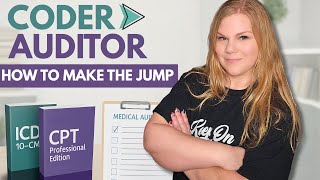
Helpful Resources
Articles and guides for deeper learning
Frequently Asked Questions
Quick answers to common questions
QWhat skills are important for a medical auditor?
Key skills include attention to detail, strong analytical abilities, knowledge of medical terminology and coding, understanding of healthcare regulations, and proficiency in using auditing software.
QWhat is the typical work environment for a medical auditor?
Medical auditors often work in office settings, but remote or hybrid arrangements are increasingly common, especially with advancements in technology that facilitate virtual auditing.
QHow does technology impact the role of a medical auditor?
Technology, such as auditing software and data analytics tools, helps automate tasks, improve efficiency, and provide deeper insights. However, human expertise remains crucial for interpretation and decision-making.
Explore All 1,500+ Careers
Browse our full career explorer or take an assessment to get personalised recommendations.