Medical Scientist
Also known as: Biomedical Scientist, Clinical Researcher
Medical scientists are the driving force behind medical advancements, dedicating their careers to researching and developing innovative ways to diagnose, treat, and prevent diseases. They are the problem-solvers who work in labs to understand how the human body functions, aiming to improve health outcomes and develop new medical technologies and therapies.
10
Skills to Learn
4
Career Levels
6
Top Companies
5
Education Paths
Sneak Peek
Ever wondered how we fight diseases and develop life-saving treatments? What if you could be at the forefront of medical discovery, helping to make people healthier?
What does a Medical Scientist do?
Medical scientists are the driving force behind medical advancements, dedicating their careers to researching and developing innovative ways to diagnose, treat, and prevent diseases. They are the problem-solvers who work in labs to understand how the human body functions, aiming to improve health outcomes and develop new medical technologies and therapies.
- Salary in India
- ₹3 to ₹6 lakh a year
- Demand
- Growing
- Remote work
- Hybrid
- Industry
- Healthcare
Is This Career For You?
Discover if your personality matches this career
Your Personality Fit (RIASEC)
You enjoy exploring complex problems and finding solutions through research and analysis.
You like working with your hands and using tools to solve problems, which is applicable in lab settings.
You may collaborate with others and aim to help people, but the core work is research-focused.
Some aspects of meticulous record-keeping align, but the investigative nature is more dominant.
While creativity is helpful, the primary focus is on scientific rigor rather than artistic expression.
This role is less about leading and persuading and more about in-depth research.
You'll Love This Career If...
Like what you see? Get full access.
Save this career, compare with others, and get your personalized career plan.
50,000+ students already signed up
A Day in the Life
What your typical workday looks like
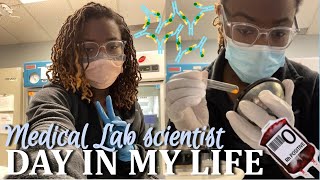
A typical day for a medical scientist involves meticulous work in the lab, designing and conducting experiments to test hypotheses about diseases or potential treatments. This could mean analyzing patient samples, culturing cells, or using advanced equipment to study biological processes. They often spend time reviewing research papers, collaborating with other scientists and doctors, and documenting their findings meticulously to contribute to the wider scientific community.
Myth vs Reality
Tap to reveal the truth behind common misconceptions
Skills You'll Need
Master these to excel in this career
Technical Skills
3Medical Research Skills
Ability to conduct and analyze medical research studies.
Laboratory Skills
Proficiency in using laboratory equipment and techniques.
Data Analysis
Ability to analyze and interpret complex data sets.
Soft Skills
5Critical Thinking
Ability to think critically and solve complex problems.
Communication Skills
Ability to communicate research findings effectively.
Team Collaboration
Ability to work effectively in a team environment.
Attention to Detail
High level of accuracy and attention to detail in research.
Grant Writing
Ability to write successful grant proposals for research funding.
Domain Skills
2Knowledge of Medical Technologies
Understanding of the latest medical technologies and tools.
Regulatory Knowledge
Understanding of regulatory requirements for medical research.
Tools of the Trade
Software and tools you'll work with daily
Hardware
PCR machines, Centrifuges, Spectrophotometers, Flow Cytometers
Essential laboratory equipment used for various experiments like amplifying DNA, separating substances, measuring light absorption, and analyzing cells.
DNA Sequencers, Gel Electrophoresis, Western Blot Apparatus
Specialized tools for working with biological molecules, used in genetic research and analyzing proteins.
Confocal and Electron Microscopes
Advanced imaging tools used to see extremely small structures within cells and tissues.
Software
R, SAS, SPSS
Statistical software used to analyze and interpret the large amounts of data generated during research.
Electronic Lab Notebooks (ELN)
Digital systems for meticulously recording experimental procedures, data, and results, ensuring accuracy and reproducibility.
Platform
Bioinformatics Platforms (e.g., NCBI, BLAST)
Tools and databases used to analyze biological data, especially genetic and protein sequences.
Want to build these skills?
Get a personalized learning roadmap and save careers that match your profile.
50,000+ students already signed up
Your Learning Path
Step-by-step guide to getting started
Build a Strong Science Foundation
Focus on biology, chemistry, and physics in high school. Take advanced placement (AP) or honors classes if available. Join science clubs and participate in science fairs to explore your interests.
Earn a Bachelor's Degree
Pursue an undergraduate degree in a relevant life science field like Molecular Biology, Biochemistry, Genetics, or Pharmacology. Gain hands-on experience through internships or research assistant positions in university labs.
Attain a Doctoral or Professional Degree
Most medical scientist roles require a Ph.D. or an M.D./Ph.D. This advanced education involves in-depth research, specialized coursework, and a dissertation. Consider a postdoctoral fellowship for further specialized training.
Begin Your Research Career
Start applying for research positions in academia, industry, or government. Continuously update your skills, stay current with scientific literature, and network with other professionals in the field.
Career Progression
How your career will grow over time
Research Assistant
EntryAssists in conducting experiments, collecting data, and maintaining lab equipment.
- Conducting experiments under supervision
- Data collection and analysis
- Maintaining laboratory equipment
Junior Medical Scientist
Mid-LevelConducts independent research, publishes findings, and collaborates with other scientists.
- Designing and conducting research studies
- Analyzing data and publishing findings
- Collaborating with other scientists
Senior Medical Scientist
SeniorLeads research projects, secures funding, and mentors junior scientists.
- Leading research projects
- Securing research funding
- Mentoring junior scientists
Principal Medical Scientist
LeadershipDirects overall research strategy, oversees multiple projects, and represents the organization in scientific conferences.
- Directing research strategy
- Overseeing multiple projects
- Representing the organization in scientific conferences
Education Paths
Post-Secondary Certificate/Diploma
Bachelor's Degree
Bachelor of Science
Life Sciences
Master's Degree
Master of Science
Biomedical Sciences
Doctoral Degree
Ph.D.
Molecular Biology, Biochemistry, Pharmacology, Immunology, Genetics, Epidemiology
Post-Doctoral
Postdoctoral Fellowship
Specialized area of medical research
Top Hiring Companies
Salary & Future Growth
What you can earn and where the industry is headed
Salary Progression (INR)
Future Career OutlookCurrent Market: Growing
The field of medical science is experiencing robust growth, with employment projected to increase significantly. While there was a temporary cooling in the broader biotech market due to funding challenges, the demand for skilled medical scientists remains high and is expected to continue outpacing overall job growth.
The long-term outlook for medical scientists is very positive, driven by demographic trends like aging populations, the ongoing need to address global health threats, and rapid scientific advancements. Continued investment in R&D and a focus on innovation will sustain demand.
The evolution of technology, including AI and machine learning, is creating new roles and demanding new skill sets within medical science. While the nature of some roles may shift towards areas like digital biology and biomanufacturing, the fundamental need for scientific research and development to improve human health will ensure sustained relevance and growth.
Not sure if Medical Scientist is right for you?
Talk to a Stride counsellor for personalised guidance on whether this career fits your interests, strengths, and goals.
Watch & Learn
Curated videos to help you explore



Helpful Resources
Articles and guides for deeper learning
Frequently Asked Questions
Quick answers to common questions
QWhat kind of education do medical scientists typically have?
Most medical scientist roles require at least a master's degree, and many positions, especially in research and development, necessitate a Ph.D. or a medical degree (M.D.). Advanced degrees are crucial for leading research projects and understanding complex scientific concepts.
QWhat are the key differences between a medical scientist and a doctor who treats patients?
While both are involved in health, medical scientists primarily focus on research to improve health outcomes and advance medical knowledge, often through clinical trials or laboratory work. Doctors, on the other hand, directly diagnose and treat patients.
QAre there opportunities for medical scientists to work in different industries?
Yes, medical scientists can find roles not only in academic institutions and hospitals but also in biotechnology and pharmaceutical companies, government agencies, and even in fields like public health and environmental science, depending on their specialization.
Explore All 1,500+ Careers
Browse our full career explorer or take an assessment to get personalised recommendations.