Mental Health Counselor
Also known as: Mental Health Professional, Counselor, Therapist
A mental health counselor provides support and guidance to individuals facing emotional, psychological, or behavioral challenges. They create a safe and confidential space for clients to explore their thoughts and feelings, helping them to understand themselves better and develop coping strategies. The ultimate goal is to improve their clients
30
Skills to Learn
4
Career Levels
2
Top Companies
2
Education Paths
Sneak Peek
Do you find yourself naturally drawn to helping others navigate their struggles and find their inner strength? Are you curious about what goes on inside people
What does a Mental Health Counselor do?
A mental health counselor provides support and guidance to individuals facing emotional, psychological, or behavioral challenges. They create a safe and confidential space for clients to explore their thoughts and feelings, helping them to understand themselves better and develop coping strategies.
- Salary in India
- ₹4 to ₹8 lakh a year
- Demand
- Growing
- Remote work
- Hybrid
- Industry
- Healthcare
Is This Career For You?
Discover if your personality matches this career
Your Personality Fit (RIASEC)
You genuinely enjoy helping and supporting others, and find fulfillment in making a positive impact on people's lives.
You are curious about human behavior and the complexities of the mind, and enjoy analyzing problems to find effective solutions.
You are creative in your approach to understanding and communicating with others, and can think outside the box to find new ways to help.
You are comfortable taking initiative in guiding conversations and influencing positive change in others' lives.
You appreciate structure and clear processes in helping others, and are diligent in following ethical guidelines and documentation.
You prefer hands-on activities and tangible results, but can apply this in a therapeutic context by focusing on practical coping strategies.
You'll Love This Career If...
Like what you see? Get full access.
Save this career, compare with others, and get your personalized career plan.
50,000+ students already signed up
A Day in the Life
What your typical workday looks like
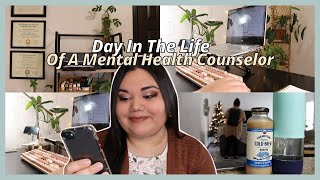
Imagine starting your day by preparing for client sessions, reviewing notes, and setting intentions for supportive conversations. Throughout the day, you'd meet with diverse individuals, actively listening to their concerns, offering insights, and collaboratively working on strategies to help them overcome obstacles and improve their lives. You might also dedicate time to professional development, such as reading
Myth vs Reality
Tap to reveal the truth behind common misconceptions
Skills You'll Need
Master these to excel in this career
Technical Skills
16Assessment Techniques
The ability to use various assessment tools and techniques to evaluate clients.
Counseling Techniques
The ability to use various counseling techniques to help clients.
Crisis Intervention
The ability to provide immediate help to individuals in crisis situations.
Research Skills
The ability to conduct research and apply findings to practice.
Case Management
The ability to coordinate and manage client care.
Diagnosis and Treatment Planning
The ability to diagnose mental health conditions and develop treatment plans.
Documentation
The ability to maintain accurate and timely client records.
Supervision and Mentorship
The ability to provide guidance and support to less experienced counselors.
Program Development
The ability to design and implement mental health programs.
Grant Writing
The ability to write grants to secure funding for programs and services.
Data Analysis
The ability to analyze data to inform practice and decision-making.
Financial Management
The ability to manage financial resources effectively.
Strategic Planning
The ability to develop and implement strategic plans.
Change Management
The ability to manage and facilitate change within an organization.
Quality Improvement
The ability to identify and implement improvements in service delivery.
Evaluation
The ability to evaluate the effectiveness of programs and services.
Soft Skills
11Active Listening
The ability to give full attention to what other people are saying, taking time to understand the points being made.
Empathy
The ability to understand and share the feelings of another.
Cultural Competency
The ability to understand, communicate with, and effectively interact with people across cultures.
Collaboration
The ability to work effectively with others to achieve common goals.
Professional Development
The commitment to ongoing learning and professional growth.
Therapeutic Rapport
The ability to build a trusting and supportive relationship with clients.
Self-Care
The ability to maintain one's own mental and emotional well-being.
Professional Networking
The ability to build and maintain professional relationships.
Public Speaking
The ability to effectively communicate ideas and information to an audience.
Conflict Resolution
The ability to resolve conflicts and disagreements in a constructive manner.
Leadership
The ability to lead and inspire others.
Domain Skills
3Ethical Standards
Understanding and adhering to professional ethical standards.
Advocacy
The ability to advocate for clients and promote their rights and interests.
Policy Development
The ability to develop and implement policies that support mental health services.
Tools of the Trade
Software and tools you'll work with daily
Software
Active Listening
Paying full attention to the speaker, understanding their message, responding thoughtfully, and remembering the information.
Empathy
The ability to understand and share the feelings of another person, putting yourself in their shoes.
Reflective Listening
Restating what the client has said in your own words to ensure understanding and show you are engaged.
Open-Ended Questioning
Asking questions that encourage the client to elaborate, rather than giving a simple 'yes' or 'no' answer.
Electronic Health Records (EHR)
Digital versions of patient charts, used for documentation, record-keeping, and tracking client progress.
Framework
Therapeutic Alliance Building
Establishing a trusting and collaborative relationship with the client, which is crucial for successful therapy.
Confidentiality Protocols
Strict adherence to privacy rules to ensure clients feel safe sharing sensitive information.
Want to build these skills?
Get a personalized learning roadmap and save careers that match your profile.
50,000+ students already signed up
Your Learning Path
Step-by-step guide to getting started
Explore Your Interest and Learn the Basics
Start by reading about mental health and common conditions. Watch documentaries or listen to podcasts about psychology and counseling. Consider introductory courses online or at your local library about human behavior and emotional well-being.
Pursue Higher Education
Earn a Bachelor's degree in a related field like psychology, sociology, or counseling. This provides a foundation in human behavior and research methods. Focus on courses that cover developmental psychology, abnormal psychology, and social behavior.
Obtain a Master's Degree and Clinical Experience
Complete a Master's degree in Mental Health Counseling, Psychology, or a related field. This typically involves coursework in counseling theories, ethics, and techniques, followed by supervised clinical internships or practicums.
Get Licensed and Specialize
Pass your state's licensing exam to become a Licensed Professional Counselor (LPC) or Licensed Mental Health Counselor (LMHC). Continue your education through professional development, workshops, and potentially pursue specialized certifications in areas like CBT, trauma, or addiction counseling.
Career Progression
How your career will grow over time
Mental Health Counselor Intern
EntryAssisting licensed counselors with client assessments and therapy sessions.
- Conducting intake interviews
- Assisting in group therapy sessions
- Maintaining client records
- Participating in supervision sessions
Licensed Mental Health Counselor
Mid-LevelProviding individual and group therapy sessions, and developing treatment plans.
- Conducting individual therapy sessions
- Developing and implementing treatment plans
- Collaborating with other healthcare professionals
- Maintaining accurate client records
Senior Mental Health Counselor
SeniorLeading therapy groups, supervising junior counselors, and contributing to program development.
- Leading therapy groups
- Supervising junior counselors
- Contributing to program development
- Conducting professional development workshops
Clinical Director
LeadershipOverseeing the clinical operations of a mental health facility, including staff management and program development.
- Overseeing clinical operations
- Managing staff
- Developing and implementing clinical programs
- Ensuring compliance with regulatory standards
Education Paths
Master's Degree
M.Sc in Counseling
Mental Health Counseling
Bachelor's Degree
B.A./B.Sc
Psychology or Human Services
Top Hiring Companies
Salary & Future Growth
What you can earn and where the industry is headed
Salary Progression (INR)
Future Career OutlookCurrent Market: Growing
Mental health and substance use counselors are in high demand, with projected job growth significantly faster than the average for all occupations. This is driven by a growing awareness of mental health needs and an increasing demand for services.
The demand for mental health services is expected to continue to grow robustly due to ongoing societal changes and increased access to care. Master's-level professionals are increasingly recognized and integrated into the healthcare system, creating more opportunities.
As the understanding of mental health evolves and integrates more deeply into overall healthcare, the need for skilled counselors is projected to remain strong. Advancements in technology and therapeutic approaches may further shape the field.
Not sure if Mental Health Counselor is right for you?
Talk to a Stride counsellor for personalised guidance on whether this career fits your interests, strengths, and goals.
Watch & Learn
Curated videos to help you explore



Helpful Resources
Articles and guides for deeper learning
Frequently Asked Questions
Quick answers to common questions
QWhat is the difference between a psychologist and a mental health counselor?
While both psychologists and mental health counselors work in mental health, psychologists typically have more advanced degrees (doctorate) and may focus more on research or complex diagnoses. Counselors often focus on providing therapy and support for specific issues like addiction or life challenges.
QWhat kind of education do I need to become a mental health counselor?
You'll generally need at least a bachelor's degree in a related field, and many states require a master's degree in counseling or a related area for licensure.
QCan mental health counselors work remotely?
Yes, many mental health counselors can offer services through telehealth, allowing for remote or hybrid work arrangements, especially with advancements in technology and virtual therapy platforms.
Explore All 1,500+ Careers
Browse our full career explorer or take an assessment to get personalised recommendations.