Multimedia Technologist
Also known as: Multimedia Artist, Multimedia Designer, Digital Media Artist, Creative Technologist
A Multimedia Technologist is a creative professional who uses a blend of artistic talent and technological expertise to create engaging digital content. They are skilled in various media, including graphics, animation, video, and sound, to produce dynamic visual experiences for platforms like video games, films, advertising, and websites. Essentially, they are storytellers who use digital tools to make concepts visually come alive and connect with audiences.
10
Skills to Learn
4
Career Levels
8
Top Companies
3
Education Paths
Sneak Peek
Do you love bringing stories to life through a mix of art and technology? Imagine creating the stunning visuals for a video game or a captivating animation for a movie – that's the exciting world of a Multimedia Technologist!
What does a Multimedia Technologist do?
A Multimedia Technologist is a creative professional who uses a blend of artistic talent and technological expertise to create engaging digital content. They are skilled in various media, including graphics, animation, video, and sound, to produce dynamic visual experiences for platforms like video games, films, advertising, and websites.
- Demand
- Growing
- Remote work
- Hybrid
- Industry
- Information Technology
Is This Career For You?
Discover if your personality matches this career
Your Personality Fit (RIASEC)
Enjoys creative expression and generating new ideas.
Likes to solve problems and analyze information.
Prefers structured tasks and working with data.
Enjoys helping others and working in teams.
Likes to lead and persuade others.
Prefers hands-on work and practical tasks.
You'll Love This Career If...
Like what you see? Get full access.
Save this career, compare with others, and get your personalized career plan.
50,000+ students already signed up
A Day in the Life
What your typical workday looks like
A typical day for a Multimedia Technologist involves diving into creative projects. You might spend your morning brainstorming visual concepts for a new game, then move on to creating 2D or 3D graphics and animations using specialized software. In the afternoon, you could be editing video footage, adding sound effects, or collaborating with a team to refine an interactive website design. The work often involves juggling different tasks, from conceptualizing ideas to the final technical execution, all while meeting project deadlines.
Myth vs Reality
Tap to reveal the truth behind common misconceptions
Skills You'll Need
Master these to excel in this career
Technical Skills
4Graphic Design
Creating visual content using software tools.
Video Editing
Editing video footage to create finished videos.
Animation
Creating moving images using software tools.
Multimedia Software Proficiency
Skilled use of multimedia creation and editing software.
Soft Skills
4Project Management
Organizing and leading projects to completion.
Creativity
Generating original ideas and concepts.
Communication
Effectively conveying ideas and information.
Team Collaboration
Working effectively with others in a team environment.
Domain Skills
2Digital Marketing Basics
Understanding basic digital marketing principles.
Understanding of Copyright and Licensing
Knowing the legal aspects of using multimedia content.
Tools of the Trade
Software and tools you'll work with daily
Software
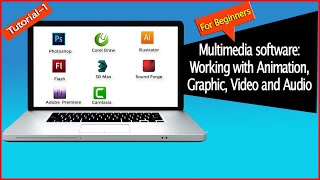
Adobe Creative Suite (Photoshop, Premiere Pro, After Effects)
Industry-standard software for graphic design, video editing, and motion graphics.
Video Editing Software (Final Cut Pro, DaVinci Resolve)
Tools for editing and assembling video footage, adding effects, and sound.
3D Modeling Software (Blender, Maya)
Software used to create 3D models, animations, and visual effects.
Audio Editing Software (Audacity, Pro Tools)
Software for recording, editing, and mixing audio for various media.
Platform
Content Management Systems (CMS)
Platforms for organizing and managing digital content, like WordPress or Drupal.
Project Management Tools (Asana, Trello)
Tools to organize tasks, deadlines, and team collaboration for multimedia projects.
Framework
Web Development Frameworks (React, Angular)
Frameworks that help in building interactive and dynamic web experiences.
Hardware
High-performance Computers
Powerful machines needed to run demanding multimedia software smoothly.
Cameras and Microphones
Equipment for capturing high-quality video and audio footage.
Want to build these skills?
Get a personalized learning roadmap and save careers that match your profile.
50,000+ students already signed up
Your Learning Path
Step-by-step guide to getting started
Master the Fundamentals
Start by learning the basics of design principles, color theory, and composition. Explore introductory courses on digital media creation, including basic graphic design and video editing concepts.
Dive into Creative Software
Get hands-on experience with industry-standard software like Adobe Photoshop for image editing, Premiere Pro for video editing, and After Effects for motion graphics. Practice creating simple projects to build your skills.
Explore Interactive Media
Learn about web development basics (HTML, CSS, JavaScript) and explore tools for creating interactive content. Understanding how multimedia is delivered online and on different platforms is key.
Build a Portfolio and Specialize
Work on personal projects or collaborate on team projects to build a strong portfolio showcasing your diverse multimedia skills. Consider specializing in areas like animation, game design, or interactive web experiences.
Career Progression
How your career will grow over time
Multimedia Technologist Intern
EntryAn entry-level position where the technologist assists in creating multimedia content under supervision.
- Assist in graphic design tasks
- Support video production and editing
- Help with audio editing and production
- Contribute to web and interactive media development
Multimedia Technologist
Mid-LevelA mid-level position where the technologist independently creates and manages multimedia content.
- Design and produce multimedia content
- Edit video and audio materials
- Develop interactive media elements
- Collaborate with teams for project execution
Senior Multimedia Technologist
SeniorA senior-level position where the technologist leads projects and oversees a team of technologists.
- Lead multimedia projects
- Mentor junior technologists
- Ensure quality of multimedia content
- Implement new technologies and trends
Multimedia Technologist Manager
LeadershipA leadership position where the technologist manages a department and strategic planning.
- Manage multimedia department
- Develop strategic plans for multimedia projects
- Oversee budget and resources
- Represent the department in high-level meetings
Education Paths
Bachelor's Degree
Multimedia Design
Multimedia Design
Associate Degree
Multimedia Arts
Multimedia Arts
Post-Secondary Certificate/Diploma
Top Hiring Companies
Salary & Future Growth
What you can earn and where the industry is headed
Salary Progression (INR)
Future Career OutlookCurrent Market: Growing
Multimedia technologists are in demand as businesses increasingly rely on digital content for marketing, communication, and engagement. The ability to create and manage various forms of media is crucial for many organizations.
The demand for multimedia technologists is expected to continue growing as new technologies emerge and the need for digital content creation, management, and distribution expands across industries. Specialization in areas like VR/AR and AI-driven content will likely drive future opportunities.
Multimedia technologists will remain vital as technology continues to evolve, driving new forms of digital interaction and content consumption. Adaptability and continuous learning will be key to long-term success in this field.
Not sure if Multimedia Technologist is right for you?
Talk to a Stride counsellor for personalised guidance on whether this career fits your interests, strengths, and goals.
Watch & Learn
Curated videos to help you explore




Helpful Resources
Articles and guides for deeper learning
Frequently Asked Questions
Quick answers to common questions
QWhat kind of education is needed for a multimedia technologist?
While a bachelor's degree in multimedia technology, computer science, graphic design, or a related field is often preferred, practical experience and a strong portfolio can also be highly valuable. Some vocational programs and certifications can also provide the necessary skills.
QWhat are the typical working hours for a multimedia technologist?
Working hours can vary depending on the project and employer. While a standard 40-hour work week is common, there may be times, especially around project deadlines or live events, when longer hours or weekend work are required. Remote and hybrid work models are also increasingly common.
QWhat is the difference between a multimedia technologist and a graphic designer?
While there's overlap, graphic designers typically focus more on the visual aesthetics and creation of static or motion graphics. Multimedia technologists often have a broader technical scope, encompassing the integration of various media types (audio, video, animation, text) and the underlying technology to deliver them.
Explore All 1,500+ Careers
Browse our full career explorer or take an assessment to get personalised recommendations.