Patient Care Assistant
Also known as: PCA
A Patient Care Assistant (PCA) is a vital member of the healthcare team who provides direct support to patients, assisting them with daily activities and ensuring their comfort and safety. Working under the supervision of nurses and doctors, PCAs help patients with tasks like bathing, dressing, eating, and moving around. They also monitor vital signs, maintain a clean environment, and offer emotional support, acting as a crucial link between patients and medical professionals. This role is perfect for individuals who are compassionate, patient, and eager to contribute to the well-being of others in a hands-on capacity.
12
Skills to Learn
4
Career Levels
3
Top Companies
3
Education Paths
Sneak Peek
Do you have a natural desire to help others and find a sense of fulfillment in making a real difference in people
What does a Patient Care Assistant do?
A Patient Care Assistant (PCA) is a vital member of the healthcare team who provides direct support to patients, assisting them with daily activities and ensuring their comfort and safety. Working under the supervision of nurses and doctors, PCAs help patients with tasks like bathing, dressing, eating, and moving around.
- Salary in India
- ₹2.5 to ₹5 lakh a year
- Demand
- Growing
- Remote work
- Location-Bound
- Industry
- Healthcare
Is This Career For You?
Discover if your personality matches this career
Your Personality Fit (RIASEC)
You enjoy helping and caring for others.
You like hands-on work and practical tasks.
You appreciate structure and following procedures.
While some problem-solving is involved, it's not the main focus.
This role is more about direct care than leading or persuading.
This career isn't primarily focused on creative expression.
You'll Love This Career If...
Like what you see? Get full access.
Save this career, compare with others, and get your personalized career plan.
50,000+ students already signed up
A Day in the Life
What your typical workday looks like
Your day as a Patient Care Assistant often begins with checking on your assigned patients, ensuring they are comfortable and ready for the day. You might help someone with their morning routine, like bathing and getting dressed, or assist them with eating breakfast. Throughout the day, you’ll be monitoring vital signs, such as temperature and blood pressure, and recording these observations for the nursing staff. You’ll also help patients move around, perhaps assisting them to a chair or walking with them in the hallway, always ensuring their safety. There will be moments of providing comfort, listening to their concerns, and offering a reassuring presence. Keeping patient rooms tidy and ensuring supplies are stocked are also part of your responsibilities, all while working collaboratively with nurses and other healthcare professionals to provide the best possible care.
Myth vs Reality
Tap to reveal the truth behind common misconceptions
Skills You'll Need
Master these to excel in this career
Technical Skills
5Basic Medical Knowledge
Understanding of basic medical procedures and terminology.
Patient Handling
Skill in safely moving and positioning patients.
Record Keeping
Maintaining accurate patient records and documentation.
Physical Stamina
Ability to perform physically demanding tasks over extended periods.
CPR Certification
Training in cardiopulmonary resuscitation techniques.
Soft Skills
7Empathy
Ability to understand and share the feelings of another.
Communication
Effectively conveying information and understanding instructions.
Attention to Detail
Ensuring accuracy and thoroughness in tasks.
Time Management
Efficiently managing time to complete tasks on schedule.
Teamwork
Working collaboratively with other healthcare professionals.
Problem-Solving
Identifying and resolving issues effectively.
Cultural Sensitivity
Understanding and respecting diverse cultural backgrounds.
Tools of the Trade
Software and tools you'll work with daily
Hardware
Blood pressure cuff
Used to measure a patient's blood pressure.
Thermometer
Used to measure a patient's body temperature.
Stethoscope
Used to listen to internal body sounds, such as heartbeats and breathing.
Gait belt
A safety device used to assist patients when moving or walking.
Hospital bed
An adjustable bed designed for patient comfort and care.
Wheelchair
Used to transport patients who have difficulty walking.
Transfer aid (e.g., Hoyer lift, slide sheet)
Equipment used to safely move patients with limited mobility.
Software
Patient care charts/Electronic Health Records (EHR) system
Used to document patient information, vital signs, and care provided.
Want to build these skills?
Get a personalized learning roadmap and save careers that match your profile.
50,000+ students already signed up
Your Learning Path
Step-by-step guide to getting started
Foundations of Healthcare and Patient Interaction
Start by learning the basics of the healthcare field, including essential medical terminology, patient rights, and ethical considerations. Focus on understanding how to communicate effectively and compassionately with patients and their families.
Core Patient Care Skills
Dive into the hands-on aspects of patient care. This includes learning about personal hygiene, assisting with daily living activities (like dressing and feeding), safe patient transfer techniques, and basic infection control measures.
Clinical Procedures and Monitoring
Learn how to take vital signs (temperature, blood pressure, pulse, respiration), recognize signs of potential health issues, and understand the importance of accurate documentation. This step also covers basic wound care and assisting with mobility.
Gaining Experience and Certification
Seek opportunities for hands-on practice through volunteering or internships. Prepare for and obtain any required certifications, such as a Certified Nursing Assistant (CNA) or similar credential, which often involves both written and practical exams.
Career Progression
How your career will grow over time
Patient Care Assistant
EntryAssists patients with daily needs, basic health monitoring, and emotional support.
- Helping patients with bathing, dressing, and feeding.
- Monitoring vital signs such as temperature, pulse, and blood pressure.
- Maintaining patient hygiene and safety.
- Assisting nurses and doctors during procedures.
Senior Patient Care Assistant
Mid-LevelTakes on more responsibilities and may supervise junior PCAs.
- Overseeing junior PCAs and ensuring quality care.
- Handling more complex patient care tasks.
- Providing training and support to new PCAs.
Lead Patient Care Assistant
SeniorLeads a team of PCAs and coordinates with other healthcare professionals.
- Leading a team of PCAs and ensuring smooth operations.
- Coordinating with nurses, doctors, and other healthcare staff.
- Implementing new care protocols and training staff.
Patient Care Assistant Manager
LeadershipManages the entire patient care team and oversees patient care services.
- Managing the entire PCA team and ensuring high-quality patient care.
- Developing and implementing patient care policies.
- Coordinating with hospital administration and other departments.
Education Paths
Upper Secondary
10th or 12th Pass
Post-Secondary Certificate/Diploma
PCA Certification
Healthcare
Associate Degree
Diploma in Patient Care Assistant
Healthcare
Top Hiring Companies
Salary & Future Growth
What you can earn and where the industry is headed
Salary Progression (INR)
Future Career OutlookCurrent Market: Growing
The current job market for patient care assistants is stable, with a consistent demand for skilled individuals in healthcare settings. This role is crucial for providing direct patient support and maintaining daily operations within hospitals, clinics, and long-term care facilities.
The medium to long-term outlook for patient care assistants is positive, driven by an aging population and the increasing need for healthcare services. Advancements in healthcare technology may shift some tasks, but the core need for hands-on patient care is expected to remain strong. Opportunities for specialization and advancement within the healthcare field are likely to grow.
In the very long term, patient care assistants will continue to be a vital part of the healthcare system. While technology may automate certain tasks, the human element of care, empathy, and direct support will remain indispensable. The role may evolve with new technologies and care models, but the fundamental need for compassionate caregivers is projected to persist.
Not sure if Patient Care Assistant is right for you?
Talk to a Stride counsellor for personalised guidance on whether this career fits your interests, strengths, and goals.
Watch & Learn
Curated videos to help you explore
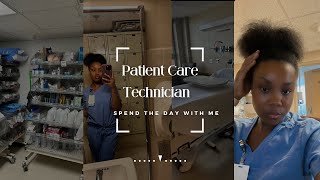


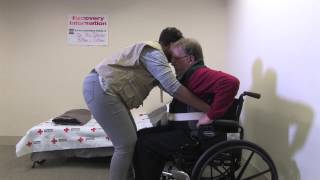


Helpful Resources
Articles and guides for deeper learning
Frequently Asked Questions
Quick answers to common questions
QWhat are the typical working hours for a patient care assistant?
Working hours can vary widely depending on the facility and the specific role. Many patient care assistants work full-time, which may include evenings, nights, weekends, and holidays, as healthcare facilities operate 24/7. Part-time positions are also common.
QWhat kind of patients do patient care assistants typically work with?
Patient care assistants work with a diverse range of patients, including the elderly, individuals with chronic illnesses, people recovering from surgery or injury, and those with disabilities. The specific patient population often depends on the healthcare setting.
QWhat is the difference between a patient care assistant and a certified nursing assistant (CNA)?
While job duties can overlap, CNAs typically have more formal training and are certified, allowing them to perform a broader range of tasks, especially those involving direct patient care under the supervision of a nurse. Patient care assistants may have varying levels of training depending on the employer, and their duties might be more focused on support and assisting CNAs and nurses.
Explore All 1,500+ Careers
Browse our full career explorer or take an assessment to get personalised recommendations.