Product Designer
Also known as: UX/UI Designer, UX Designer, UI Designer, Interaction Designer, Digital Product Designer
A Product Designer is a creative problem-solver who shapes digital products from start to finish. They focus on making products that are not only functional and easy to use but also meet business goals. This involves understanding user needs through research, designing the product's structure and flow, creating visual elements, and testing to ensure a great experience.
7
Skills to Learn
9
Career Levels
5
Top Companies
10
Education Paths
Sneak Peek
Do you love solving puzzles and creating things that people use every day, like your favorite apps or websites? What if you could be the person who designs how those digital experiences work and look, making them super easy and enjoyable for everyone?
What does a Product Designer do?
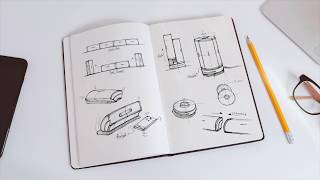
A Product Designer spends their day understanding user needs, brainstorming ideas, creating designs (like sketches, wireframes, and prototypes), testing those designs with users, and working with engineers and product managers to bring the product to life. It's a mix of creative thinking, problem-solving, and teamwork.
- Salary in India
- ₹6 to ₹25 lakh a year
- Demand
- Growing
- Remote work
- Hybrid
- Industry
- Information Technology
Is This Career For You?
Discover if your personality matches this career
Your Personality Fit (RIASEC)
Enjoys creativity and self-expression in designing appealing and functional products.
Likes to understand user needs and research solutions through problem-solving.
Appreciates structured processes and attention to detail in design execution.
Can be involved in defining product features and communicating design vision.
Enjoys collaborating with teams to create products that benefit users.
Less focused on hands-on creation of physical objects, more on the digital or conceptual aspects.
You'll Love This Career If...
Like what you see? Get full access.
Save this career, compare with others, and get your personalized career plan.
50,000+ students already signed up
A Day in the Life
What your typical workday looks like
Your day might start with a team meeting to discuss feedback from user testing on a new app feature. Then, you could dive into creating wireframes – simple blueprints – for a new part of the product, figuring out the best way for users to navigate. Later, you might work on the visual design, choosing colors and fonts, or collaborate with developers to make sure your design is built correctly. You'll constantly be thinking about the user and how to make their experience better.
Myth vs Reality
Tap to reveal the truth behind common misconceptions
Skills You'll Need
Master these to excel in this career
Technical Skills
4UX Research
Conducting user research to understand user needs and behaviors.
Prototyping
Creating interactive prototypes to visualize design concepts.
Design Tools
Proficiency in tools like Figma, Sketch, or Adobe XD.
Wireframing
Creating wireframes to outline the structure of a design.
Soft Skills
2Collaboration
Working effectively with cross-functional teams.
Problem-Solving
Identifying and solving complex design problems.
Domain Skills
1User-Centric Design
Designing products with the user's experience in mind.
Tools of the Trade
Software and tools you'll work with daily
Software
Figma
A popular tool for creating wireframes, prototypes, and user interfaces.
Sketch
Another widely used design tool for creating digital interfaces.
Adobe Creative Suite
A collection of software used for graphic design, video editing, and more, often utilized for visual elements.
Prototyping tools (e.g., Principle, Framer)
Software used to create interactive models of a product to test user flow and functionality.
AutoCAD
Primarily used for physical product design, enabling 2D and 3D drafting and modeling.
Want to build these skills?
Get a personalized learning roadmap and save careers that match your profile.
50,000+ students already signed up
Your Learning Path
Step-by-step guide to getting started
Understand the Basics
Start by learning about what product design is all about. Explore how designers think about user needs, create user flows, and understand the difference between product design and UX/UI design. Look into introductory articles and videos.
Develop Core Skills
Focus on learning key design skills like wireframing, prototyping, and user research. Familiarize yourself with design principles, color theory, and typography. Start practicing with design software.
Build Your Portfolio
Create a portfolio showcasing your projects. This can include personal projects, redesigns of existing products, or work from online courses. A strong portfolio is crucial for demonstrating your skills to potential employers.
Gain Experience and Network
Seek out internships or entry-level positions to gain hands-on experience. Connect with other designers, join online communities, and attend workshops or webinars to keep learning and find opportunities.
Career Progression
How your career will grow over time
Junior Product Designer
EntryAssists senior designers, creates basic design components, and supports user research.
- Assisting senior designers
- Creating basic design components
- Supporting user research
Product Designer
Mid-LevelInvolved in designing product interfaces, conducting usability tests, and collaborating with cross-functional teams.
- Designing product interfaces
- Conducting usability tests
- Collaborating with cross-functional teams
Senior Product Designer
SeniorLeads major design projects, mentors junior designers, and plays a key role in strategic design decisions.
- Leading major design projects
- Mentoring junior designers
- Making strategic design decisions
Lead Product Designer
LeadershipOversees the design team, ensures design consistency across projects, and aligns design goals with business objectives.
- Overseeing the design team
- Ensuring design consistency across projects
- Aligning design goals with business objectives
Product Design Manager
LeadershipManages the design team, coordinates design projects, and ensures alignment with business goals and user needs.
- Managing the design team
- Coordinating design projects
- Ensuring alignment with business goals and user needs
Senior Product Design Manager
LeadershipManages larger design teams, oversees multiple projects, and plays a critical role in company-wide design strategy.
- Managing larger design teams
- Overseeing multiple projects
- Contributing to company-wide design strategy
Director of Product Design
LeadershipSets the overall design direction for the company, collaborates with top executives, and ensures the design vision aligns with the company’s mission.
- Setting the overall design direction
- Collaborating with top executives
- Ensuring the design vision aligns with the company’s mission
VP of Product Design
LeadershipResponsible for the entire design organization, driving design excellence and contributing to the overall business strategy.
- Leading the entire design organization
- Driving design excellence
- Contributing to overall business strategy
Chief Design Officer (CDO)
LeadershipTop-level executive overseeing all design aspects of the company, ensuring cohesive design strategy across all products and services.
- Overseeing all design aspects of the company
- Ensuring cohesive design strategy
- Championing design as a core business value
Education Paths
Bachelor's Degree
Graphic Design, Industrial Design, Human-Computer Interaction, or related discipline
Design
Post-Secondary Certificate/Diploma
Associate Degree
Master's Degree
Professional Degree
Doctoral Degree
Post-Doctoral
Lower Secondary
Upper Secondary
No Formal Education
Top Hiring Companies
Salary & Future Growth
What you can earn and where the industry is headed
Salary Progression (INR)
Future Career OutlookCurrent Market: Growing
Product Designers are in high demand as companies increasingly focus on creating user-friendly and engaging digital experiences. This role requires a blend of creativity, technical understanding, and problem-solving skills to translate user needs and business goals into successful products. The ability to conduct user research, create intuitive interfaces, and collaborate with cross-functional teams is crucial.
The demand for Product Designers is expected to remain strong in the medium to long term. As technology evolves, so will the need for designers who can create innovative and accessible products across various platforms. Specialization in areas like AI-driven design, AR/VR experiences, or sustainable design could further enhance career prospects.
Looking far into the future, Product Designers will continue to be vital. The fundamental need for well-designed, user-centric products will persist. As the digital and physical worlds merge further, designers who can navigate complex systems and anticipate future user behaviors will be essential. Adaptability and continuous learning will be key to staying relevant.
Not sure if Product Designer is right for you?
Talk to a Stride counsellor for personalised guidance on whether this career fits your interests, strengths, and goals.
Watch & Learn
Curated videos to help you explore




Helpful Resources
Articles and guides for deeper learning
Frequently Asked Questions
Quick answers to common questions
QDo I need to be an amazing artist to be a Product Designer?
While an eye for aesthetics is helpful, being a great artist isn't the main requirement. Product Design is more about understanding user problems and creating functional, intuitive solutions. Visual design skills are important, but they go hand-in-hand with research, strategy, and technical understanding.
QWhat's the difference between a Product Designer and a Graphic Designer?
Graphic Designers focus on creating visual concepts, often for marketing or branding. Product Designers focus on the entire user experience of a digital product, from how it looks to how it works and how users interact with it. They design for functionality and problem-solving within a product.
Explore All 1,500+ Careers
Browse our full career explorer or take an assessment to get personalised recommendations.