Product Developer
Also known as: Product Engineer, Product Designer, Product Manager (Technical), Innovation Developer
A Product Developer is an innovator who designs, creates, and improves products, often in the tech industry. They work on everything from the initial concept to the final version, ensuring the product is functional, user-friendly, and meets market needs. This role involves a mix of creativity, technical skill, and understanding what customers want.
7
Skills to Learn
4
Career Levels
10
Top Companies
2
Education Paths
Sneak Peek
Do you love tinkering with new gadgets, solving real-world problems, and seeing your ideas come to life in the products people use every day?
What does a Product Developer do?
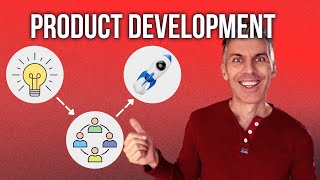
A Product Developer works on bringing new product ideas to life, from the initial concept to creating a working version. This involves understanding what users need, designing the product, and working with teams to build and test it.
- Salary in India
- ₹3 to ₹21 lakh a year
- Demand
- Growing
- Remote work
- Hybrid
- Industry
- Information Technology
Is This Career For You?
Discover if your personality matches this career
Your Personality Fit (RIASEC)
You enjoy understanding how things work, solving complex problems, and analyzing information to make informed decisions.
You are persuasive, enjoy leading, and are motivated by achieving goals and influencing others.
You like working with your hands, tools, and tangible results. You're practical and enjoy building or fixing things.
You have a creative flair and enjoy expressing yourself through design and innovation.
You are organized, detail-oriented, and enjoy working with data and established processes.
You enjoy collaborating with others and helping people. You're a team player.
You'll Love This Career If...
Like what you see? Get full access.
Save this career, compare with others, and get your personalized career plan.
50,000+ students already signed up
A Day in the Life
What your typical workday looks like
Your day might start with a team meeting to discuss the latest user feedback, followed by brainstorming new features for an app. You could spend the afternoon coding a new component, testing a prototype, or collaborating with designers to refine the user interface. The day often ends with reviewing progress and planning the next steps to bring the product closer to launch.
Myth vs Reality
Tap to reveal the truth behind common misconceptions
Skills You'll Need
Master these to excel in this career
Technical Skills
3Programming Foundations
Proficiency in at least one modern programming language.
Development Methodologies
Understanding of software development lifecycles and methodologies like Agile or Waterfall.
Testing and Debugging
Ability to create test cases, troubleshoot issues, and employ debugging tools.
Soft Skills
4Teamwork and Communication
Effective collaboration within teams and communicating technical information to non-technical stakeholders.
Problem-Solving Mindset
Demonstrated analytical thinking and the ability to break down complex problems.
Adaptability
Willingness to learn new things quickly and adapt to evolving technologies and project requirements.
Passion for Learning
An intrinsic drive for continuous improvement and exploring the latest trends and innovations in software development.
Tools of the Trade
Software and tools you'll work with daily
Software
Project Management Software
Tools like Jira or Asana help teams plan, track, and manage tasks throughout the development process.
Design and Prototyping Tools
Software like Figma or Sketch are used to create visual designs and interactive prototypes of the product.
Data Analysis Platforms
Tools such as Google Analytics or Tableau help in understanding user behavior and product performance.
Platform
Code Repositories
Platforms like GitHub allow developers to store, manage, and collaborate on code.
Want to build these skills?
Get a personalized learning roadmap and save careers that match your profile.
50,000+ students already signed up
Your Learning Path
Step-by-step guide to getting started
Explore the Basics
Start by understanding what a product is and the general lifecycle of bringing a product to market. Read articles, watch introductory videos, and learn about different roles within product development, like product managers, designers, and engineers.
Develop Foundational Skills
Identify an area that interests you most (e.g., design, coding, analysis) and begin learning fundamental skills. This could involve taking online courses in areas like UI/UX design, introductory programming (like Python), or data analysis basics.
Build and Experiment
Start working on small personal projects. This could be designing a simple app interface, building a basic website, or analyzing a public dataset. Creating a portfolio of these projects is key to showcasing your abilities.
Gain Real-World Exposure
Look for internships, volunteer opportunities, or entry-level roles in companies that develop products. This hands-on experience will help you learn industry best practices and further refine your skills.
Career Progression
How your career will grow over time
Junior Product Developer
EntryEntry-level role focused on assisting with product design, prototyping, and initial development.
- Assist in market research
- Help design prototypes
- Participate in product testing
Product Developer
Mid-LevelResponsible for overseeing the entire product lifecycle from ideation to market release.
- Conduct market research
- Design and develop products
- Manage product testing and iteration
Senior Product Developer
SeniorLeads complex product development projects and provides strategic direction.
- Set product strategy
- Lead cross-functional teams
- Ensure product alignment with company goals
Head of Product Development
LeadershipTop-level role responsible for the overall product development strategy and team management.
- Develop company-wide product strategy
- Manage product development teams
- Drive innovation and growth
Education Paths
Bachelor's Degree
B.Tech
Computer Science
Master's Degree
M.Sc
Product Management
Top Hiring Companies
Salary & Future Growth
What you can earn and where the industry is headed
Salary Progression (INR)
Future Career OutlookCurrent Market: Growing
Product developers are currently in demand as companies across various industries focus on creating innovative products and improving existing ones. They play a crucial role in bringing new ideas to market and ensuring products meet user needs and business objectives.
The long-term outlook for product developers remains positive, driven by the continuous need for innovation, digital transformation, and the integration of new technologies like AI. As businesses increasingly rely on software and digital products, the demand for skilled product developers is expected to persist.
Over the very long term, product developers will likely continue to be essential. Their ability to understand market needs, translate them into tangible products, and adapt to technological advancements ensures their role remains critical in driving business growth and innovation.
Not sure if Product Developer is right for you?
Talk to a Stride counsellor for personalised guidance on whether this career fits your interests, strengths, and goals.
Watch & Learn
Curated videos to help you explore


Helpful Resources
Articles and guides for deeper learning
Frequently Asked Questions
Quick answers to common questions
QDo I need to be a coding expert to be a Product Developer?
While understanding technology is important, you don't necessarily need to be a coding expert. Product Developers often collaborate with engineers and may focus more on strategy, user needs, and product direction.
QWhat kind of problems do Product Developers solve?
Product Developers solve problems by identifying unmet user needs or market gaps, and then creating solutions in the form of new products or features. They also solve challenges in how to best build and improve these products efficiently.
Explore All 1,500+ Careers
Browse our full career explorer or take an assessment to get personalised recommendations.