Production Manager/Manufacturing Manager
Also known as: Manufacturing Manager, Production Lead, Operations Manager
As a Production Manager, you're the conductor of the creation orchestra! You're in charge of making sure that everything needed to produce goods or content is planned, scheduled, and executed smoothly, on time, and within budget. This involves everything from managing teams and ensuring quality to solving unexpected problems and keeping a close eye on costs. Whether it's in a factory, on a movie set, or in a tech company, you're the person who makes the production happen efficiently and effectively.
8
Skills to Learn
7
Career Levels
2
Top Companies
6
Education Paths
Sneak Peek
Ever wondered how your favorite products get made, from a cool idea to your hands? Do you like taking charge and making sure things run like a well-oiled machine?
What does a Production Manager/Manufacturing Manager do?
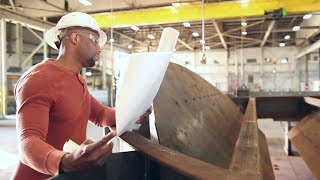
Daily tasks include overseeing production schedules, managing staff, ensuring quality control, troubleshooting issues, and coordinating with other departments to keep operations running smoothly.
- Salary in India
- ₹7 to ₹15 lakh a year
- Demand
- Growing
- Remote work
- Location-Bound
- Industry
- Manufacturing
Is This Career For You?
Discover if your personality matches this career
Your Personality Fit (RIASEC)
You enjoy working with tools, machines, and physical tasks. Production management often involves overseeing physical processes and equipment.
You are persuasive, enjoy leadership, and making decisions. Production managers often lead teams and make key operational decisions.
You are organized, detail-oriented, and like working with data and procedures. Production management requires strong organizational and planning skills.
You like to solve problems, analyze data, and find logical solutions. Production managers analyze processes and troubleshoot issues.
You enjoy helping and working with people. Production managers lead and motivate teams.
This role doesn't heavily rely on artistic expression or creativity.
You'll Love This Career If...
Like what you see? Get full access.
Save this career, compare with others, and get your personalized career plan.
50,000+ students already signed up
A Day in the Life
What your typical workday looks like
Your day often starts with checking in with your team, discussing the production schedule, and addressing any immediate issues. You might spend time reviewing quality control reports, meeting with suppliers to ensure materials are on track, or troubleshooting a piece of equipment that's acting up. Throughout the day, you'll be coordinating with different departments, making sure everyone is on the same page, and keeping a close watch on the budget. By the end of the day, you'll have a clear picture of the production's progress, having solved several challenges and ensured the team is set up for success tomorrow.
Myth vs Reality
Tap to reveal the truth behind common misconceptions
Skills You'll Need
Master these to excel in this career
Technical Skills
4Strong organizational and planning abilities
Juggling multiple tasks, managing schedules, and ensuring everything is well aligned.
Technical knowledge specific to industry
Familiarity with machinery, film equipment, or software specific to the industry.
Budgeting and cost management expertise
Skills in managing and controlling production costs.
Familiarity with quality control processes
Understanding and implementing quality standards in production.
Soft Skills
4Leadership and team management
Ability to lead and coordinate teams effectively.
Effective communication
Clear and effective communication with team members and stakeholders.
Problem-solving and decision-making
Ability to tackle unexpected issues and make quick decisions.
Attention to detail
Ensuring precision and accuracy in production processes.
Tools of the Trade
Software and tools you'll work with daily
Software
Manufacturing Execution System (MES)
Software to monitor and manage production processes in real-time.
Enterprise Resource Planning (ERP) Software
Systems to manage core business processes like finance, HR, and supply chain, often including production modules.
Computer-Aided Design (CAD)
Software used to create detailed designs and blueprints of products and parts.
Project Management Software
Tools to plan, track, and manage project timelines, resources, and tasks.
Quality Management System (QMS)
Software to ensure products meet quality standards through documentation and process control.
Hardware
Assembly Line Machinery
The various machines and equipment used to assemble products.
Robotics
Automated machines used for tasks like assembly, welding, or material handling.
Framework
Lean Manufacturing Principles
A methodology focused on minimizing waste and maximizing efficiency in production.
Six Sigma Methodology
A data-driven approach to improving processes by reducing defects and variations.
Want to build these skills?
Get a personalized learning roadmap and save careers that match your profile.
50,000+ students already signed up
Your Learning Path
Step-by-step guide to getting started
Understand the Basics of Manufacturing
Learn about different manufacturing processes (like assembly, machining, molding), raw materials, and basic production workflows. Explore introductory videos and articles on how things are made.
Learn About Quality and Safety
Study fundamental quality control principles (e.g., checking for defects) and workplace safety regulations. Understand why these are critical in a factory setting.
Develop Leadership and Communication Skills
Focus on how to talk to different people, give clear instructions, and work as part of a team. Practice explaining ideas and listening to others.
Explore Production Management Concepts
Read about production planning, scheduling, inventory management, and process improvement techniques like Lean manufacturing. Look for online courses or workshops on these topics.
Career Progression
How your career will grow over time
Apprentice/Intern
EntryEntry-level role focusing on learning and gaining in-field experience.
- Assisting senior staff
- Learning manufacturing processes
- Completing tasks as assigned
Production Line Worker
EntryPerforming hands-on tasks in production.
- Sorting and packaging products
- Handling raw materials
- Operating manual equipment
Machine Operator
Mid-LevelOperating advanced machinery to create products.
- Overseeing automated equipment
- Ensuring high-quality output
- Maintaining machinery
Production Supervisor
Mid-LevelOverseeing and coordinating production activities.
- Training employees
- Ensuring safety
- Resolving production issues
Engineer/Specialty Technician
SeniorDesigning and improving manufacturing processes.
- Designing new procedures
- Researching manufacturing methods
- Increasing efficiencies
Manufacturing Manager
SeniorOverseeing entire departments and facilities.
- Directing staff
- Coordinating operations
- Implementing changes to streamline processes
Director/Executive
LeadershipLeading the manufacturing organization at a high level.
- Building business reputation
- Developing marketing campaigns
- Setting measurable goals
Education Paths
Lower Secondary
Upper Secondary
Post-Secondary Certificate/Diploma
Associate Degree
Bachelor's Degree
Engineering/Manufacturing/Business Administration
Manufacturing/Engineering
Master's Degree
Manufacturing Management
Manufacturing Management
Top Hiring Companies
Salary & Future Growth
What you can earn and where the industry is headed
Salary Progression (INR)
Future Career OutlookCurrent Market: Growing
Production managers are in high demand as they ensure the smooth and efficient operation of manufacturing facilities. They are crucial for meeting production goals, maintaining quality, and managing resources effectively in today's dynamic market.
The manufacturing industry is rapidly evolving with technological advancements like AI, robotics, and automation. Production managers will need to adapt, focusing on sustainability, customization, and managing decentralized operations. Continuous learning and reskilling will be essential.
The role of a production manager is expected to remain vital, potentially shifting towards overseeing highly automated systems and data-driven operations. Human-centric approaches, combined with advanced technology, will shape the future, emphasizing adaptability, sustainability, and efficient resource management in a globalized and increasingly digital manufacturing landscape.
Not sure if Production Manager/Manufacturing Manager is right for you?
Talk to a Stride counsellor for personalised guidance on whether this career fits your interests, strengths, and goals.
Watch & Learn
Curated videos to help you explore




Helpful Resources
Articles and guides for deeper learning
Frequently Asked Questions
Quick answers to common questions
QWhat kind of education is typically required for a production manager role?
A bachelor's degree in a relevant field like engineering, business, or manufacturing operations is common. Many also pursue certifications or advanced degrees.
QWhat are the biggest challenges for a production manager?
Challenges can include managing tight deadlines, controlling costs, ensuring safety compliance, adapting to new technologies, and handling supply chain disruptions.
Explore All 1,500+ Careers
Browse our full career explorer or take an assessment to get personalised recommendations.