Radiologic Technologist
Also known as: Radiology Tech, X-ray Tech
Radiologic Technologists are healthcare professionals who use advanced imaging equipment, like X-rays, CT scanners, and MRI machines, to create images of the inside of a patient's body. These images are crucial for doctors to diagnose illnesses and injuries, plan treatments, and monitor patient progress. Radiologic technologists work closely with patients, explaining procedures, positioning them correctly for scans, and ensuring their comfort and safety throughout the imaging process. They play a vital role in modern medicine by providing clear, accurate diagnostic information that helps save lives and improve health outcomes.
8
Skills to Learn
3
Career Levels
5
Top Companies
2
Education Paths
Sneak Peek
Do you enjoy using cutting-edge technology to help people and solve mysteries within the human body? Imagine being the first to see what
What does a Radiologic Technologist do?
Radiologic Technologists are healthcare professionals who use advanced imaging equipment, like X-rays, CT scanners, and MRI machines, to create images of the inside of a patient's body. These images are crucial for doctors to diagnose illnesses and injuries, plan treatments, and monitor patient progress.
- Salary in India
- ₹3 to ₹7 lakh a year
- Demand
- Growing
- Remote work
- Location-Bound
- Industry
- Healthcare
Is This Career For You?
Discover if your personality matches this career
Your Personality Fit (RIASEC)
Likes to observe, investigate, and learn.
Enjoys working with tools, machinery, and physical tasks.
Enjoys helping and interacting with others.
Prefers structure, routine, and organized activities.
Appreciates creativity and self-expression.
Likes to lead, persuade, and take on challenges.
You'll Love This Career If...
Like what you see? Get full access.
Save this career, compare with others, and get your personalized career plan.
50,000+ students already signed up
A Day in the Life
What your typical workday looks like
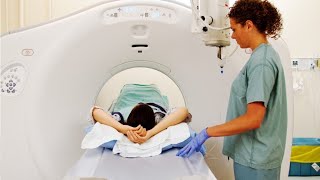
Your day starts by preparing the imaging rooms and equipment, ensuring everything is ready for patient examinations. You'll greet patients, explain the imaging procedure, and answer any questions they may have, helping to ease their anxiety. Throughout the day, you'll operate sophisticated machinery like X-ray or MRI scanners, carefully positioning patients to capture the best possible images. You'll also maintain detailed patient records, collaborate with radiologists to review the images, and ensure all safety protocols are followed. Each patient and each scan can be different, offering a dynamic work environment.
Myth vs Reality
Tap to reveal the truth behind common misconceptions
Skills You'll Need
Master these to excel in this career
Technical Skills
3Image Acquisition
Operating imaging machines like X-ray, CT, and MRI scanners.
Radiation Safety
Understanding and adhering to safety protocols to minimize radiation exposure.
Technical Troubleshooting
Addressing and resolving issues with imaging equipment.
Soft Skills
4Patient Care
Ensuring patient comfort and safety during imaging procedures.
Attention to Detail
Being meticulous in positioning patients and capturing clear images.
Team Collaboration
Working effectively with radiologists and other healthcare professionals.
Continuous Learning
Staying updated with the latest advancements in imaging technology.
Domain Skills
1Anatomy Knowledge
Having a good understanding of human anatomy to ensure accurate imaging.
Tools of the Trade
Software and tools you'll work with daily
Hardware
X-ray Machine
Produces X-rays to create images of internal body structures like bones.
CT Scanner
Uses X-rays to take multiple cross-sectional images of the body.
MRI Scanner
Uses powerful magnets and radio waves to create detailed images of soft tissues.
Mammography Equipment
Specialized X-ray equipment used for imaging breast tissue.
Radiographic Positioning Tools
Devices like sponges and straps used to help position patients accurately for scans.
Software
PACS (Picture Archiving and Communication System)
A system for storing, retrieving, and managing medical images.
RIS (Radiology Information System)
Manages patient data, scheduling, and billing for radiology departments.
Want to build these skills?
Get a personalized learning roadmap and save careers that match your profile.
50,000+ students already signed up
Your Learning Path
Step-by-step guide to getting started
Build Foundational Knowledge
Start with general education courses and introductions to healthcare. Learn basic patient care skills, understand vital signs, and get a first look at the principles of radiographic imaging and safety.
Master Core Technical Skills
Dive into medical terminology, anatomy, and physiology. Study the physics behind X-ray production and radiation safety. Practice patient positioning techniques and learn about different imaging modalities and common diseases.
Gain Hands-On Clinical Experience
Apply your knowledge through supervised clinical rotations in hospitals and imaging centers. Work with real patients, perform various types of diagnostic imaging like X-rays and CT scans, and experience specialized procedures.
Prepare for Certification and Career
Review comprehensively for professional certification exams like the ARRT. Participate in mock interviews, refine your resume, and prepare for your state licensure exam to be job-ready.
Career Progression
How your career will grow over time
Radiologic Technologist
EntryBeginners operate imaging equipment under supervision, focusing on learning and mastering basic procedures.
- Prepare patients for imaging procedures
- Operate imaging equipment
- Ensure patient safety and comfort
- Maintain equipment and records
Senior Radiologic Technologist
SeniorExperienced technologists take on more complex procedures and may supervise junior staff.
- Perform advanced imaging procedures
- Supervise junior technologists
- Ensure quality control of imaging processes
Lead Radiologic Technologist
LeadershipLead technologists manage teams, oversee imaging departments, and ensure compliance with regulations.
- Manage imaging department operations
- Ensure regulatory compliance
- Mentor and train staff
- Implement new imaging technologies
Education Paths
Associate Degree
Associate of Science in Radiologic Technology
Radiologic Technology
Bachelor's Degree
Bachelor of Science in Radiologic Sciences
Radiologic Sciences
Top Hiring Companies
Salary & Future Growth
What you can earn and where the industry is headed
Salary Progression (INR)
Future Career OutlookCurrent Market: Growing
Radiologic technologists are in demand as healthcare continues to grow. They play a crucial role in diagnosing illnesses and injuries by producing and analyzing medical images. The field is expected to see steady employment growth.
The demand for radiologic technologists is projected to remain stable, with new job openings arising from the need to replace workers who retire or transfer to other occupations. Technological advancements in medical imaging may also create new opportunities within the field.
As the population ages, the need for diagnostic imaging services is expected to increase, supporting a stable outlook for radiologic technologists. Opportunities may arise in specialized areas of imaging as technology evolves.
Not sure if Radiologic Technologist is right for you?
Talk to a Stride counsellor for personalised guidance on whether this career fits your interests, strengths, and goals.
Watch & Learn
Curated videos to help you explore


Helpful Resources
Articles and guides for deeper learning
Frequently Asked Questions
Quick answers to common questions
QWhat is the typical work schedule for a radiologic technologist?
Work schedules can vary, with many technologists working full-time. Some may work evenings, weekends, or be on call, especially in hospital settings.
QWhat are the different types of imaging a radiologic technologist might perform?
Radiologic technologists can specialize in various imaging modalities, including X-ray, CT scans, MRI, mammography, and nuclear medicine.
QWhat kind of education is required to become a radiologic technologist?
Typically, an associate's degree in radiologic technology is the minimum educational requirement. Some positions may prefer or require a bachelor's degree.
Explore All 1,500+ Careers
Browse our full career explorer or take an assessment to get personalised recommendations.