Recruitment Officer
Also known as: Recruiter, Talent Acquisition Specialist, Hiring Manager, Talent Sourcer
As a Recruitment Officer, you are the vital link between companies looking for talent and individuals seeking new career paths. Your main role is to understand the needs of hiring managers, source qualified candidates through various channels, screen applicants, and facilitate the hiring process from start to finish. You'll be instrumental in building strong teams by identifying and attracting the right people for the right roles.
30
Skills to Learn
4
Career Levels
8
Top Companies
2
Education Paths
Sneak Peek
Do you enjoy connecting people with opportunities and helping businesses grow by finding the perfect team members? If you
What does a Recruitment Officer do?
A Recruitment Officer spends their day sourcing candidates, screening applications, conducting initial interviews, coordinating with hiring managers, and managing the offer process. They use various tools and platforms to find and engage with potential employees.
- Salary in India
- ₹4 to ₹8 lakh a year
- Demand
- Growing
- Remote work
- Hybrid
- Industry
- Information Technology
Is This Career For You?
Discover if your personality matches this career
Your Personality Fit (RIASEC)
You enjoy persuading, leading, and influencing others.
You are motivated by helping and supporting others.
You appreciate order, structure, and clear guidelines.
You are curious and enjoy problem-solving and analysis.
You enjoy creative expression and non-traditional approaches.
You prefer hands-on work and tangible results.
You'll Love This Career If...
Like what you see? Get full access.
Save this career, compare with others, and get your personalized career plan.
50,000+ students already signed up
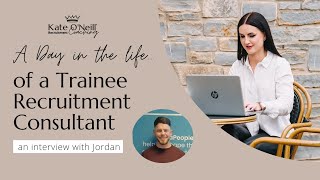
A Day in the Life
What your typical workday looks like
Your day might start with reviewing applications, followed by making calls to potential candidates or scheduling interviews. You could spend time networking with professionals, attending job fairs, or collaborating with hiring managers to refine job requirements. There will also be administrative tasks like updating candidate records and preparing reports. No two days are exactly alike as you navigate the dynamic world of talent acquisition.
Myth vs Reality
Tap to reveal the truth behind common misconceptions
Skills You'll Need
Master these to excel in this career
Technical Skills
9Interviewing Candidates
Conducts interviews to assess candidate suitability.
Screening
Reviews resumes and applications to shortlist candidates.
Technical Recruiter
Specializes in recruiting for technical roles.
Resume Screening
Reviews resumes to identify qualified candidates.
Job Descriptions & Postings
Creates and posts job descriptions to attract candidates.
HRIS Systems
Utilizes Human Resource Information Systems for recruitment processes.
Recruitment CRM
Manages candidate relationships using Customer Relationship Management tools.
Posting
Posts job openings on various platforms.
Basic Computers
Proficient in using basic computer applications.
Soft Skills
6Negotiation Skills
Negotiates job offers and salary packages with candidates.
Offer Negotiation
Negotiates job offers with candidates.
Strong Communication Skills
Effectively communicates with candidates, hiring managers, and team members.
Relationship Building
Builds and maintains relationships with candidates and hiring managers.
Communication Skills
Effectively communicates with candidates and hiring managers.
Hard Working
Demonstrates a strong work ethic and dedication.
Domain Skills
15Human Resource Management
Oversees the entire recruitment process from job posting to onboarding.
End to End Recruitment
Manages the complete recruitment cycle including sourcing, screening, and hiring.
Talent Acquisition
Identifies and attracts potential candidates for job openings.
Performance Appraisal
Evaluates employee performance and provides feedback.
Bulk Hiring
Manages large-scale recruitment drives.
Head Hunting
Actively seeks out and recruits top talent.
Corporate HR
Manages HR functions within a corporate environment.
Exit Formalities
Handles the process of employee offboarding.
Recruitment Development
Develops and implements recruitment strategies.
Employer Branding
Promotes the company as an attractive employer.
Strategic Sourcing
Identifies and sources candidates using strategic methods.
Onboarding Specialist
Manages the process of integrating new employees into the company.
Mass Recruitment
Manages large-scale recruitment efforts.
Lateral Hiring
Recruits experienced professionals for specific roles.
Talent Sourcing
Identifies and attracts potential candidates.
Tools of the Trade
Software and tools you'll work with daily
Software
Applicant Tracking System (ATS)
Software to manage job postings, candidate applications, and hiring pipelines.
Customer Relationship Management (CRM) Software
Tools to manage relationships with clients and candidates.
Recruit CRM
An integrated ATS and CRM platform specifically for recruiters.
Trello
A project management tool for organizing tasks and collaborating with team members.
Boomerang for Gmail
A plugin to schedule emails and manage your inbox efficiently.
Textio
Augmented writing tool that helps craft effective job descriptions and identify bias.
Grammarly
A tool to ensure error-free and professional written communication.
Platform
Zapier
An automation tool that connects different apps and automates workflows.
A professional networking platform used for sourcing candidates and building professional relationships.
Want to build these skills?
Get a personalized learning roadmap and save careers that match your profile.
50,000+ students already signed up
Your Learning Path
Step-by-step guide to getting started
Understand the Basics of Recruitment
Learn what recruitment is all about. This includes understanding the lifecycle of hiring, the roles of different players (recruiters, hiring managers, candidates), and the importance of matching the right talent with the right opportunity.
Develop Key Soft Skills
Focus on building essential skills like communication (listening, speaking, writing), interpersonal skills, resilience, negotiation, and problem-solving. Practice these through school projects, part-time jobs, or volunteer work.
Explore Recruitment Tools and Technologies
Get familiar with common tools used in recruitment, such as Applicant Tracking Systems (ATS), Customer Relationship Management (CRM) software, and professional networking platforms like LinkedIn. Many offer free trials or basic versions.
Gain Practical Experience
Seek internships or entry-level positions in recruitment or HR. This hands-on experience will solidify your learning, expose you to real-world challenges, and help you build a professional network.
Career Progression
How your career will grow over time
Recruitment Coordinator
EntryOrganizes recruitment efforts, posts job ads, schedules interviews, and liaises with candidates.
- Posting job ads
- Scheduling interviews
- Liaising with candidates
Talent Acquisition Specialist
Mid-LevelDevelops and refines the company's talent strategy, crafts job descriptions, and develops employer branding.
- Developing talent strategy
- Crafting job descriptions
- Developing employer branding
HR Manager
SeniorOversees various aspects of HR functions, including recruitment, policy formulation, and staff welfare.
- Overseeing HR functions
- Formulating policies
- Managing staff welfare
HR Director
LeadershipResponsible for the HR department's strategy and operations, developing HR plans in alignment with the organization's strategic aims.
- Developing HR strategy
- Overseeing HR operations
- Ensuring compliance with laws and regulations
Education Paths
Bachelor's Degree
B.Tech/B.Com/BA
Human Resources/Business Administration
Master's Degree
MBA
Human Resources/Business Administration
Top Hiring Companies
Salary & Future Growth
What you can earn and where the industry is headed
Salary Progression (INR)
Future Career OutlookCurrent Market: Growing
Recruitment Officers play a crucial role in connecting individuals with opportunities. The current job market involves a fast-paced race for talent, requiring efficient screening processes to identify the right candidates quickly. Recruiters must balance speed with quality, ensuring a positive candidate experience.
The demand for skilled Recruitment Officers is expected to remain stable, with moderate growth. As businesses continue to evolve and adapt to new technologies and work models, the need for professionals who can identify and attract top talent will persist. The increasing complexity of the job market and the rise of remote work may also create new avenues for recruitment.
In the long term, the role of a Recruitment Officer will likely continue to evolve with technological advancements. While AI and automation may handle some routine tasks, the human element of understanding candidate motivations, assessing cultural fit, and building relationships will remain critical. The ability to adapt to new recruitment strategies and tools will be key to sustained success.
Not sure if Recruitment Officer is right for you?
Talk to a Stride counsellor for personalised guidance on whether this career fits your interests, strengths, and goals.
Watch & Learn
Curated videos to help you explore



Helpful Resources
Articles and guides for deeper learning
Frequently Asked Questions
Quick answers to common questions
QWhat are the most important skills for a Recruitment Officer?
Key skills include strong communication, interpersonal skills, attention to detail, organizational abilities, and proficiency in using recruitment software. Understanding hiring trends and legal requirements is also important.
QIs this a good career for someone who enjoys working with people?
Absolutely! Recruitment is fundamentally about connecting people with opportunities. If you enjoy interacting with diverse individuals, understanding their career goals, and helping them find suitable roles, this could be a great fit.
Explore All 1,500+ Careers
Browse our full career explorer or take an assessment to get personalised recommendations.