Robotics and Automation Engineer
Also known as: Automation Engineer, Controls Engineer, Robotics Specialist
A robotics and automation engineer is like a creator, teacher, and mechanic for robots all rolled into one. They use a blend of mechanical engineering, electrical engineering, and computer science to design, build, program, and test robots that can perform tasks on their own. From the giant robotic arms that build cars to the smart vacuums that clean our floors, these engineers are the minds behind the machines, making them work safely, efficiently, and precisely.
10
Skills to Learn
4
Career Levels
5
Top Companies
3
Education Paths
Sneak Peek
Have you ever wondered how self-driving cars or sophisticated factory robots learn to perform complex tasks with incredible precision? Imagine being the mastermind behind these incredible machines, designing and building the future of automation.
What does a Robotics and Automation Engineer do?
A robotics and automation engineer is like a creator, teacher, and mechanic for robots all rolled into one. They use a blend of mechanical engineering, electrical engineering, and computer science to design, build, program, and test robots that can perform tasks on their own.
- Demand
- Growing
- Remote work
- Hybrid
- Industry
- Information Technology
Is This Career For You?
Discover if your personality matches this career
Your Personality Fit (RIASEC)
You enjoy understanding how things work, analyzing complex systems, and solving technical problems.
You like working with your hands, building things, and applying practical solutions to real-world challenges.
You appreciate structured processes, attention to detail, and documenting systems for clarity and maintenance.
You are comfortable taking initiative, leading projects, and communicating technical solutions to stakeholders.
You can thrive in collaborative team environments, but the primary focus is on technical problem-solving rather than direct human interaction.
While creativity is involved in problem-solving, the role is more focused on systematic engineering rather than artistic expression.
You'll Love This Career If...
Like what you see? Get full access.
Save this career, compare with others, and get your personalized career plan.
50,000+ students already signed up
A Day in the Life
What your typical workday looks like
Your day might start in the office, sketching out new designs for a robotic arm or writing code to control a new automated process. After a quick team sync, you might head to the factory floor to see your creation in action, fine-tuning its movements or troubleshooting a sensor. You could be programming a robot to weld car parts one moment and then collaborating with mechanical engineers to ensure a new system fits perfectly onto the assembly line the next. Evenings could involve testing simulations or documenting your work, ensuring everything is ready for the next phase of production or a new innovative project.
Myth vs Reality
Tap to reveal the truth behind common misconceptions
Skills You'll Need
Master these to excel in this career
Technical Skills
6Programming
Develop software systems that control how the robot operates.
Mathematics
Strong foundation in algebra, calculus, geometry, and linear algebra.
Mechanical and Electrical Basics
Understanding of basic circuit concepts, voltage, current, and mechanical components.
Hardware Integration
Experience with CAD tools and hands-on experience with sensors, actuators, and controllers.
Simulation and AI
Familiarity with simulation platforms and AI tools.
Control Systems and Embedded Development
Understanding of control theory, kinematics, and dynamics.
Soft Skills
4Teamwork and Communication
Ability to work effectively in cross-disciplinary teams.
Problem-Solving
Quick and systematic diagnosis of issues.
Adaptability
Willingness to learn new tools and technologies.
Leadership
Ability to manage projects and mentor junior engineers.
Tools of the Trade
Software and tools you'll work with daily
Hardware
Programmable Logic Controllers (PLCs)
Industrial computers that control manufacturing processes and automation systems.
Robot Controllers
The 'brains' of industrial robots, controlling their movements and operations.
Oscilloscopes and Multimeters
Electronic measuring instruments used for testing and troubleshooting electrical circuits.
Software
Human-Machine Interfaces (HMIs)
Touchscreens or control panels that allow operators to interact with automated systems.
SCADA Systems
Supervisory control and data acquisition systems used to monitor and manage industrial processes.
CAD Software (AutoCAD Electrical, EPLAN)
Computer-aided design tools used for creating electrical schematics and system layouts.
PLC Simulators
Software used to test and debug PLC code before deploying it on actual hardware.
Version Control Systems (Git)
Tools used to manage changes in code and software projects.
Platform
Industrial Networks (EtherNet/IP, Profinet)
Communication protocols that enable different industrial devices to exchange data.
Framework
ROS (Robot Operating System)
A flexible framework for writing robot software, providing tools and libraries for various robotic tasks.
Want to build these skills?
Get a personalized learning roadmap and save careers that match your profile.
50,000+ students already signed up
Your Learning Path
Step-by-step guide to getting started
Explore the Basics of Electronics and Programming
Start with fundamental concepts like basic electrical circuits (voltage, current, resistance) and an introductory programming language like Python. Many online tutorials and kits (like Arduino) are great for hands-on learning.
Learn about Mechanics and Control Systems
Understand the principles of mechanical components (gears, motors, linkages) and how control systems use feedback to make robots move precisely. Focus on concepts like kinematics and sensor integration.
Dive into Robotics Software and Platforms
Get familiar with specialized robotics software and platforms, such as the Robot Operating System (ROS). Learn about PLC programming for industrial automation and practice using simulators.
Gain Hands-On Experience and Build Projects
Work on personal robotics projects or join a robotics club. Participate in internships or entry-level technician roles to apply your knowledge in real-world scenarios and build a portfolio.
Career Progression
How your career will grow over time
Junior Robotics Engineer
EntryAssists in designing and building robots tailored for specific tasks across industries.
- Work under supervision to design robot components
- Assist in programming robots using languages like Python and C++
- Participate in testing and evaluation of robot performance
Robotics Engineer
Mid-LevelDesigns and constructs robots for specific tasks, ensuring they meet enterprise demands.
- Design and implement robot control systems
- Write code for precise robot movements and task execution
- Test and evaluate robot performance, identifying and fixing faults
Senior Robotics Engineer
SeniorLeads complex robotics projects, focusing on innovation and optimization.
- Lead design and development of advanced robotic systems
- Mentor junior engineers and collaborate with cross-functional teams
- Ensure compliance with safety standards and regulatory requirements
Robotics Engineering Manager
LeadershipManages a team of robotics engineers, overseeing project execution and strategic direction.
- Oversee project timelines and resource allocation
- Develop and implement robotics strategies aligned with business goals
- Ensure team compliance with industry standards and best practices
Education Paths
Bachelor's Degree
B.Tech in Mechanical Engineering (Robotics and Automation)
Mechanical Engineering
Post-Secondary Certificate/Diploma
Technical Diploma in Industrial Automation
Industrial Automation
Associate Degree
Associate Degree in Electrical Engineering
Electrical Engineering
Top Hiring Companies
Salary & Future Growth
What you can earn and where the industry is headed
Salary Progression (INR)
Future Career OutlookCurrent Market: Growing
Robotics and automation engineers are in high demand as industries increasingly adopt automated solutions for efficiency and innovation. This field is expanding rapidly, with significant growth expected.
The long-term outlook for robotics and automation engineers remains very positive, driven by advancements in AI, machine learning, and the continued integration of robots across various sectors like manufacturing, healthcare, and logistics. Expect continuous evolution and new opportunities.
The very long-term future of robotics and automation is bright, with potential for robots to become even more integrated into society and daily life. This will likely lead to a sustained and evolving demand for engineers who can design, build, and manage these complex systems.
Not sure if Robotics and Automation Engineer is right for you?
Talk to a Stride counsellor for personalised guidance on whether this career fits your interests, strengths, and goals.
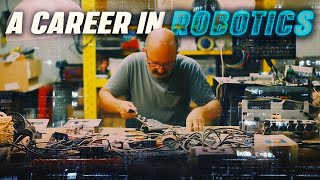
Watch & Learn
Curated videos to help you explore



Helpful Resources
Articles and guides for deeper learning
Frequently Asked Questions
Quick answers to common questions
QWill robots take all the jobs?
While robots and automation will change the job market, they are more likely to transform existing roles and create new ones rather than eliminate all jobs. Many roles will evolve to work alongside automation, focusing on tasks that require human creativity, critical thinking, and complex problem-solving.
QWhat kind of education is needed?
A strong foundation in engineering and computer science is crucial. Many robotics and automation engineers hold bachelor's or master's degrees in fields like Mechanical Engineering, Electrical Engineering, Computer Science, Mechatronics, or Robotics. Continuous learning through certifications and specialized courses is also important.
QWhat is the difference between a Robotics Engineer and an Automation Engineer?
While there's overlap, Robotics Engineers often focus specifically on the design, construction, and operation of robots themselves. Automation Engineers typically focus on designing, implementing, and maintaining automated processes and systems, which may or may not involve physical robots, using a broader range of automation tools and software.
Explore All 1,500+ Careers
Browse our full career explorer or take an assessment to get personalised recommendations.