School Teacher
Also known as: Educator, Instructor, Professor, Faculty
As a school teacher, you are a vital part of a student's growth and development. You'll guide them through various subjects, foster critical thinking, and help them build essential life skills. Your role involves creating engaging lesson plans, managing a classroom environment, and adapting your teaching methods to meet the diverse needs of your students, ultimately inspiring a lifelong love of learning.
9
Skills to Learn
4
Career Levels
21
Top Companies
3
Education Paths
Sneak Peek
Do you love explaining concepts to your friends or find joy in helping others understand difficult subjects? Imagine getting paid to share your knowledge and shape the future, one student at a time!
What does a School Teacher do?
You are a vital part of a student's growth and development. You'll guide them through various subjects, foster critical thinking, and help them build essential life skills. Your role involves creating engaging lesson plans, managing a classroom environment, and adapting your teaching methods to meet the diverse needs of your students, ultimately inspiring a lifelong love of learning.
- Salary in India
- ₹2.5 to ₹10 lakh a year
- Demand
- Growing
- Remote work
- Hybrid
- Industry
- Education
Is This Career For You?
Discover if your personality matches this career
Your Personality Fit (RIASEC)
You enjoy helping and supporting others, making a positive impact on their lives, and fostering their growth and development. Teaching allows you to guide students, share your passion for learning, and witness their progress, which can be incredibly fulfilling.
You have a curious mind and enjoy exploring subjects in depth. Teachers need to research topics, understand complex concepts to explain them clearly, and stay updated with their field of study.
You enjoy creative expression and finding innovative ways to present information. Teachers often need to design engaging lesson plans and find creative methods to make learning fun and memorable.
You are persuasive and enjoy leading and motivating others. Teachers often take the lead in the classroom, inspire students to achieve their goals, and encourage participation.
You prefer organized and structured environments and value attention to detail. While teaching has creative elements, it also requires planning, record-keeping, and adherence to curricula.
You prefer hands-on activities and working with tangible things. While teaching involves practical application of knowledge, the core is more about intellectual and social interaction.
You'll Love This Career If...
Like what you see? Get full access.
Save this career, compare with others, and get your personalized career plan.
50,000+ students already signed up
A Day in the Life
What your typical workday looks like
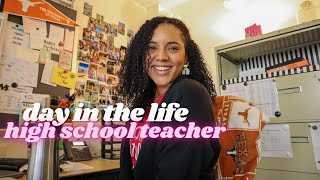
Your day typically starts before the first bell, preparing your classroom and materials. After greeting your students, you'll lead them through lessons, incorporating interactive activities and discussions. You'll answer questions, provide individual support, grade assignments, and communicate with parents. The day is dynamic, filled with the energy of young minds and the rewarding challenge of facilitating their learning.
Myth vs Reality
Tap to reveal the truth behind common misconceptions
Skills You'll Need
Master these to excel in this career
Technical Skills
3Subject Matter Expertise
Deep knowledge of the subject being taught.
Digital Literacy
Proficiency in using digital tools for teaching.
Curriculum Design
Ability to create and organize course content.
Soft Skills
6Effective Communication
Skill in conveying information clearly and engagingly.
Empathy
Understanding and relating to students' feelings and needs.
Adaptability
Flexibility in adjusting teaching methods to meet diverse needs.
Problem-Solving
Ability to find solutions to educational challenges.
Patience
Ability to remain calm and supportive in challenging situations.
Active Listening
Skill in fully concentrating, understanding, responding, and remembering what students say.
Tools of the Trade
Software and tools you'll work with daily
Hardware
Whiteboard/Smartboard
A surface used for writing and drawing during lessons, often interactive in smartboard form.
Projector
Used to display presentations, videos, or documents onto a screen or whiteboard.
Educational Textbooks and Workbooks
Printed materials containing subject-specific information and exercises for students.
Computers/Tablets
Devices used for research, digital learning activities, and accessing online resources.
Software
Lesson Planning Software
Tools to organize curriculum, create lesson outlines, and manage educational activities.
Platform
Learning Management System (LMS)
Online platforms used to manage course content, assignments, grades, and student communication.
Want to build these skills?
Get a personalized learning roadmap and save careers that match your profile.
50,000+ students already signed up
Your Learning Path
Step-by-step guide to getting started
Earn Your Bachelor's Degree
Start by getting a bachelor's degree in any subject. This is the first step for most teaching paths, providing you with foundational knowledge and a degree to build upon.
Complete Teacher Training & Certification
Pursue a teacher training program, like a Bachelor of Education (B.Ed.), a Master's in Teaching, or an accelerated certification program. This will equip you with teaching methodologies and classroom skills. You'll also need to pass state-specific eligibility tests.
Gain Practical Experience
Engage in internships, student teaching, or volunteer work in schools. This hands-on experience is crucial for developing classroom management skills and understanding student needs.
Apply for Teaching Positions
Begin applying for open teaching positions in schools. Prepare your resume and cover letter, and be ready for interviews and potential demo lessons. Focus on schools that align with your teaching interests and qualifications.
Career Progression
How your career will grow over time
Entry-Level Teacher
EntryAn entry-level teacher primarily focuses on delivering lessons and managing classroom activities.
- Deliver lessons to students
- Manage classroom behavior
- Assess student progress
- Communicate with parents
Mid-Level Teacher
Mid-LevelA mid-level teacher takes on additional responsibilities such as mentoring new teachers and participating in school committees.
- Deliver lessons to students
- Mentor new teachers
- Participate in school committees
- Develop curriculum materials
Senior Teacher
SeniorA senior teacher often leads subject departments, coordinates with other teachers, and may take on administrative roles.
- Lead subject departments
- Coordinate with other teachers
- Take on administrative roles
- Develop advanced curriculum materials
Head Teacher/Principal
LeadershipA head teacher or principal oversees the entire school, sets educational policies, and manages staff.
- Oversee the entire school
- Set educational policies
- Manage staff
- Engage with the community
Education Paths
Bachelor's Degree
B.Ed
Education
Post-Secondary Certificate/Diploma
PGCE
Education
Master's Degree
M.Ed
Education
Top Hiring Companies
Salary & Future Growth
What you can earn and where the industry is headed
Salary Progression (INR)
Future Career OutlookCurrent Market: Growing
The demand for teachers is expected to grow, especially for those with expertise in science, math, and bilingual education. Many current teachers are nearing retirement, which will create openings for new educators. There's also an increasing emphasis on early childhood education, boosting opportunities for preschool teachers.
While overall teaching positions are projected to grow at an average rate, specific areas like postsecondary education are expected to see faster growth. Geographic location and specialized skills, such as bilingual education or expertise in STEM subjects, will continue to influence job availability. Increased funding for education and legislative efforts to expand programs could further drive demand.
The long-term outlook for teachers remains stable, driven by the fundamental need for education. However, evolving educational technologies and pedagogical approaches may shift the skills required. Adaptability and a commitment to lifelong learning will be crucial for sustained success and career advancement in the teaching profession.
Not sure if School Teacher is right for you?
Talk to a Stride counsellor for personalised guidance on whether this career fits your interests, strengths, and goals.
Watch & Learn
Curated videos to help you explore



Helpful Resources
Articles and guides for deeper learning
Frequently Asked Questions
Quick answers to common questions
QWhat are the primary responsibilities of a school teacher?
A school teacher's main job is to educate students. This involves planning lessons, delivering instruction, assessing student progress, and managing the classroom environment. They also communicate with parents and collaborate with colleagues.
QWhat subjects are in high demand for teachers?
Currently, there is a high demand for teachers with expertise in STEM subjects (Science, Technology, Engineering, and Mathematics), as well as bilingual education. Early childhood education is also a growing field.
QCan teachers work remotely?
While traditional teaching is in-person, the rise of online learning has created hybrid opportunities. Some teaching roles, particularly at the postsecondary level or for specialized online programs, can be remote or hybrid, blending online and in-person instruction.
Explore All 1,500+ Careers
Browse our full career explorer or take an assessment to get personalised recommendations.