Security Systems Installer
Also known as: CCTV Installer, Alarm System Technician, Access Control Technician
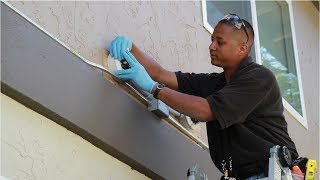
A Security Systems Installer is a skilled professional who installs, maintains, and repairs a variety of security systems. This can include everything from alarm systems and surveillance cameras (CCTV) to access control systems and fire alarms. They ensure that these systems are set up correctly, function properly, and provide the necessary security for homes and businesses. It involves understanding wiring, hardware, and software components to create a secure environment.
5
Skills to Learn
4
Career Levels
5
Top Companies
4
Education Paths
Sneak Peek
Ever wondered how homes and businesses stay safe from intruders or fires? Do you like working with your hands and solving puzzles to protect people and property?
What does a Security Systems Installer do?
A Security Systems Installer is a skilled professional who installs, maintains, and repairs a variety of security systems. This can include everything from alarm systems and surveillance cameras (CCTV) to access control systems and fire alarms. They ensure that these systems are set up correctly, function properly, and provide the necessary security for homes and businesses.
- Salary in India
- ₹2.5 to ₹8 lakh a year
- Demand
- Growing
- Remote work
- Location-Bound
- Industry
- Information Technology
Is This Career For You?
Discover if your personality matches this career
Your Personality Fit (RIASEC)
You enjoy hands-on work and using tools to build or fix things.
You like to solve problems and figure out how things work.
You enjoy helping people and explaining technical concepts clearly.
You are organized and follow procedures and safety regulations carefully.
You can take initiative and manage your time effectively on different job sites.
This role doesn't heavily rely on artistic expression.
You'll Love This Career If...
Like what you see? Get full access.
Save this career, compare with others, and get your personalized career plan.
50,000+ students already signed up
A Day in the Life
What your typical workday looks like
Your day often starts by reviewing your schedule and the specific jobs for the day. You might head to a client's home or business to install a new alarm system, which involves running wires, mounting cameras, and configuring the main control panel. Later, you could be troubleshooting a malfunctioning CCTV system at another location or performing routine maintenance on an access control system. You'll interact with clients to explain how the system works and answer any questions they might have, ensuring they feel secure and informed.
Myth vs Reality
Tap to reveal the truth behind common misconceptions
Skills You'll Need
Master these to excel in this career
Technical Skills
2Security System Installation
The ability to physically install and configure security systems such as CCTV cameras, alarms, and access control systems.
Troubleshooting
The ability to diagnose and resolve issues with security systems.
Soft Skills
2Customer Service
The ability to communicate effectively with clients and provide excellent service.
Project Management
The ability to manage multiple projects and deadlines efficiently.
Domain Skills
1Knowledge of Security Protocols
Understanding of industry standards and best practices for security systems.
Tools of the Trade
Software and tools you'll work with daily
Hardware
Low-voltage wiring tools
Used for safely connecting wires for alarm systems, cameras, and access control devices.
Drill
Essential for making holes in walls to run wires and mount equipment.
Multimeter
A device used to measure voltage, current, and resistance to test electrical components.
Video surveillance equipment
Includes cameras, monitors, and recording devices that need to be installed and configured.
Access control systems
Components like card readers, keypads, and electronic locks that manage entry.
System diagnostic tools
Used to test and troubleshoot the functionality of installed security systems.
Software
Blueprint and wiring diagram software
Tools used to read and sometimes modify technical drawings for system installations.
Customer relationship management (CRM) software
May be used to manage client information, service calls, and project details.
Want to build these skills?
Get a personalized learning roadmap and save careers that match your profile.
50,000+ students already signed up
Your Learning Path
Step-by-step guide to getting started
Build Foundational Knowledge
Start by earning a high school diploma or GED. Focus on math and any technology or shop classes offered, as these can provide a basic understanding of problem-solving and working with your hands.
Gain Technical Skills
Enroll in a trade school or vocational program that focuses on low-voltage electrical systems, security systems installation, and safety protocols. Look for programs that offer hands-on training.
Get Licensed and Certified
Research and fulfill any state or local licensure requirements. Consider obtaining industry certifications in areas like electronic security networking or video surveillance to enhance your skills and marketability.
Start Your Career
Apply for entry-level Security Systems Installer positions. Gain practical experience on the job, continue learning about new technologies, and consider advancing your certifications or pursuing further education if desired.
Career Progression
How your career will grow over time
Security Systems Installer Assistant
EntryAssists experienced installers with tasks like handling equipment, reading specifications, and troubleshooting.
- Helping with installations
- Learning from experienced installers
- Assisting in troubleshooting basic issues
Security Systems Installer
Mid-LevelInstalls, maintains, and troubleshoots security systems in residential or commercial settings.
- Setting up wiring systems
- Discussing client needs
- Ensuring system functionality
Senior Security Systems Installer
SeniorLeads installation projects, trains junior installers, and ensures compliance with safety regulations.
- Managing projects
- Training new employees
- Ensuring regulatory compliance
Security Systems Installation Manager
LeadershipOversees the entire installation process, manages a team of installers, and strategizes for business growth.
- Managing teams
- Strategizing business growth
- Ensuring high-quality installations
Education Paths
Upper Secondary
Post-Secondary Certificate/Diploma
Certificate in Electronic Fire and Security Systems
Electronics
Associate Degree
Diploma in Electrical and Electronic Engineering
Electrical Engineering
Bachelor's Degree
Bachelor's Degree in Electrical or Construction Technology
Electrical Engineering
Top Hiring Companies
Salary & Future Growth
What you can earn and where the industry is headed
Salary Progression (INR)
Future Career OutlookCurrent Market: Growing
Security systems are in high demand across various sectors, including transportation, government, and commercial areas, to combat growing security threats. The market is expanding due to increased spending on advanced technologies like AI-driven screening and biometrics.
The security screening market is projected to continue its strong growth trajectory, driven by ongoing geopolitical tensions, evolving terrorist activities, and the need for next-generation security technologies. AI, biometric, and multi-sensor fusion technologies will play increasingly important roles.
The long-term outlook for security systems installation remains positive as technology continues to advance. The integration of AI, IoT, and advanced analytics will create new opportunities and challenges, requiring continuous adaptation and skill development in the field to maintain global security and safety.
Not sure if Security Systems Installer is right for you?
Talk to a Stride counsellor for personalised guidance on whether this career fits your interests, strengths, and goals.
Watch & Learn
Curated videos to help you explore


Helpful Resources
Articles and guides for deeper learning
Frequently Asked Questions
Quick answers to common questions
QWhat are the main responsibilities of a Security Systems Installer?
Security Systems Installers are responsible for installing, maintaining, and repairing security systems such as alarm systems, surveillance cameras, access control systems, and other electronic security equipment in homes, businesses, and other facilities.
QWhat skills are most important for a Security Systems Installer?
Key skills include knowledge of electronic systems, troubleshooting abilities, understanding of security protocols, good manual dexterity, attention to detail, and strong communication skills to interact with clients and understand their needs.
QWhat is the typical work environment for a Security Systems Installer?
Installers often work at client sites, which can include homes, offices, retail spaces, schools, and government buildings. The work can involve working at heights, in confined spaces, and sometimes in varied weather conditions.
Explore All 1,500+ Careers
Browse our full career explorer or take an assessment to get personalised recommendations.