Sewing Machine Operator
Also known as: sewer, stitcher, operator
A sewing machine operator is a skilled professional who operates industrial sewing machines to create or alter textile products. They work with various fabrics and materials, following patterns and specifications to assemble garments, upholstery, or other textile goods. This role requires precision, attention to detail, and the ability to maintain consistent quality in their work.
9
Skills to Learn
4
Career Levels
5
Top Companies
1
Education Paths
Sneak Peek
Ever wondered how your favorite clothes or cozy blankets are made? Do you enjoy working with your hands and seeing tangible results from your efforts? If so, a career as a sewing machine operator might be a perfect fit for you!
What does a Sewing Machine Operator do?
A sewing machine operator is a skilled professional who operates industrial sewing machines to create or alter textile products. They work with various fabrics and materials, following patterns and specifications to assemble garments, upholstery, or other textile goods. This role requires precision, attention to detail, and the ability to maintain consistent quality in their work.
- Salary in India
- ₹2.5 to ₹8 lakh a year
- Demand
- Declining
- Remote work
- Location-Bound
- Industry
- Cut and Sew Apparel Manufacturing
Is This Career For You?
Discover if your personality matches this career
Your Personality Fit (RIASEC)
You enjoy working with your hands and operating machinery to create tangible products.
You are detail-oriented, follow procedures precisely, and work efficiently in a structured production environment.
You like understanding how things work and solving problems, like figuring out why a machine isn't running smoothly.
Opportunities exist to move into leadership or quality control roles, which involve more initiative and decision-making.
While not the primary focus, an appreciation for design and aesthetics can be helpful in understanding the final product.
You'll collaborate with team members and supervisors, but the role is more hands-on than people-focused.
You'll Love This Career If...
Like what you see? Get full access.
Save this career, compare with others, and get your personalized career plan.
50,000+ students already signed up
A Day in the Life
What your typical workday looks like
Your day starts by reviewing the production schedule and preparing your workstation. You'll then operate an industrial sewing machine, carefully guiding fabric through it to create seams, hems, or other required stitches. You might be working on anything from jeans to car seats, ensuring each piece is sewn accurately according to specifications. Throughout the day, you'll perform quality checks, troubleshoot any machine issues, and collaborate with team members to meet production goals, all while maintaining a steady pace.
Myth vs Reality
Tap to reveal the truth behind common misconceptions
Skills You'll Need
Master these to excel in this career
Technical Skills
3Sewing Machine Operation
Operate various types of sewing machines to produce garments.
Quality Control
Inspect garments for defects and ensure they meet quality standards.
Safety Procedures
Adhere to safety protocols while operating machinery.
Soft Skills
5Attention to Detail
Ensure precision in garment production and quality.
Teamwork
Work collaboratively with other operators and production staff.
Time Management
Meet production deadlines and manage workload efficiently.
Problem-Solving
Identify and resolve issues with sewing machines and production processes.
Adaptability
Adjust to different sewing machine models and production requirements.
Domain Skills
1Textile Knowledge
Understanding of different types of fabrics and their properties.
Tools of the Trade
Software and tools you'll work with daily
Hardware
Industrial Sewing Machines (e.g., single-needle, overlock, coverstitch)
The primary machines used for stitching various materials together with speed and precision.
Sewing Machine Maintenance Kit (lubricants, cleaning supplies)
Essential for keeping machines in good working order, ensuring smooth operation and longevity.
Measuring Tapes and Rulers
Used for accurate fabric cutting and ensuring components meet specified dimensions.
Scissors and Shears
Specialized cutting tools for fabric and other materials.
Seam Rippers
A small but crucial tool for correcting mistakes or making adjustments by carefully removing stitches.
Software
Production Tracking Software/Tablets
Some facilities use simple computer systems to log production data, track output, and manage inventory.
Want to build these skills?
Get a personalized learning roadmap and save careers that match your profile.
50,000+ students already signed up
Your Learning Path
Step-by-step guide to getting started
Get Comfortable with Basic Sewing
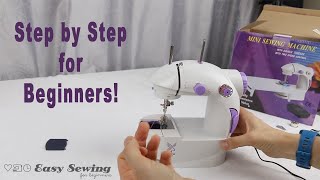
Start by practicing on a home sewing machine. Learn to sew straight lines, curves, and basic stitches. Get a feel for how different fabrics behave and how to adjust thread tension.
Understand Industrial Machines
Research the types of industrial sewing machines used in manufacturing (like lockstitch, serger, coverstitch). Learn about their functions and what they are best suited for.
Practice, Practice, Practice!
Take on small projects, like making simple tote bags or mending clothes for friends. This builds your speed, accuracy, and confidence. Document your work – photos can be a great addition to a future resume.
Seek On-the-Job Training
Look for entry-level positions where companies offer training. This is the best way to learn the specific machines and processes used in a real production environment.
Career Progression
How your career will grow over time
Junior Sewing Machine Operator
EntryNew operators assist in setup and basic sewing tasks under supervision.
- Assist in setting up sewing machines
- Operate basic sewing machines
- Inspect basic stitching for quality control
- Perform simple machine maintenance
Sewing Machine Operator
Mid-LevelExperienced operators handle complex sewing tasks and troubleshoot issues.
- Operate various types of sewing machines
- Adjust machine settings for different materials
- Perform detailed quality checks
- Conduct regular machine maintenance
Senior Sewing Machine Operator
SeniorSenior operators oversee production lines and train new employees.
- Supervise production lines
- Train and mentor junior operators
- Implement quality control measures
- Optimize machine efficiency
Sewing Machine Operator Supervisor
LeadershipSupervisors manage teams, ensure production goals are met, and handle advanced machine troubleshooting.
- Manage a team of sewing machine operators
- Ensure production targets are achieved
- Handle advanced machine troubleshooting
- Coordinate with other departments for production planning
Education Paths
Lower Secondary
High School Diploma or Equivalent
Top Hiring Companies
Salary & Future Growth
What you can earn and where the industry is headed
Salary Progression (INR)
Future Career OutlookCurrent Market: Declining
Sewing machine operators are essential in manufacturing industries, operating machines to stitch various materials for products like apparel, furniture, and even automotive interiors. The role requires precision and attention to detail to ensure quality seams and finishes. While the demand for this specific role is projected to decline, the fundamental skills of operating industrial machinery remain relevant in manufacturing contexts.
The long-term outlook for sewing machine operators suggests a continued decline in demand, largely due to automation and shifts in manufacturing. However, there will likely still be a need for skilled operators in niche areas, custom manufacturing, or for specialized products where automation is less feasible or cost-effective. Adaptability to new technologies and materials will be key.
The future of sewing machine operation is heavily influenced by technological advancements. While the traditional role may diminish, evolving manufacturing processes might create new opportunities related to automated textile production or highly specialized textile applications. Continuous learning and upskilling will be crucial for long-term career viability.
Not sure if Sewing Machine Operator is right for you?
Talk to a Stride counsellor for personalised guidance on whether this career fits your interests, strengths, and goals.
Watch & Learn
Curated videos to help you explore


Helpful Resources
Articles and guides for deeper learning
Frequently Asked Questions
Quick answers to common questions
QWhat is the typical work environment for a sewing machine operator?
Sewing machine operators usually work in manufacturing facilities, garment factories, or textile mills. These environments can be noisy due to machinery and require long periods of standing or sitting. The pace is often fast-paced and repetitive.
QWhat kind of education is typically required?
A high school diploma or equivalent is generally required. Most of the specific skills are learned through on-the-job training or vocational programs.
QWhat are the main responsibilities of a sewing machine operator?
Key responsibilities include setting up and operating industrial sewing machines, stitching materials according to specifications, inspecting finished products for defects, and performing routine machine maintenance.
QWhat industries employ sewing machine operators?
Top industries include Cut and Sew Apparel Manufacturing, Textile Product Mills, Furniture Manufacturing, and Transportation Equipment Manufacturing.
QIs this a job that can be done remotely?
No, this is a hands-on role that requires operating machinery in a physical facility, so remote work is not possible.
Explore All 1,500+ Careers
Browse our full career explorer or take an assessment to get personalised recommendations.