Technical Support Engineer
Also known as: Tech Support, Help Desk Technician, Customer Support Specialist
A Technical Support Engineer is a problem-solver for all things technology. They help customers, who might be individuals or other businesses, when they encounter issues with software, hardware, or other tech products. This involves understanding the problem, troubleshooting, and providing clear solutions to get things back up and running smoothly. They are the bridge between complex technology and the people who use it.
8
Skills to Learn
4
Career Levels
9
Top Companies
4
Education Paths
Sneak Peek
Do you enjoy solving puzzles and helping others figure things out? In the world of technology, a Technical Support Engineer is like a digital detective, solving mysteries for users when their devices or software aren't working as expected.
What does a Technical Support Engineer do?
A Technical Support Engineer is a problem-solver for all things technology. They help customers, who might be individuals or other businesses, when they encounter issues with software, hardware, or other tech products. This involves understanding the problem, troubleshooting, and providing clear solutions to get things back up and running smoothly.
- Salary in India
- ₹3 to ₹12 lakh a year
- Demand
- Growing
- Remote work
- Hybrid
- Industry
- Information Technology
Is This Career For You?
Discover if your personality matches this career
Your Personality Fit (RIASEC)
Like to study and solve problems, often involving complex systems or data.
Enjoy helping and interacting with others.
Enjoy structure, order, and following procedures.
Enjoy working with your hands, tools, and machinery. Problem-solving hands-on issues.
Like to lead, persuade, and influence others.
Prefer creative and expressive activities.
You'll Love This Career If...
Like what you see? Get full access.
Save this career, compare with others, and get your personalized career plan.
50,000+ students already signed up
A Day in the Life
What your typical workday looks like
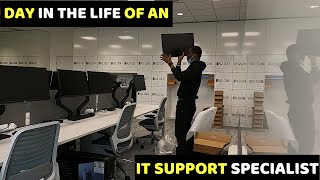
Your day starts by checking for urgent issues that came in overnight. Then, you might spend time responding to customer tickets, which are like digital help requests, by investigating the problem, trying out solutions, and explaining them clearly. You could be on a call with a frustrated user, calmly guiding them through steps, or collaborating with your team to solve a tricky bug. There’s also time for learning about new updates to the products you support and documenting solutions so everyone can benefit from your expertise.
Myth vs Reality
Tap to reveal the truth behind common misconceptions
Skills You'll Need
Master these to excel in this career
Technical Skills
3Problem-solving
Ability to diagnose and resolve technical issues efficiently.
Technical Knowledge
Understanding of various IT systems and software.
Documentation
Creating clear and concise documentation for technical procedures.
Soft Skills
5Communication
Effectively explaining technical solutions to non-technical users.
Customer Service
Providing excellent support and assistance to users.
Adaptability
Ability to adapt to new technologies and changing environments.
Team Collaboration
Working effectively with other IT professionals.
Time Management
Prioritizing tasks and managing time efficiently.
Tools of the Trade
Software and tools you'll work with daily
Software
Ticketing Systems (e.g., Jira, ServiceNow)
Software used to track, manage, and prioritize incoming support requests.
Remote Desktop Software (e.g., TeamViewer, AnyDesk)
Allows support staff to access and control a user's computer remotely to diagnose and fix issues.
Knowledge Base Software
A centralized repository of information, guides, and solutions for common problems.
Communication Platforms (e.g., Slack, Microsoft Teams)
Tools for internal team communication and collaboration.
Operating Systems (Windows, macOS, Linux)
The fundamental software that manages computer hardware and software resources.
Virtualization Software (VMware, VirtualBox)
Software that allows running multiple operating systems on a single physical machine, often used for testing and support.
Platform
Cloud Platforms (AWS, Azure, Google Cloud)
Platforms providing services that support various applications and infrastructure, often requiring support.
Want to build these skills?
Get a personalized learning roadmap and save careers that match your profile.
50,000+ students already signed up
Your Learning Path
Step-by-step guide to getting started
Build Foundational Computer Skills
Get comfortable with how computers work. Learn about operating systems like Windows and macOS, basic hardware components, and how to navigate file systems. Practice using common software like word processors and web browsers.
Understand Networking Basics
Learn how computers connect to each other and the internet. Understand concepts like IP addresses, Wi-Fi, routers, and modems. This helps in diagnosing connectivity issues.
Explore Common Software and Troubleshooting
Dive into popular applications (e.g., Microsoft Office Suite, web browsers) and learn common troubleshooting steps for them. Understand how to diagnose and fix software glitches, installation problems, and performance issues.
Develop Communication and Customer Service Skills
Practice explaining technical concepts in simple terms, actively listening to user problems, and providing patient, step-by-step guidance. Learn how to manage user expectations and de-escalate frustrated situations.
Career Progression
How your career will grow over time
Technical Support Specialist
EntryEntry-level role providing frontline support to customers.
- Diagnose and resolve technical issues
- Guide users through troubleshooting procedures
- Document interactions and solutions
Technical Support Engineer
Mid-LevelMid-level role with more complex responsibilities.
- Monitor and maintain computer networks
- Install software and perform system updates
- Repair and resolve technical issues
Senior Technical Support Engineer
SeniorSenior role with advanced responsibilities.
- Develop solutions for new or unresolved issues
- Collaborate with product development teams
- Mentor junior support staff
IT Manager
LeadershipLeadership role overseeing technical support teams.
- Manage technical support operations
- Develop strategic plans for IT support
- Ensure alignment with organizational goals
Education Paths
Upper Secondary
Post-Secondary Certificate/Diploma
CompTIA A+
Associate Degree
Associate's Degree in Information Technology
Bachelor's Degree
Bachelor's Degree in Information Technology
Top Hiring Companies
Salary & Future Growth
What you can earn and where the industry is headed
Salary Progression (INR)
Future Career OutlookCurrent Market: Growing
Technical Support Agents are in high demand as businesses rely heavily on technology and need skilled individuals to help their customers and employees with technical issues. This role is crucial for ensuring smooth operations and customer satisfaction.
The demand for Technical Support Agents is expected to remain strong in the medium to long term, driven by the increasing complexity of technology and the continuous need for expert assistance. As more devices and software are introduced, the need for support will grow proportionally.
In the very long term, while AI and automation may handle some routine tasks, the need for human Technical Support Agents who can handle complex, nuanced, and unique problems will persist. The role may evolve to focus more on specialized areas and high-level problem-solving, ensuring continued relevance.
Not sure if Technical Support Engineer is right for you?
Talk to a Stride counsellor for personalised guidance on whether this career fits your interests, strengths, and goals.
Watch & Learn
Curated videos to help you explore





Helpful Resources
Articles and guides for deeper learning
Frequently Asked Questions
Quick answers to common questions
QWhat kind of personality is a good fit for technical support?
A good fit for technical support involves being patient, a good communicator, and a natural problem-solver. People who enjoy helping others and figuring out how things work are often successful in this role.
QDo I need a degree to work in technical support?
While a degree can be helpful, it's not always required. Many technical support roles value practical experience, certifications like CompTIA A+, and a strong understanding of computer systems. Some positions may prefer an associate's or bachelor's degree in a computer-related field.
QWhat are the biggest challenges in technical support?
Key challenges include dealing with frustrated users, managing a high volume of requests, staying updated with rapidly changing technology, and solving complex problems that don't have immediate solutions.
QHow does remote work affect technical support roles?
Remote work has made many technical support roles more flexible, with a rise in hybrid and fully remote positions. This requires strong communication skills and proficiency with remote support tools to assist users effectively from a distance.
Explore All 1,500+ Careers
Browse our full career explorer or take an assessment to get personalised recommendations.