Waste Tracking Specialist
Also known as: Waste Management Data Analyst, Waste Flow Coordinator, Environmental Compliance Officer (Waste), Sustainability Data Specialist
A Waste Tracking Specialist is responsible for monitoring, documenting, and analyzing the movement and management of waste materials. This involves using various systems to record where waste comes from, how it’s transported, where it’s processed, and its final destination. They help organizations comply with environmental regulations, optimize waste reduction strategies, and identify opportunities for recycling and resource recovery.
6
Skills to Learn
4
Career Levels
5
Top Companies
3
Education Paths
Sneak Peek
Ever wondered what happens to your trash after it leaves your curb? Or how we make sure valuable resources aren't just buried in landfills? A Waste Tracking Specialist plays a crucial role in managing this entire process, ensuring efficiency and sustainability.
What does a Waste Tracking Specialist do?
A Waste Tracking Specialist uses technology and data to monitor, manage, and report on waste materials. This helps organizations comply with environmental regulations, reduce waste, and improve sustainability efforts.
- Salary in India
- ₹3.5 to ₹10 lakh a year
- Demand
- Growing
- Remote work
- Hybrid
- Industry
- Waste Management
Is This Career For You?
Discover if your personality matches this career
Your Personality Fit (RIASEC)
You enjoy organizing and managing information, ensuring accuracy and efficiency in data handling.
You have a knack for detailed analysis and problem-solving, digging deep to understand patterns and trends.
You appreciate practical, hands-on tasks and can be focused on tangible outcomes and processes.
You can work effectively with others and communicate information clearly to different audiences.
You can take initiative and guide processes, but may not be driven by sales or leadership.
While creativity isn't the main focus, you can appreciate innovative solutions in how data is managed.
You'll Love This Career If...
Like what you see? Get full access.
Save this career, compare with others, and get your personalized career plan.
50,000+ students already signed up
A Day in the Life
What your typical workday looks like
Imagine starting your day by checking dashboards that show real-time data on waste collection routes and processing facility loads. You might then spend time analyzing reports to identify trends, such as which materials are being recycled most effectively or where unexpected waste streams are originating. Later, you could be coordinating with collection teams or facility managers to resolve any tracking discrepancies or to implement new data collection protocols. Your goal is always to ensure accurate information is being gathered and used to improve waste management practices.
Myth vs Reality
Tap to reveal the truth behind common misconceptions
Skills You'll Need
Master these to excel in this career
Technical Skills
2Operating waste equipment
Proficiency in operating machinery used in waste collection and processing.
Data analysis
Skill in analyzing waste data to identify trends and optimize processes.
Soft Skills
3Communication
Ability to effectively communicate with stakeholders and team members.
Problem-solving
Capability to identify and resolve issues in waste management processes.
Leadership
Skill in leading teams and managing projects related to waste tracking.
Domain Skills
1Regulatory compliance
Understanding and adhering to environmental regulations and waste management laws.
Tools of the Trade
Software and tools you'll work with daily
Software
Waste Management Software
Programs used to log, track, and manage waste data, including types, quantities, and destinations.
Data Analytics Platforms
Tools used to analyze large datasets of waste information to identify trends and inefficiencies.
Reporting Tools
Software used to generate reports on waste generation, recycling rates, and disposal volumes for stakeholders and regulators.
Hardware
GPS Tracking Devices
Devices used to monitor the location and routes of waste collection vehicles.
Want to build these skills?
Get a personalized learning roadmap and save careers that match your profile.
50,000+ students already signed up
Your Learning Path
Step-by-step guide to getting started
Understand the Basics of Waste Management
Learn about the waste hierarchy (reduce, reuse, recycle, recover, dispose), different types of waste, and why managing waste is important for the environment. You can start with online articles and videos about sustainability and environmental science.
Get Familiar with Data and Tracking
Explore introductory concepts in data management, spreadsheets (like Excel or Google Sheets), and basic data entry. Practice organizing small sets of information accurately.
Learn About Waste Tracking Software
Research common software used in the waste management industry. Many companies offer free trials or demos. Focus on understanding how they log waste, generate reports, and track assets.
Develop Analytical and Reporting Skills
Practice analyzing simple datasets to find patterns. Learn how to create clear and concise reports. Online courses on data analysis or business reporting can be very helpful here.
Career Progression
How your career will grow over time
Junior Waste Tracking Specialist
EntryAssisting in monitoring and tracking waste movement, reporting, and compliance.
- Assist in tracking waste movements.
- Support data entry and maintenance of waste tracking systems.
- Help prepare reports on waste tracking activities.
- Ensure compliance with waste management regulations.
Waste Tracking Specialist
Mid-LevelManaging waste tracking processes, data analysis, and compliance reporting.
- Track and document waste movements from generation to disposal.
- Analyze data to identify trends and areas for improvement.
- Prepare and submit reports on waste tracking activities.
- Ensure compliance with environmental regulations and standards.
Senior Waste Tracking Specialist
SeniorLeading waste tracking initiatives, team management, and strategic planning.
- Lead waste tracking projects and initiatives.
- Manage a team of waste tracking specialists.
- Develop and implement waste tracking strategies and policies.
- Collaborate with stakeholders to improve waste management practices.
Waste Tracking Manager
LeadershipOverseeing waste tracking operations, setting policies, and driving organizational strategy.
- Oversee all waste tracking operations and activities.
- Develop and implement waste tracking policies and procedures.
- Drive organizational strategy for waste management.
- Ensure alignment with regulatory requirements and industry best practices.
Education Paths
Bachelor's Degree
B.E./B.Tech in Environmental Sciences
Environmental Science
Post-Secondary Certificate/Diploma
Certification in Waste Management
Waste Management
Associate Degree
Associate Degree in Environmental Science
Environmental Science
Top Hiring Companies
Salary & Future Growth
What you can earn and where the industry is headed
Salary Progression (INR)
Future Career OutlookCurrent Market: Growing
The current job market for Waste Tracking Specialists is developing as environmental regulations become more stringent and companies focus on sustainability. Advanced technologies like remote sensing and data analytics are increasingly being used for waste management, indicating a growing need for skilled professionals in this field.
In the medium to long term, the demand for Waste Tracking Specialists is expected to rise significantly. This growth will be driven by the global push for circular economies, stricter waste disposal laws, and the integration of AI and big data in environmental monitoring. The ability to use sophisticated tools for tracking and managing waste will be highly valued.
Looking further ahead, Waste Tracking Specialists will play a crucial role in developing and implementing sustainable waste management systems on a global scale. As climate change initiatives intensify and smart city technologies advance, the expertise of these specialists will be essential for efficient resource management and environmental protection.
Not sure if Waste Tracking Specialist is right for you?
Talk to a Stride counsellor for personalised guidance on whether this career fits your interests, strengths, and goals.
Watch & Learn
Curated videos to help you explore
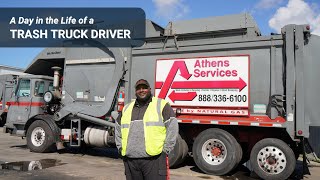


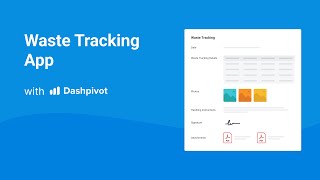

Helpful Resources
Articles and guides for deeper learning
Frequently Asked Questions
Quick answers to common questions
QWhat kind of education is needed for this role?
While specific requirements vary, a background in environmental science, data analysis, geography, or a related field is often beneficial. Many roles also value certifications in waste management or data analysis tools.
QIs this a field that's growing?
Yes, the field is growing due to increased environmental awareness, stricter regulations, and the adoption of new technologies for waste management and monitoring.
Explore All 1,500+ Careers
Browse our full career explorer or take an assessment to get personalised recommendations.