Acute Care Nurse
Also known as: RN (Critical Care), ER Nurse, ICU Nurse, Trauma Nurse
An Acute Care Nurse provides essential medical care to patients who are experiencing sudden, severe, or life-threatening illnesses or injuries. They work in fast-paced environments like emergency rooms, intensive care units (ICUs), and trauma centers, making critical decisions, administering treatments, and closely monitoring patients
10
Skills to Learn
3
Career Levels
5
Top Companies
2
Education Paths
Sneak Peek
Do you have a knack for quick thinking and a desire to make a real difference in critical situations? Imagine being on the front lines of healthcare, providing immediate care to patients facing serious health challenges.
What does an Acute Care Nurse do?
An Acute Care Nurse provides essential medical care to patients who are experiencing sudden, severe, or life-threatening illnesses or injuries.
- Salary in India
- ₹4 to ₹8 lakh a year
- Demand
- Growing
- Remote work
- Location-Bound
- Industry
- Healthcare
Is This Career For You?
Discover if your personality matches this career
Your Personality Fit (RIASEC)
You are compassionate and enjoy helping others, which is at the heart of nursing and patient interaction.
You have a curious mind and like to analyze situations, which is key for diagnosing patient conditions and understanding complex medical information.
You enjoy hands-on work and practical problem-solving, which is essential for direct patient care and using medical equipment.
You value organization and attention to detail, crucial for accurate record-keeping and following procedures.
You can take initiative and lead in critical situations, important for managing patient care and collaborating with teams.
While not the primary focus, creative thinking can be helpful in developing unique care approaches.
You'll Love This Career If...
Like what you see? Get full access.
Save this career, compare with others, and get your personalized career plan.
50,000+ students already signed up
A Day in the Life
What your typical workday looks like
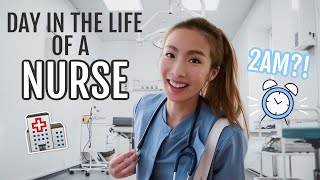
Your day as an Acute Care Nurse is a whirlwind of activity. You might start by reviewing patient charts and vital signs, then move on to administering medications, dressing wounds, and assisting with medical procedures. Throughout the day, you'll be constantly monitoring patients, responding to emergencies, and communicating with doctors, other nurses, and families. There's rarely a dull moment, as you navigate critical care situations, manage multiple patients, and adapt to rapidly changing conditions, all while providing compassionate care.
Myth vs Reality
Tap to reveal the truth behind common misconceptions
Skills You'll Need
Master these to excel in this career
Technical Skills
4Clinical Assessment
Ability to perform thorough patient assessments and monitor vital signs.
Critical Thinking
Ability to analyze complex patient data and make informed decisions.
Emergency Response
Knowledge and skills in handling medical emergencies.
Electronic Health Records (EHR)
Proficiency in using electronic health record systems.
Soft Skills
5Patient Communication
Skill in communicating effectively with patients and their families.
Team Collaboration
Ability to work effectively within a multidisciplinary team.
Time Management
Ability to prioritize tasks and manage time efficiently.
Stress Management
Skills in managing stress and maintaining composure in high-pressure situations.
Continuous Learning
Commitment to ongoing education and professional development.
Domain Skills
1Medical Knowledge
Comprehensive understanding of medical conditions and treatments.
Tools of the Trade
Software and tools you'll work with daily
Software
Electronic Health Records (EHR) systems
Digital versions of patient charts used to store and manage medical history, diagnoses, medications, and treatment plans.
Medication Administration Systems
Computerized systems that help ensure the right medication is given to the right patient at the right time and dose.
Hardware
Vital Signs Monitors
Devices used to measure and display essential body indicators like heart rate, blood pressure, temperature, and oxygen saturation.
Infusion Pumps
Machines that deliver fluids, medications, or nutrients to a patient's body in a controlled amount over time.
Ventilators
Machines that help patients who can't breathe on their own by moving air into and out of their lungs.
Defibrillators
Medical devices used to deliver an electric shock to the heart to restore a normal rhythm during life-threatening cardiac emergencies.
Want to build these skills?
Get a personalized learning roadmap and save careers that match your profile.
50,000+ students already signed up
Your Learning Path
Step-by-step guide to getting started
High School Foundations
Focus on science classes like Biology and Chemistry, and develop strong math and communication skills. Consider volunteer work in healthcare settings to gain exposure.
Associate's or Bachelor's Degree in Nursing (ADN/BSN)
Complete a nursing program accredited by the Accreditation Commission for Education in Nursing (ACEN) or equivalent. This includes classroom learning and hands-on clinical rotations in various healthcare settings.
Pass the NCLEX-RN Exam and Get Licensed
After graduating, you must pass the National Council Licensure Examination for Registered Nurses (NCLEX-RN) to become a licensed Registered Nurse (RN).
Gain Experience and Specialize in Acute Care
Work as an RN, often starting in general medical-surgical units, and seek opportunities or further certifications in acute care areas like Emergency Departments, Intensive Care Units (ICUs), or Critical Care Units (CCUs).
Career Progression
How your career will grow over time
Acute Care Nurse
EntryAs an Acute Care Nurse, you'll focus on providing critical care to patients with severe and unstable health conditions. This includes monitoring vital signs, administering medications, and performing emergency interventions. You'll work closely with a multidisciplinary team to ensure comprehensive patient care.
- Monitoring patient vital signs and detecting any changes
- Administering medications and treatments as prescribed
- Performing emergency procedures such as CPR or intubation
- Collaborating with doctors, therapists, and other healthcare professionals
Senior Acute Care Nurse
SeniorAs a Senior Acute Care Nurse, you'll take on more complex patient cases and may specialize in a particular area such as cardiac or trauma care. You'll also begin to mentor junior nurses and contribute to the development of nursing protocols.
- Managing complex patient cases and making critical decisions
- Mentoring and educating junior nurses
- Contributing to the development of nursing protocols and procedures
Acute Care Nurse Practitioner
LeadershipAs an Acute Care Nurse Practitioner, you'll have advanced clinical training and can diagnose, treat, and manage patient care independently. You'll also take on leadership roles within the nursing team and contribute to research and policy development.
- Diagnosing and treating patients independently
- Leading nursing teams and contributing to research and policy development
- Providing advanced patient care and managing complex cases
Education Paths
Bachelor's Degree
Bachelor's Degree
Nursing
Master's Degree
Master's Degree
Nursing
Top Hiring Companies
Salary & Future Growth
What you can earn and where the industry is headed
Salary Progression (INR)
Future Career OutlookCurrent Market: Growing
Acute care nurses work with patients who have serious, complex, and acute illnesses and injuries that require close monitoring and treatment. The demand for these nurses is growing as the population ages and the prevalence of chronic conditions increases. They play a critical role in hospitals, particularly in intensive care units.
The demand for acute care nurses is expected to remain strong due to ongoing healthcare needs, advancements in medical technology, and an aging population. The role may evolve with increased integration of technology like AI and telehealth, offering new ways to manage patient care. Opportunities for specialization and advanced practice roles are also likely to expand.
The long-term outlook for acute care nursing appears robust. As healthcare systems continue to adapt to demographic shifts and technological innovations, acute care nurses will remain essential. Their ability to provide critical care, combined with specialized skills and adaptability to new healthcare models, will ensure their continued importance in the healthcare sector.
Not sure if Acute Care Nurse is right for you?
Talk to a Stride counsellor for personalised guidance on whether this career fits your interests, strengths, and goals.
Watch & Learn
Curated videos to help you explore



Helpful Resources
Articles and guides for deeper learning
Frequently Asked Questions
Quick answers to common questions
QWhat is the difference between an acute care nurse and a critical care nurse?
Critical care nursing is a specialty within acute care nursing, focusing specifically on patients with severe, life-threatening conditions who require constant, intensive monitoring and intervention, often in ICUs. All critical care nurses work in acute care settings, but not all acute care nurses work in critical care.
QWhat are the typical work hours for an acute care nurse?
Acute care nurses often work in shifts to provide 24/7 care. This can include nights, weekends, and holidays. Some positions may require being on call.
QWhat kind of education is needed to become an acute care nurse?
Typically, you'll need at least an Associate's Degree in Nursing (ADN) or a Bachelor of Science in Nursing (BSN). Most employers, especially hospitals, prefer or require a BSN. After obtaining your degree, you must pass the NCLEX-RN exam to get licensed.
Explore All 1,500+ Careers
Browse our full career explorer or take an assessment to get personalised recommendations.