Building Engineer
Also known as: Civil Engineer, Structural Engineer, Construction Engineer
A Building Engineer is a professional who applies engineering principles to the design, construction, and maintenance of buildings and other structures. They ensure that buildings are safe, functional, and efficient, considering everything from the structural integrity and materials used to the heating, cooling, and electrical systems. Building engineers play a crucial role in shaping the built environment around us.
10
Skills to Learn
4
Career Levels
10
Top Companies
2
Education Paths
Sneak Peek
Ever wondered how those massive skyscrapers and sturdy bridges are built to last? Do you have a knack for design and a passion for seeing big projects come to life?
What does a Building Engineer do?
A Building Engineer is a professional who applies engineering principles to the design, construction, and maintenance of buildings and other structures. They ensure that buildings are safe, functional, and efficient, considering everything from the structural integrity and materials used to the heating, cooling, and electrical systems.
- Salary in India
- ₹3.5 to ₹12 lakh a year
- Demand
- Stable
- Remote work
- Hybrid
- Industry
- Construction
Is This Career For You?
Discover if your personality matches this career
Your Personality Fit (RIASEC)
You enjoy working with your hands and with tools, and are interested in practical, hands-on activities.
You enjoy observing, learning, and investigating complex problems, and prefer to work in well-defined situations.
You enjoy following procedures and working with data, and prefer to work in structured environments.
You enjoy leading, persuading, and taking risks, and prefer to work in goal-oriented environments.
You enjoy helping, training, or assisting others, and prefer to work in team-based environments.
You prefer activities that are unstructured and creative, and less emphasis on practical outcomes.
You'll Love This Career If...
Like what you see? Get full access.
Save this career, compare with others, and get your personalized career plan.
50,000+ students already signed up
A Day in the Life
What your typical workday looks like
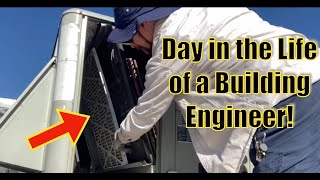
Your day might start with a site visit to check on ongoing construction, ensuring everything is going according to plan and safety standards are met. You could then spend time in the office reviewing architectural drawings, coordinating with architects and contractors, or using software to perform structural analysis and design calculations. Meetings with clients or project teams to discuss progress and address any challenges are also common.
Myth vs Reality
Tap to reveal the truth behind common misconceptions
Skills You'll Need
Master these to excel in this career
Technical Skills
2AutoCAD
A software application for computer-aided design.
Revit
A software application for building information modeling.
Soft Skills
7Communication
The ability to convey information effectively.
Problem-Solving
The ability to find solutions to complex problems.
Teamwork
The ability to work well with others.
Adaptability
The ability to adjust to new conditions.
Leadership
The ability to guide and direct others.
Ethical Perspective
The ability to make decisions based on ethical principles.
Continuous Learning
The ability to continuously acquire new knowledge and skills.
Domain Skills
1Project Management
The application of knowledge, skills, tools, and techniques to project activities to meet the project requirements.
Tools of the Trade
Software and tools you'll work with daily
Software
AutoCAD
Used for creating precise 2D and 3D drawings and blueprints.
Revit
A Building Information Modeling (BIM) software used for creating intelligent 3D models that contain data about a building's components.
SketchUp
A 3D modeling software often used for conceptual design and visualization.
STAAD Pro
Structural analysis and design software used to analyze the effects of loads on structures and ensure safety.
Platform
BIM (Building Information Modeling)
A process that involves creating and managing information on a construction project throughout its whole life cycle.
Hardware
Drawing Boards and Pencils
Traditional tools still used for freehand sketching and initial concept development.
Construction Site Equipment
Includes tools and machinery used on-site for measurement, inspection, and overseeing construction activities.
Want to build these skills?
Get a personalized learning roadmap and save careers that match your profile.
50,000+ students already signed up
Your Learning Path
Step-by-step guide to getting started
Understand the Basics
Start by learning fundamental math and physics concepts, as these are the building blocks for engineering principles. Explore introductory materials on how buildings are designed and constructed.
Learn Design Software
Familiarize yourself with essential design software like AutoCAD and Revit. Many online courses and tutorials are available to help you get started with creating basic 2D and 3D models.
Study Structural Principles
Dive into the core concepts of structural analysis. Learn how different materials behave under stress and how to ensure buildings are safe and stable. This might involve online courses or introductory textbooks.
Gain Practical Experience
Look for internship opportunities or shadow experienced building engineers. This hands-on experience is invaluable for understanding real-world applications, problem-solving on-site, and building a professional network.
Career Progression
How your career will grow over time
Junior Building Engineer
EntryAssists in the design, installation, and maintenance of building services.
- Supporting senior engineers in design tasks
- Conducting site visits and inspections
- Assisting in the preparation of technical drawings and plans
Building Engineer
Mid-LevelDesigns, installs, and maintains building services.
- Designing mechanical, electrical, and plumbing systems
- Using specialist software for CAD and BIM
- Managing project costs and ensuring compliance with regulations
Senior Building Engineer
SeniorLeads projects and oversees the work of junior engineers.
- Leading project teams and coordinating with stakeholders
- Developing maintenance and operational procedures
- Ensuring systems comply with current legislation and safety requirements
Building Engineering Manager
LeadershipManages multiple projects and teams, ensuring alignment with company goals.
- Overseeing multiple projects and teams
- Developing strategic plans for building services
- Ensuring projects are completed on time, within budget, and to high standards
Education Paths
Bachelor's Degree
B.Tech
Building Services Engineering
Master's Degree
M.Sc
Sustainable Energy Systems
Top Hiring Companies
Salary & Future Growth
What you can earn and where the industry is headed
Salary Progression (INR)
Future Career OutlookCurrent Market: Stable
Building engineers ensure that facilities are safe, efficient, and compliant with regulations. This involves overseeing the maintenance, operation, and repair of building systems like HVAC, electrical, plumbing, and structural components. Junior roles focus on routine tasks, while senior positions involve project management and strategic development.
The demand for building engineers is expected to remain stable, driven by the ongoing need to maintain and upgrade existing infrastructure and ensure compliance with evolving safety and environmental standards. The integration of new technologies in building management may also create new opportunities.
As buildings become more complex with smart technologies and sustainability requirements, the role of building engineers will evolve. Expertise in areas like energy efficiency, sustainable design, and integrated building management systems will be crucial. The demand is likely to remain steady, with a potential for growth in specialized areas.
Not sure if Building Engineer is right for you?
Talk to a Stride counsellor for personalised guidance on whether this career fits your interests, strengths, and goals.
Watch & Learn
Curated videos to help you explore


Helpful Resources
Articles and guides for deeper learning
Frequently Asked Questions
Quick answers to common questions
QWhat are the typical daily tasks of a building engineer?
Daily tasks include inspecting building systems, performing routine maintenance, responding to repair requests, monitoring building performance, and ensuring compliance with safety regulations.
QWhat kind of training or education is required for a building engineer?
A degree in mechanical engineering, civil engineering, or a related field is typically required. Certifications in building management or specific systems like HVAC can also be beneficial.
QAre there opportunities for career advancement in building engineering?
Yes, building engineers can advance from junior roles to senior or lead positions, overseeing larger projects, managing teams, and developing strategic building operations plans.
Explore All 1,500+ Careers
Browse our full career explorer or take an assessment to get personalised recommendations.