Chef
Also known as: Cook, Line Cook, Commis Chef, Sous Chef, Head Chef, Executive Chef
A Chef is a culinary artist and a kitchen manager rolled into one! They are responsible for planning menus, preparing a wide variety of dishes, and overseeing kitchen operations. Chefs experiment with ingredients, develop new recipes, and ensure the food served is of the highest quality and presentation. From managing inventory and ordering supplies to leading a team of cooks, a chef's role is dynamic and requires a blend of creativity, leadership, and precision.
10
Skills to Learn
4
Career Levels
6
Top Companies
4
Education Paths
Sneak Peek
Ever dreamed of creating delicious dishes that wow your friends and family? Do you have a passion for flavors and enjoy bringing culinary creations to life?
What does a Chef do?
A chef is a trained professional who cooks and prepares food, often in a professional kitchen setting like a restaurant. They can be involved in menu planning, managing kitchen staff, sourcing ingredients, and ensuring food quality and safety.
- Salary in India
- ₹2.5 to ₹10 lakh a year
- Demand
- Growing
- Remote work
- Location-Bound
- Industry
- Food & Beverage
Is This Career For You?
Discover if your personality matches this career
Your Personality Fit (RIASEC)
Expressing creativity through food, developing unique dishes, and visually appealing presentations.
Hands-on work involving precise techniques, using various tools and equipment, and preparing food.
Working collaboratively in a kitchen team and contributing to the hospitality experience for guests.
Managing a kitchen, potentially running a business, leading a team, and handling budgeting.
Understanding how ingredients interact, experimenting with flavors, and researching new culinary techniques.
Following health regulations, maintaining cleanliness, and adhering to established procedures in a kitchen setting.
You'll Love This Career If...
Like what you see? Get full access.
Save this career, compare with others, and get your personalized career plan.
50,000+ students already signed up
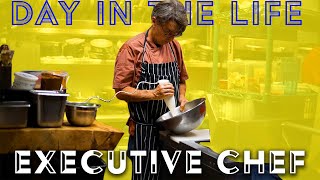
A Day in the Life
What your typical workday looks like
Your day starts early, checking fresh ingredient deliveries and planning the menu for the day. You'll then head into the kitchen, perhaps prepping sauces or marinating meats. Throughout service, you're a conductor, directing your team, ensuring dishes are cooked perfectly and plated beautifully. You might troubleshoot a sudden equipment issue, taste a new sauce, or strategize with the restaurant manager about specials. The evening rush is intense, but the satisfaction of a smoothly run service and happy customers makes it all worthwhile. Finally, you'll clean up, review inventory, and plan for tomorrow.
Myth vs Reality
Tap to reveal the truth behind common misconceptions
Skills You'll Need
Master these to excel in this career
Technical Skills
2Knowledge of Culinary Techniques
Proficiency in various cooking methods and culinary arts.
Food Safety and Hygiene
Understanding of food safety standards and hygiene practices.
Soft Skills
6Organization
Ability to manage multiple tasks and responsibilities efficiently.
Multitasking
Skill to handle various tasks simultaneously in a fast-paced environment.
Team Management
Skill to lead and manage kitchen staff effectively.
Time Management
Skill to manage time effectively to meet deadlines and prepare meals on time.
Customer Service
Ability to interact with customers and provide excellent service.
Adaptability
Flexibility to adapt to changing environments and customer needs.
Domain Skills
2Creativity
Ability to create unique and innovative dishes.
Menu Planning
Ability to design and plan menus that cater to customer preferences.
Tools of the Trade
Software and tools you'll work with daily
Hardware
Chef's Knife
A versatile knife used for chopping, slicing, and dicing ingredients.
Cutting Board
A surface for safely preparing ingredients.
Saucepans and Skillets
Cookware used for various cooking methods like sautéing, simmering, and frying.
Ovens and Stovetops
Essential equipment for baking, roasting, and cooking food.
Stand Mixer
A machine used for mixing, whisking, and kneading ingredients, especially in pastry work.
Software
Inventory Management Software
Used to track food supplies, manage orders, and control costs.
POS System
Point of Sale system used in restaurants to manage orders and payments, often integrated with kitchen operations.
Recipe Development Tools
Digital tools or databases for organizing recipes, calculating nutritional information, and managing ingredient lists.
Want to build these skills?
Get a personalized learning roadmap and save careers that match your profile.
50,000+ students already signed up
Your Learning Path
Step-by-step guide to getting started
Explore Culinary Basics
Start by learning fundamental cooking techniques at home. Experiment with different ingredients, practice basic knife skills like chopping and dicing, and try following simple recipes. Watch online tutorials and consider beginner cooking classes to understand the science behind cooking.
Formal Education or Apprenticeship
Enroll in a culinary school program (certificate, diploma, or degree) to gain structured training in various cuisines and kitchen management. Alternatively, seek an apprenticeship or internship in a professional kitchen to learn hands-on from experienced chefs.
Gain Kitchen Experience
Work in entry-level positions like a prep cook or line cook. This is where you'll apply your learned skills, understand kitchen hierarchy, practice time management, and learn to work effectively under pressure. Focus on mastering specific stations and contributing to the team.
Specialize and Lead
As you gain experience, consider specializing in areas like pastry, specific cuisines, or management. Seek opportunities to take on more responsibility, mentor junior cooks, and eventually move into leadership roles such as Sous Chef or Executive Chef.
Career Progression
How your career will grow over time
Commis Chef
EntryAssists senior chefs with basic food preparation tasks.
- Assisting with food preparation
- Maintaining cleanliness
- Learning kitchen techniques
Chef de Partie
Mid-LevelManages a specific section of the kitchen (e.g., grill station, pastry section).
- Supervising station tasks
- Ensuring food quality
- Training junior staff
Sous Chef
SeniorSecond-in-command; oversees kitchen operations and assists the executive chef.
- Managing kitchen staff
- Coordinating kitchen activities
- Ensuring menu consistency
Executive Chef
LeadershipLeads the kitchen team, designs menus, manages inventory, and ensures quality control.
- Designing menus
- Managing kitchen operations
- Leading kitchen team
Education Paths
No Formal Education
Post-Secondary Certificate/Diploma
Diploma
Culinary Arts
Bachelor's Degree
Bachelor's Degree
Hotel Management
Master's Degree
Master's Degree
Hotel Management
Top Hiring Companies
Salary & Future Growth
What you can earn and where the industry is headed
Salary Progression (INR)
Future Career OutlookCurrent Market: Growing
The food industry is experiencing significant growth, with a high demand for skilled culinary professionals. Chefs are needed for various roles, from traditional kitchens to innovative food startups, incorporating sustainability, food technology, and global flavors. Health and wellness trends are also increasing the demand for chefs knowledgeable in nutrition and specialized diets.
The culinary field is projected to continue its growth trajectory, driven by evolving consumer preferences for unique dining experiences, global cuisines, and health-conscious options. Advancements in food technology and a strong emphasis on sustainability will shape the industry, creating new opportunities and requiring chefs to adapt and innovate. Culinary tourism is also expected to remain a strong driver of demand.
The long-term outlook for chefs remains positive, supported by the fundamental human need for food and the ever-evolving nature of culinary arts. Chefs who embrace continuous learning, adapt to technological advancements, and specialize in emerging areas like plant-based cuisine, functional foods, or sustainable practices will likely find sustained demand. The industry's resilience and adaptability suggest a stable and evolving career path.
Not sure if Chef is right for you?
Talk to a Stride counsellor for personalised guidance on whether this career fits your interests, strengths, and goals.
Watch & Learn
Curated videos to help you explore





Helpful Resources
Articles and guides for deeper learning
Frequently Asked Questions
Quick answers to common questions
QWhat skills are most important for a chef?
Key skills include culinary techniques, creativity, leadership, communication, time management, problem-solving, and adaptability. Understanding food safety, sanitation, and inventory management is also crucial.
QWhat is the typical work environment for a chef?
Chefs typically work in kitchens, which can be fast-paced and high-pressure environments. They often work long hours, including evenings, weekends, and holidays, and may need to stand for extended periods.
Explore All 1,500+ Careers
Browse our full career explorer or take an assessment to get personalised recommendations.