Executive Chef
Also known as: Head Chef, Chef de Cuisine
An executive chef is the head of the kitchen, responsible for everything from creating menus and designing dishes to managing kitchen staff and ensuring food quality and safety. They are key players in the hotel
8
Skills to Learn
3
Career Levels
3
Top Companies
2
Education Paths
Sneak Peek
Ever dreamed of creating amazing dishes that wow everyone who eats them? Have you ever wondered who
What does an Executive Chef do?
An executive chef is the head of the kitchen, responsible for everything from creating menus and designing dishes to managing kitchen staff and ensuring food quality and safety.
- Salary in India
- ₹6 to ₹20 lakh a year
- Demand
- Growing
- Remote work
- Location-Bound
- Industry
- Food & Beverage
Is This Career For You?
Discover if your personality matches this career
Your Personality Fit (RIASEC)
A flair for creativity, self-expression, and aesthetic design.
A drive for leadership, influence, and persuasion.
A love for investigation, critical thinking, and problem-solving.
A preference for hands-on work, practical application, and tangible results.
A desire to help, teach, and provide service to others.
An inclination for orderliness, structure, and organized systems.
You'll Love This Career If...
Like what you see? Get full access.
Save this career, compare with others, and get your personalized career plan.
50,000+ students already signed up
A Day in the Life
What your typical workday looks like
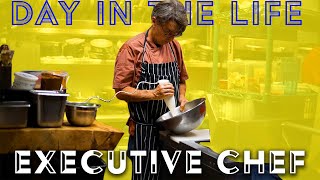
Imagine your day starting early, checking on fresh ingredient deliveries, then brainstorming new menu ideas with your team. You might spend time tasting dishes, ensuring they meet your high standards, and then shift to managing inventory and ordering supplies. Later, you could be collaborating with the hotel's management team on future culinary plans or even overseeing a special event, making sure every dish served is a masterpiece.
Myth vs Reality
Tap to reveal the truth behind common misconceptions
Skills You'll Need
Master these to excel in this career
Technical Skills
3Culinary Skills
Expertise in cooking techniques and flavor combinations.
Menu Planning
Ability to design and plan diverse menus.
Food Safety
Knowledge of hygiene and food safety standards.
Soft Skills
3Leadership
Ability to lead and manage kitchen staff effectively.
Creativity
Innovative thinking for menu development.
Time Management
Efficiently managing time during busy service periods.
Domain Skills
2Gastronomy
Understanding of food science and culinary arts.
Cost Control
Managing kitchen expenses and budgets.
Tools of the Trade
Software and tools you'll work with daily
Hardware
Professional Knives
A chef's essential tools for chopping, slicing, and dicing ingredients.
Commercial Ovens and Stovetops
Industrial-grade cooking equipment necessary for preparing large volumes of food.
Software
Point of Sale (POS) Systems
Used for order taking, billing, and tracking sales, often integrated with inventory management.
Inventory Management Software
Helps track stock levels, manage suppliers, and control food costs.
Menu Planning Software
Tools to help design menus, cost dishes, and manage nutritional information.
Platform
Kitchen Workflow Systems
Digital or physical systems to organize and track orders and tasks within the kitchen.
Want to build these skills?
Get a personalized learning roadmap and save careers that match your profile.
50,000+ students already signed up
Your Learning Path
Step-by-step guide to getting started
Master the Basics
Enroll in a culinary arts program to learn fundamental cooking techniques, food safety, and kitchen sanitation. This phase typically lasts 2-4 years and includes hands-on practice.
Gain Practical Experience
Complete internships and secure entry-level positions like a line cook. Focus on honing your skills, understanding kitchen operations, and learning to work efficiently under pressure. This can take 1-2 years.
Climb the Kitchen Ladder
Progress through roles like Station Chef and Sous Chef. This involves taking on more responsibility, developing leadership potential, and mastering kitchen management. Expect this to take another 4-6 years.
Become an Executive Chef
With significant experience and proven leadership, aim for the Executive Chef position. This involves overseeing the entire kitchen, managing staff, and driving culinary innovation. This final step builds on years of experience.
Career Progression
How your career will grow over time
Line Cook
EntryPrepares and cooks food under the supervision of senior chefs.
- Prepare ingredients
- Cook dishes
- Maintain cleanliness
Sous Chef
Mid-LevelAssists the Executive Chef in managing kitchen operations.
- Oversee kitchen staff
- Plan menus
- Ensure food quality
Executive Chef
LeadershipLeads the kitchen team and oversees all culinary operations.
- Develop menus
- Manage staff
- Ensure food safety
Education Paths
Post-Secondary Certificate/Diploma
Diploma in Culinary Arts
Culinary Arts
Bachelor's Degree
Bachelor of Culinary Arts
Culinary Arts
Top Hiring Companies
Salary & Future Growth
What you can earn and where the industry is headed
Salary Progression (INR)
Future Career OutlookCurrent Market: Growing
The demand for skilled culinary professionals is skyrocketing, with opportunities expanding in restaurants, food startups, and the culinary tourism sector. Chefs are needed to deliver exceptional food and culinary innovation, adapting to new business models like pop-up restaurants and food trucks.
The culinary world will continue to evolve with trends like sustainability, food technology, and health-conscious dining. Chefs will need to embrace innovation, blend expertise with technology, and cater to diverse dietary needs. The growth of culinary tourism will also create more opportunities.
The role of chefs will likely continue to grow in importance as food becomes an even more central part of travel and cultural experiences. Advancements in food technology and a greater focus on health and wellness will shape the future of culinary arts, requiring chefs to be adaptable and continuously learning.
Not sure if Executive Chef is right for you?
Talk to a Stride counsellor for personalised guidance on whether this career fits your interests, strengths, and goals.
Watch & Learn
Curated videos to help you explore



Helpful Resources
Articles and guides for deeper learning
Frequently Asked Questions
Quick answers to common questions
QWhat is the typical work environment for an Executive Chef?
An Executive Chef typically works in a fast-paced kitchen environment, often under high pressure and heat. They are on their feet for long hours, managing a team, and ensuring the quality and timely delivery of dishes.
QWhat are the biggest challenges an Executive Chef faces?
Challenges include long working hours, physical and mental stress, managing food costs, maintaining creativity, leading a team, and adapting to changing customer demands and culinary trends. They often sacrifice personal and family time due to demanding schedules.
QHow important is creativity in the role of an Executive Chef?
Creativity is crucial for an Executive Chef. They are expected to constantly innovate, develop new recipes, and elevate the dining experience with fresh ideas and concepts.
QWhat is the importance of managing food costs for an Executive Chef?
Managing food costs is a major responsibility. Executive Chefs must ensure profitability by using resources efficiently without compromising the quality of the dishes served.
Explore All 1,500+ Careers
Browse our full career explorer or take an assessment to get personalised recommendations.