Civil Services Officer
Also known as: IAS Officer, Public Servant, Bureaucrat, Administrator
A Civil Services Officer is a crucial public administrator responsible for implementing government policies, managing public administration, and ensuring the smooth functioning of the state. They act as the backbone of the Indian government, working at various levels from districts to the central government. Their role involves policy formulation, law enforcement, crisis management, revenue administration, and overseeing development projects. Civil servants are the permanent part of the executive, accountable to ministers, and serve as the vital link between the government and citizens, ensuring transparency, accountability, and efficiency in governance.
10
Skills to Learn
4
Career Levels
2
Top Companies
1
Education Paths
Sneak Peek
Ever wondered who makes the big decisions that shape our country, from managing disasters to planning national development? Imagine being at the forefront of public service, directly impacting millions of lives through policy and administration. Does the idea of leading and serving your nation excite you?
What does a Civil Services Officer do?
A Civil Services Officer is a crucial public administrator responsible for implementing government policies, managing public administration, and ensuring the smooth functioning of the state. They act as the backbone of the Indian government, working at various levels from districts to the central government.
- Salary in India
- ₹5 to ₹10 lakh a year
- Demand
- Stable
- Remote work
- Location-Bound
- Industry
- Public Administration
Is This Career For You?
Discover if your personality matches this career
Your Personality Fit (RIASEC)
You are driven by a desire to help others and improve society.
You enjoy analyzing complex problems and developing innovative solutions.
You are motivated by influencing others and leading initiatives.
You appreciate order, structure, and working with established procedures.
You like working with tools and tangible results.
You prefer creative expression and non-traditional approaches.
You'll Love This Career If...
Like what you see? Get full access.
Save this career, compare with others, and get your personalized career plan.
50,000+ students already signed up
A Day in the Life
What your typical workday looks like
A typical day for a Civil Services Officer is dynamic and demanding, often starting early with reviewing official reports and attending administrative meetings. They might spend their morning overseeing the implementation of a new welfare scheme in a district, ensuring resources reach the intended beneficiaries. Afternoons could involve dealing with a crisis situation, like managing disaster relief efforts or addressing public grievances. They often advise ministers on policy matters, represent the government in various forums, and engage with citizens to understand their needs. The work extends beyond office hours, involving continuous learning and strategic thinking to address complex administrative and developmental challenges.
Myth vs Reality
Tap to reveal the truth behind common misconceptions
Skills You'll Need
Master these to excel in this career
Technical Skills
3Policy Formulation
Creating and refining policies that guide government actions.
Public Administration
Managing and overseeing government operations and services.
Law Enforcement
Ensuring laws are upheld and maintaining public order.
Soft Skills
3Communication
Effectively conveying information and ideas to others.
Problem-Solving
Identifying issues and developing solutions.
Ethical Decision-Making
Making decisions based on moral principles and integrity.
Domain Skills
4Government Policies
Understanding and implementing government policies and regulations.
International Relations
Managing and understanding diplomatic and international affairs.
Taxation and Revenue Management
Handling tax collection, enforcement, and revenue management.
Environmental Protection
Managing and protecting natural resources and the environment.
Tools of the Trade
Software and tools you'll work with daily
Software
Policy Documents and Regulations
The foundational documents guiding government actions and administrative procedures.
Communication and Collaboration Tools
Platforms like email, internal messaging systems, and video conferencing used for effective coordination.
Analytical and Reporting Software
Tools used for data analysis, performance measurement, and creating reports for decision-making.
Platform
Government Portals and Databases
Online systems used for accessing information, managing records, and communicating within the government.
Want to build these skills?
Get a personalized learning roadmap and save careers that match your profile.
50,000+ students already signed up
Your Learning Path
Step-by-step guide to getting started
Build a Strong Foundation
Start by understanding the basics of Indian history, geography, polity, and economics through NCERT books (Classes 6-12). This is your bedrock for understanding the country's context.
Master the Syllabus and Current Affairs
Get familiar with the UPSC Civil Services Exam syllabus and start reading newspapers daily (like The Hindu or Indian Express). Focus on national and international events, government policies, and economic developments.
Develop Analytical and Writing Skills
Begin practicing answer writing for Mains examination subjects. Use standard reference books (like Laxmikanth for Polity) to deepen your understanding and learn to articulate your thoughts clearly and concisely.
Refine and Prepare for the Interview
Engage in mock interviews and stay updated on contemporary issues. Focus on developing your personality, decision-making skills, and the ability to present your views confidently and logically.
Career Progression
How your career will grow over time
Entry-Level Civil Servant
EntryNewly recruited civil servants begin their careers by assisting senior officers, learning the ropes of public administration, and handling basic administrative tasks.
- Assisting senior officers
- Handling basic administrative tasks
- Learning public administration processes
Assistant Civil Servant
Mid-LevelCivil servants at this level begin to take on more responsibility, managing projects, and contributing to policy formulation.
- Managing small projects
- Contributing to policy formulation
- Coordinating with other departments
Senior Civil Servant
SeniorAt this stage, civil servants hold significant responsibility, leading teams, and managing large-scale projects.
- Leading teams
- Managing large-scale projects
- Advising on policy matters
Director-Level Civil Servant
LeadershipDirector-level civil servants are responsible for strategic decision-making, overseeing entire departments, and representing the government in high-level meetings.
- Strategic decision-making
- Overseeing entire departments
- Representing the government in high-level meetings
Education Paths
Bachelor's Degree
Top Hiring Companies
Salary & Future Growth
What you can earn and where the industry is headed
Salary Progression (INR)
Future Career OutlookCurrent Market: Stable
Civil services offer a stable and secure career path with opportunities for diverse roles impacting public policy and administration. While the application process is rigorous, successful candidates find a long-term career with consistent demand.
The demand for civil services officers is expected to remain stable, with a continued need for skilled administrators and policy implementers. Opportunities for specialization and leadership roles will increase with experience.
Civil services will continue to be a cornerstone of public administration, adapting to new challenges and technological advancements. Experienced officers are crucial for guiding policy and managing complex governmental functions.
Not sure if Civil Services Officer is right for you?
Talk to a Stride counsellor for personalised guidance on whether this career fits your interests, strengths, and goals.
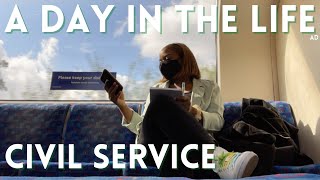
Watch & Learn
Curated videos to help you explore


Helpful Resources
Articles and guides for deeper learning
Frequently Asked Questions
Quick answers to common questions
QWhat are the typical working hours for a civil services officer?
Working hours can vary significantly depending on the specific role and department. While a standard 9-to-5 is common, many positions require long hours, weekend work, or being on-call, especially during crises or project deadlines.
QWhat kind of training is provided to civil services officers?
Upon selection, officers undergo rigorous foundational training at institutions like the Lal Bahadur Shastri National Academy of Administration (LBSNAA) for IAS officers. This training covers administration, law, economics, and ethics, followed by on-the-job training in their allocated cadre.
QCan civil services officers work in different countries?
While the primary role is within the country's civil administration, certain roles, such as in foreign services or international organizations, may involve postings or assignments abroad. However, the core civil service function is domestic.
QWhat are the opportunities for promotion in the civil services?
The civil services offer a structured career progression system. Promotions are typically based on a combination of years of service, performance, and departmental examinations, allowing officers to rise through various ranks and assume greater responsibilities over time.
Explore All 1,500+ Careers
Browse our full career explorer or take an assessment to get personalised recommendations.