CNC Operator
Also known as: CNC Machinist, CNC Programmer, CNC Technician
A CNC (Computer Numerical Control) operator is a skilled professional who operates and maintains sophisticated machinery that uses computer programming to automate the cutting, shaping, and drilling of materials like metal, plastic, and wood. They read blueprints, set up the machines, monitor the production process, and ensure the final products meet exact specifications and quality standards.
8
Skills to Learn
4
Career Levels
5
Top Companies
2
Education Paths
Sneak Peek
Do you enjoy working with technology and creating things with your own hands? Are you fascinated by how machines can precisely shape metal and other materials?
What does a CNC Operator do?
A CNC (Computer Numerical Control) operator is a skilled professional who operates and maintains sophisticated machinery that uses computer programming to automate the cutting, shaping, and drilling of materials like metal, plastic, and wood. They read blueprints, set up the machines, monitor the production process, and ensure the final products meet exact specifications and quality standards.
- Demand
- Growing
- Remote work
- Location-Bound
- Industry
- Manufacturing
Is This Career For You?
Discover if your personality matches this career
Your Personality Fit (RIASEC)
You enjoy working with your hands, operating machinery, and creating tangible products.
You are detail-oriented, organized, and follow procedures meticulously to ensure accuracy.
You like solving problems, analyzing information, and understanding how things work.
You might enjoy taking initiative in problem-solving and optimizing processes.
Collaboration with team members and clear communication are important, but direct helping professions are not central.
While not the primary focus, creativity can be applied in finding unique solutions to manufacturing challenges.
You'll Love This Career If...
Like what you see? Get full access.
Save this career, compare with others, and get your personalized career plan.
50,000+ students already signed up
A Day in the Life
What your typical workday looks like
A typical day for a CNC operator might involve arriving at the manufacturing floor, reviewing production schedules and blueprints for the day's work. You'd then prepare the CNC machine by loading the correct tools and materials, and inputting the program. Throughout the day, you'd closely monitor the machine's operation, making adjustments as needed to ensure precision and quality. You might also perform routine maintenance, inspect finished parts, and collaborate with other team members or engineers to resolve any technical issues.
Myth vs Reality
Tap to reveal the truth behind common misconceptions
Skills You'll Need
Master these to excel in this career
Technical Skills
2Knowledge of CNC Machines
Understanding the basic functions and operations of CNC machines.
Programming Skills
Ability to write and understand CNC programming languages.
Soft Skills
3Attention to Detail
Focusing on small details to ensure precision in operations.
Problem-Solving
Identifying and resolving issues that arise during operations.
Communication Skills
Effectively communicating with team members and supervisors.
Domain Skills
3Mathematics
Understanding of basic mathematical concepts for precision.
Mechanical Knowledge
Basic understanding of mechanical components and how they function.
Safety Procedures
Knowledge of safety protocols and procedures in a manufacturing environment.
Tools of the Trade
Software and tools you'll work with daily
Hardware
CNC Machines (Mills, Lathes)
The core machines that cut and shape materials based on computer instructions.
Measuring Tools (Calipers, Micrometers, CMMs)
Essential for verifying that parts are made to precise specifications and tolerances.
Inspection Tools
Tools used to check the accuracy and quality of manufactured parts.
Software
CAD/CAM Software
Used to design parts and create the toolpaths (G-code) that machines follow.
G-code & M-code
Programming languages that instruct the CNC machines on how to move and operate.
Blueprint Reading
The ability to interpret technical drawings that contain all the specifications for a part.
Want to build these skills?
Get a personalized learning roadmap and save careers that match your profile.
50,000+ students already signed up
Your Learning Path
Step-by-step guide to getting started
Master the Basics of Manufacturing
Start with fundamental concepts. Learn about different materials (like aluminum, steel, plastics), basic machining principles (like cutting, milling, turning), and the importance of precision in manufacturing.
Get Familiar with Blueprints and Measurements
Learn to read technical drawings and blueprints, understanding symbols, dimensions, and tolerances. Practice using measuring tools like calipers and micrometers to take accurate measurements.
Explore CNC Software and Programming
Understand the role of CAD/CAM software in designing parts and generating machine instructions (G-code). You can explore free versions or introductory courses online to get a feel for these tools.
Seek Hands-On Experience
Look for internships, apprenticeships, or entry-level positions in machine shops or manufacturing facilities. This practical experience is crucial for learning to operate machines, set them up, and troubleshoot issues.
Career Progression
How your career will grow over time
CNC Operator
EntryStarting out as a CNC operator involves learning the basics of operating CNC machines and performing routine tasks.
- Operate CNC machines according to specified instructions
- Monitor machine performance and make adjustments as needed
- Ensure safety protocols are followed
- Perform basic maintenance and troubleshooting
CNC Programmer Assistant
Mid-LevelWith experience, a CNC operator may advance to programming simple CNC tasks and overseeing machine setup.
- Program CNC machines for basic tasks
- Set up and calibrate machines for production
- Train new operators on machine operation
- Maintain detailed production logs
Senior CNC Programmer
SeniorAt a senior level, a CNC operator may take on more complex programming tasks and lead projects.
- Develop complex CNC programs
- Lead machine setup and calibration projects
- Mentor junior operators and programmers
- Optimize machine performance and efficiency
CNC Operations Manager
LeadershipIn a leadership role, a CNC operator may oversee entire production lines and manage a team of operators and programmers.
- Manage CNC programming and operation teams
- Oversee production line efficiency and quality
- Implement new technologies and processes
- Develop strategic plans for CNC operations
Education Paths
Post-Secondary Certificate/Diploma
Associate Degree
Top Hiring Companies
Salary & Future Growth
What you can earn and where the industry is headed
Salary Progression (INR)
Future Career OutlookCurrent Market: Growing
CNC operators are essential in modern manufacturing, working with machines that cut and shape materials with incredible precision. The demand for skilled operators remains strong as industries increasingly rely on automated processes for producing everything from tiny medical devices to large aerospace components.
The field of CNC operation is expected to continue growing, driven by advancements in automation, robotics, and the increasing demand for high-precision manufactured goods across various sectors like automotive, aerospace, and medical devices. As manufacturing becomes more sophisticated, the need for skilled CNC operators who can manage complex machinery and ensure quality output will likely increase.
Looking far into the future, the role of a CNC operator will likely evolve with further integration of artificial intelligence and advanced automation. While the core skills of operating and maintaining precision machinery will remain, operators may shift towards more supervisory and programming-focused roles, ensuring that automated systems perform optimally and adapt to new manufacturing challenges.
Not sure if CNC Operator is right for you?
Talk to a Stride counsellor for personalised guidance on whether this career fits your interests, strengths, and goals.
Watch & Learn
Curated videos to help you explore

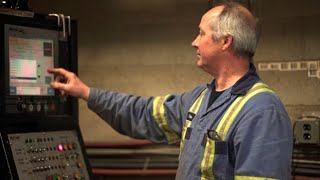


Helpful Resources
Articles and guides for deeper learning
Frequently Asked Questions
Quick answers to common questions
QWhat is a CNC operator?
A CNC operator is a skilled technician who operates and maintains Computer Numerical Control (CNC) machines. These machines use computer programming to precisely cut, shape, or engrave materials like metal, plastic, or wood.
QWhat are the typical work hours for a CNC operator?
Work hours can vary depending on the employer and industry. Some operators work standard 9-to-5 shifts, while others may work in rotating shifts, including nights or weekends, especially in facilities that operate 24/7.
QWhat kind of education or training is needed to become a CNC operator?
While some roles may be entry-level with on-the-job training, many employers prefer or require a high school diploma or GED, along with vocational training, an associate's degree in a related field, or relevant certifications in CNC machining.
QWhat are the biggest challenges in this career?
Challenges can include the need for constant learning due to evolving technology, maintaining focus for extended periods to ensure precision, and adapting to potentially physically demanding or noisy work environments.
Explore All 1,500+ Careers
Browse our full career explorer or take an assessment to get personalised recommendations.