Textile Engineer
Also known as: Textile Technologist, Textile Scientist
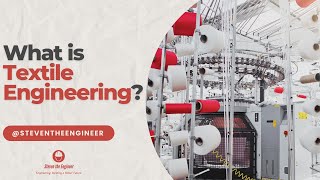
Textile engineers are innovators who work with the science and technology of textiles. They are involved in the design, development, and manufacturing of fibers, yarns, fabrics, and finished textile products. This can range from creating new high-performance materials for sportswear or medical applications to improving the sustainability and efficiency of textile production processes. They often work with machinery, understand chemical processes, and ensure the quality and performance of textile goods.
8
Skills to Learn
4
Career Levels
5
Top Companies
2
Education Paths
Sneak Peek
Have you ever wondered how the clothes you wear are made, or how fabrics are designed to be durable, comfortable, and stylish? Textile engineers are the brilliant minds behind the creation of all the textiles we use every day, from the clothes on your back to the materials in your car and home.
What does a Textile Engineer do?
Textile engineers work on designing, developing, and improving the processes and products of the textile industry. This can range from creating new fabrics with specific properties to optimizing manufacturing methods for efficiency and sustainability.
- Salary in India
- ₹4 to ₹12 lakh a year
- Demand
- Growing
- Remote work
- Hybrid
- Industry
- Textile
Is This Career For You?
Discover if your personality matches this career
Your Personality Fit (RIASEC)
Enjoys working with tools, machinery, and physical materials to create or repair things. Many textile engineers work directly with manufacturing processes and equipment.
Likes to observe, learn, investigate, and solve problems. Textile engineers often research new materials and processes.
Enjoys order, structure, and working with data. Textile engineers need to follow procedures and analyze data for quality control and process optimization.
Likes to lead, persuade, and take risks. Some roles may involve project management, but it's not the main focus for all.
Enjoys creative self-expression and working with aesthetics. While creativity is valued, the core of textile engineering is more technical.
Enjoys helping, teaching, or providing service to others. While collaboration is involved, direct social service isn't a primary focus.
You'll Love This Career If...
Like what you see? Get full access.
Save this career, compare with others, and get your personalized career plan.
50,000+ students already signed up
A Day in the Life
What your typical workday looks like
A typical day for a textile engineer might involve working in a lab, testing new materials or production methods, collaborating with designers or other engineers on new product development, troubleshooting issues on the manufacturing floor, or analyzing data to improve processes. You might be involved in anything from tweaking the way a fabric is dyed to researching the properties of a new blend of fibers for a specific application.
Myth vs Reality
Tap to reveal the truth behind common misconceptions
Skills You'll Need
Master these to excel in this career
Technical Skills
3CAD Software
Proficiency in using Computer-Aided Design software for textile design.
Textile Testing Equipment
Skill in operating and maintaining textile testing equipment.
Quality Control
Ability to implement and manage quality control processes in textile production.
Soft Skills
3Project Management
Skills in managing textile engineering projects from conception to completion.
Communication
Effective communication skills for collaborating with team members and stakeholders.
Problem-Solving
Ability to identify and solve problems in textile engineering processes.
Domain Skills
2Material Science
Knowledge of the properties and behavior of textile materials.
Sustainability Practices
Understanding of sustainable practices in textile manufacturing.
Tools of the Trade
Software and tools you'll work with daily
Software
CAD Software (e.g., Adobe Illustrator, Textile CAD)
Used for designing patterns, creating technical drawings, and visualizing textile designs.
Simulation Software
Tools used to simulate fabric behavior, predict performance, and optimize manufacturing processes.
Hardware
Material Testing Equipment
Machines used to test fabric properties like strength, durability, colorfastness, and texture.
Manufacturing Machinery
Includes looms, knitting machines, dyeing machines, and finishing equipment used in textile production.
Platform
Quality Control Systems
Systems and software used to monitor and ensure the quality of textile products throughout the production process.
Want to build these skills?
Get a personalized learning roadmap and save careers that match your profile.
50,000+ students already signed up
Your Learning Path
Step-by-step guide to getting started
Build a Strong Foundation in Science and Math
Focus on subjects like physics, chemistry, and advanced math in high school. These will give you the fundamental understanding needed for material science and engineering principles.
Explore Textile Basics
Learn about different types of fibers (natural and synthetic), basic fabric structures (weaving, knitting), and common textile manufacturing processes. You can start with online resources or introductory books.
Pursue a Relevant Degree
Obtain a Bachelor's degree in Textile Engineering, Materials Science, or a related engineering field. This will provide in-depth knowledge of textile technology, chemistry, and engineering.
Gain Hands-On Experience
Seek internships in textile manufacturing companies, research labs, or design studios. This practical experience will expose you to real-world challenges and industry practices.
Career Progression
How your career will grow over time
Junior Textile Engineer
EntryAssists in the design and development of textile products, under the supervision of senior engineers.
- Assist in textile product development
- Conduct basic tests on textile materials
- Help prepare technical reports
- Learn industry standards and regulations
Textile Engineer
Mid-LevelDesigns and develops textile products, ensuring they meet quality and performance standards.
- Design textile products and processes
- Conduct tests on textile materials
- Prepare technical reports
- Ensure compliance with industry standards
Senior Textile Engineer
SeniorLeads textile engineering projects, oversees production processes, and ensures product quality.
- Lead textile engineering projects
- Oversee production processes
- Ensure product quality and performance
- Mentor junior engineers
Chief Textile Engineer
LeadershipDirects the overall textile engineering strategy, manages teams, and drives innovation in textile products.
- Direct textile engineering strategy
- Manage engineering teams
- Drive innovation in textile products
- Ensure alignment with company goals
Education Paths
Bachelor's Degree
B.Tech in Textile Technology
Textile Technology
Master's Degree
M.Tech in Textile Technology
Textile Technology
Top Hiring Companies
Salary & Future Growth
What you can earn and where the industry is headed
Salary Progression (INR)
Future Career OutlookCurrent Market: Growing
The current job market for textile engineers is experiencing steady demand, particularly in areas focused on technical textiles and sustainable practices. As the industry evolves with new technologies and a growing emphasis on eco-friendly materials, there's a consistent need for skilled professionals who can innovate and optimize production processes.
The medium to long-term outlook for textile engineers is positive, driven by the increasing global demand for advanced textiles in various sectors like automotive, healthcare, and aerospace. The push towards sustainable manufacturing and the development of smart textiles are expected to create new opportunities and sustain job growth.
In the very long term, textile engineers will likely play a crucial role in developing next-generation materials and circular economy solutions within the textile industry. Automation, digitalization, and a focus on bio-based materials will shape the future, requiring engineers to be adaptable and forward-thinking to address global challenges.
Not sure if Textile Engineer is right for you?
Talk to a Stride counsellor for personalised guidance on whether this career fits your interests, strengths, and goals.
Watch & Learn
Curated videos to help you explore



Helpful Resources
Articles and guides for deeper learning
Frequently Asked Questions
Quick answers to common questions
QDo I need to be good at math and science to be a textile engineer?
Yes, a strong foundation in science (like chemistry and physics) and math is very important for understanding material properties, chemical processes, and engineering principles.
QWhat are 'technical textiles'?
Technical textiles are fabrics engineered for specific performance in specialized applications, such as protective clothing for firefighters, materials for airplane interiors, or medical implants. They go beyond traditional clothing uses.
QIs the textile industry environmentally friendly?
The textile industry is making significant efforts towards sustainability by developing eco-friendly materials, reducing water and energy consumption, and improving waste management. Textile engineers are key to driving these positive changes.
Explore All 1,500+ Careers
Browse our full career explorer or take an assessment to get personalised recommendations.