Data Scientist
Also known as: Data Science, Data Analyst, Machine Learning Engineer
A Data Scientist is like a detective for data, uncovering hidden trends and insights to help organizations make smarter decisions. They use a mix of math, statistics, and computer science to collect, clean, analyze, and interpret large amounts of data. This helps businesses understand their customers better, improve their products, and solve complex problems.
10
Skills to Learn
5
Career Levels
14
Top Companies
2
Education Paths
Sneak Peek
Do you love solving puzzles and uncovering hidden patterns in information? Have you ever wondered how your favorite apps or websites seem to know exactly what you want?
What does a Data Scientist do?
A Data Scientist is like a detective for data, uncovering hidden trends and insights to help organizations make smarter decisions. They use a mix of math, statistics, and computer science to collect, clean, analyze, and interpret large amounts of data. This helps businesses understand their customers better, improve their products, and solve complex problems.
- Salary in India
- ₹8 to ₹42.5 lakh a year
- Demand
- Growing
- Remote work
- Remote-Friendly
- Industry
- Information Technology
Is This Career For You?
Discover if your personality matches this career
Your Personality Fit (RIASEC)
You enjoy exploring complex problems and finding answers through research and analysis.
You appreciate structure and accuracy, enjoying organizing and managing data meticulously.
You have a knack for creative problem-solving and presenting information in engaging ways.
You can collaborate with others and explain complex findings clearly.
You are motivated by achieving goals and influencing outcomes through data-driven insights.
While not the primary focus, you can apply technical skills to practical data challenges.
You'll Love This Career If...
Like what you see? Get full access.
Save this career, compare with others, and get your personalized career plan.
50,000+ students already signed up
A Day in the Life
What your typical workday looks like
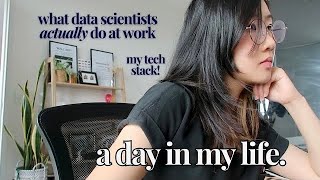
Imagine starting your day by looking at a massive amount of information – maybe customer reviews, sales numbers, or website activity. You’ll spend time cleaning this data, making sure it’s accurate and ready for analysis. Then, you might build a model using programming to predict what customers might buy next or why a certain product is popular. You’ll also create charts and reports to explain your findings to people who aren’t data experts, helping them understand the story the data is telling and make important business decisions.
Myth vs Reality
Tap to reveal the truth behind common misconceptions
Skills You'll Need
Master these to excel in this career
Technical Skills
6Python
Proficiency in Python for data manipulation and analysis.
SQL
Experience with SQL for handling and querying data.
Machine Learning
Knowledge of machine learning algorithms and frameworks.
Data Visualization
Ability to present data using tools like Matplotlib or Tableau.
Big Data Tools
Experience with tools like Hadoop or Spark to manage large datasets.
Statistics
Understanding of statistical tests and probability for data analysis.
Soft Skills
4Problem-Solving
Ability to design data-driven solutions to business problems.
Communication
Explaining complex data findings to non-technical stakeholders.
Business Acumen
Understanding business contexts to align data insights with objectives.
Collaboration
Working effectively with cross-functional teams.
Tools of the Trade
Software and tools you'll work with daily
Software
Python
A versatile programming language used for data analysis, machine learning, and more.
R
Another popular programming language for statistical computing and graphics.
SQL
Used to manage and query databases, essential for accessing data.
Pandas
A Python library for data manipulation and analysis.
Framework
Scikit-learn
A Python library for building machine learning models.
TensorFlow
An open-source library for machine learning, especially deep learning.
PyTorch
Another popular open-source library for machine learning and deep learning.
Platform
Apache Spark
A powerful tool for processing large datasets.
AWS
Cloud computing services used for data storage, processing, and deployment.
Google Cloud
Cloud computing services offering similar capabilities to AWS.
Want to build these skills?
Get a personalized learning roadmap and save careers that match your profile.
50,000+ students already signed up
Your Learning Path
Step-by-step guide to getting started
Build Foundational Knowledge
Start by learning the basics of programming languages like Python and SQL. Get comfortable with fundamental concepts like data wrangling (cleaning and organizing data) and basic statistics.
Dive into Machine Learning and Math
Explore essential math concepts like linear algebra and probability. Begin learning about machine learning algorithms, both supervised and unsupervised, and try using libraries like scikit-learn.
Master Databases and Big Data Tools
Deepen your SQL skills for querying databases. Understand how to work with cloud platforms like AWS or Google Cloud and get familiar with big data tools such as Apache Spark.
Build Projects and a Portfolio
Apply everything you've learned by working on real-world datasets. Create projects like predictive models or interactive dashboards to showcase your skills to potential employers.
Career Progression
How your career will grow over time
Junior Data Scientist
EntryAssisting senior data scientists with data collection, analysis, and model building.
- Assisting in data collection
- Helping with data analysis
- Supporting model building
Data Scientist
Mid-LevelTaking ownership of end-to-end data science projects.
- Defining problems
- Collecting and analyzing data
- Building models
- Communicating results
Senior Data Scientist
SeniorLeading data science teams and driving strategic data initiatives.
- Leading teams
- Mentoring junior members
- Driving strategic initiatives
Data Science Manager/Director
LeadershipManaging data science teams and setting strategic goals.
- Managing teams
- Setting strategic goals
- Ensuring successful execution of projects
Chief Data Officer (CDO)
LeadershipOverseeing the organization’s overall data strategy.
- Overseeing data governance
- Ensuring data quality
- Promoting the use of data to drive business value
Education Paths
Bachelor's Degree
B.Tech
Computer Science
Master's Degree
M.Sc
Data Science
Top Hiring Companies
Salary & Future Growth
What you can earn and where the industry is headed
Salary Progression (INR)
Future Career OutlookCurrent Market: Growing
The current job market for Data Scientists is very promising, with high demand across various industries. Professionals need to stay updated with the latest trends and skills to secure their career opportunities.
The demand for Data Scientists is projected to remain strong in the medium to long term, driven by the increasing integration of AI and machine learning into business operations. Continuous learning and adaptation to new technologies will be crucial.
The field of Data Science is expected to continue its growth trajectory in the very long term, evolving with advancements in AI, big data technologies, and cloud computing. Roles may become more specialized, requiring deep expertise in niche areas.
Not sure if Data Scientist is right for you?
Talk to a Stride counsellor for personalised guidance on whether this career fits your interests, strengths, and goals.
Watch & Learn
Curated videos to help you explore



Helpful Resources
Articles and guides for deeper learning
Frequently Asked Questions
Quick answers to common questions
QWhat skills are most important for a Data Scientist?
Key skills include Python, SQL, machine learning, data visualization, and strong communication abilities. Cloud computing skills are also increasingly essential.
QWhat is the typical educational background for a Data Scientist?
While many have degrees in Computer Science, Statistics, Mathematics, or Engineering, there's a growing acceptance of varied backgrounds if candidates possess relevant practical skills and experience, often gained through online courses and bootcamps.
QHow much does a Data Scientist make?
Salaries vary significantly by experience, location, and specific role. In the US, for example, data scientists can earn between $90,000 and $160,000 per annum, with potential for higher earnings in specialized roles or tech hubs. Globally, median salaries often range from $60,000 to over $150,000.
QWhat is the difference between a Data Scientist and a Data Analyst?
Data Analysts focus more on interpreting existing data to find trends and insights, often using tools like Excel and Power BI. Data Scientists go a step further by building predictive models using machine learning and programming languages like Python to solve complex business problems and drive strategic decisions.
Explore All 1,500+ Careers
Browse our full career explorer or take an assessment to get personalised recommendations.